
Loading...
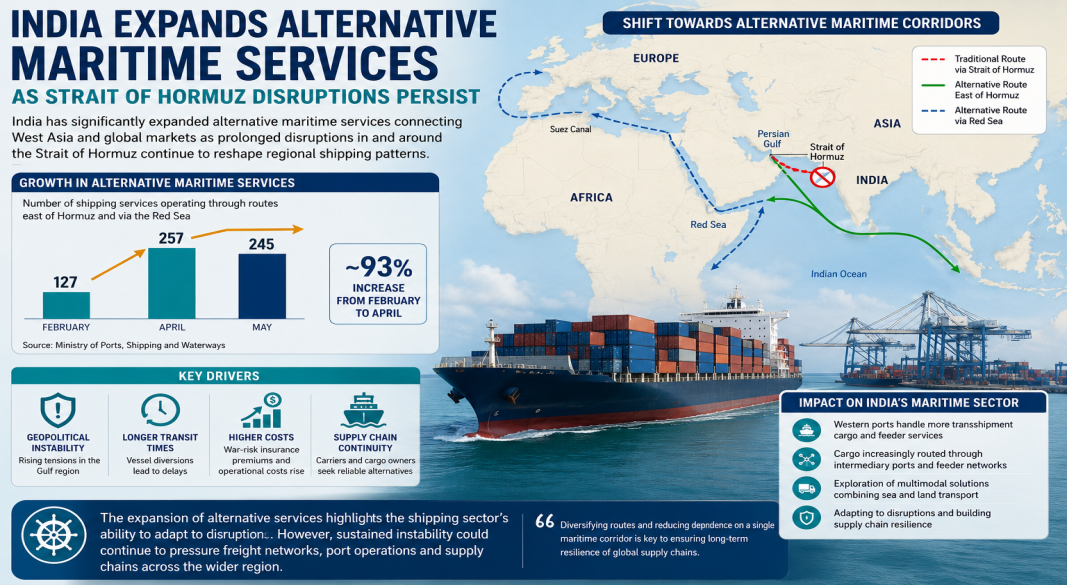
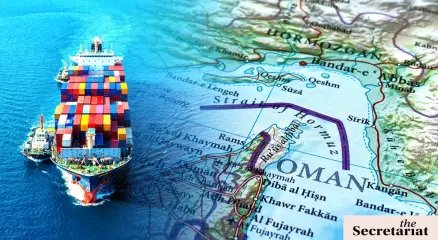
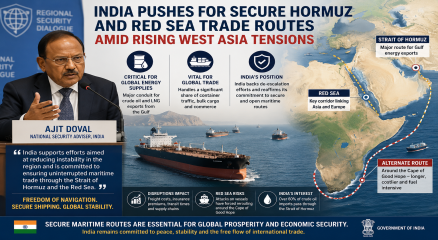
India has significantly expanded alternative maritime services connecting West Asia and global markets as prolonged disruptions in and around the Strait of Hormuz continue to reshape regional shipping patterns.
According to data from the Ministry of Ports, Shipping and Waterways, the number of shipping services operating through routes east of Hormuz and via the Red Sea increased from 127 services in February to 257 in April before moderating slightly to 245 in May. The increase reflects a broad shift by carriers and cargo owners seeking to maintain supply chain continuity amid ongoing geopolitical instability in the Gulf region.
The rerouting trend highlights the growing reliance on alternative maritime corridors as traditional Gulf shipping routes face operational uncertainty. Logistics providers, shipping lines and exporters have been adjusting network plans to avoid delays, higher risk exposure and rising insurance costs associated with transits through the affected area.
Government officials said the expansion of alternative services is helping sustain trade flows between India and key markets in West Asia despite continued disruption to one of the world's most strategically important maritime chokepoints. The Strait of Hormuz normally handles a substantial share of global energy and container traffic, making any restriction or reduction in vessel movements a major concern for international supply chains.
The shift is also driving broader changes across India's maritime sector. Ports on the country's western coast have increasingly handled transshipment cargo and feeder services as shipping lines redesign networks to connect with alternative regional hubs. Industry stakeholders report that cargo previously moving directly through Gulf gateways is increasingly being routed through intermediary ports and feeder networks to reach final destinations.
Shipping companies have faced mounting operational challenges since tensions escalated in the region. Vessel diversions, longer transit times and elevated war-risk insurance premiums have increased transportation costs and complicated scheduling for exporters and importers. Some operators have also explored multimodal alternatives combining sea and land transport to maintain cargo flows into Gulf markets.
Industry executives say the expansion of alternative services demonstrates the shipping sector's ability to adapt to geopolitical disruptions. However, they caution that sustained instability could continue to pressure freight networks, port operations and supply chains across the wider region.
The development underscores how regional conflicts are accelerating structural changes in shipping networks, with carriers increasingly diversifying routes and reducing dependence on a single maritime corridor to ensure supply chain resilience.
Follow CARGOCONNECT for more such updates.
India has significantly expanded alternative maritime services connecting West Asia and global markets as prolonged disruptions in and around the Strait of Hormuz continue to reshape regional shipping patterns. According to data from the Ministry of Ports, Shipping and Waterways, the number of shipping services operating through routes east of Hormuz and via the Red Sea increased from 127 services in February to 257 in April before moderating slightly to 245 in May. The increase reflects a broad shift by carriers and cargo owners seeking to maintain supply chain continuity amid ongoing geopolitical instability in the Gulf region. The rerouting trend highlights the growing reliance on alternative maritime corridors as traditional Gulf shipping routes face operational uncertainty. Logistics providers, shipping lines and exporters have been adjusting network plans to avoid delays, higher risk exposure and rising insurance costs associated with transits through the affected area. Government officials said the expansion of alternative services is helping sustain trade flows between India and key markets in West Asia despite continued disruption to one of the world's most strategically important maritime chokepoints. The Strait of Hormuz normally handles a substantial share of global energy and container traffic, making any restriction or reduction in vessel movements a major concern for international supply chains. The shift is also driving broader changes across India's maritime sector. Ports on the country's western coast have increasingly handled transshipment cargo and feeder services as shipping lines redesign networks to connect with alternative regional hubs. Industry stakeholders report that cargo previously moving directly through Gulf gateways is increasingly being routed through intermediary ports and feeder networks to reach final destinations. Shipping companies have faced mounting operational challenges since tensions escalated in the region. Vessel diversions, longer transit times and elevated war-risk insurance premiums have increased transportation costs and complicated scheduling for exporters and importers. Some operators have also explored multimodal alternatives combining sea and land transport to maintain cargo flows into Gulf markets. Industry executives say the expansion of alternative services demonstrates the shipping sector's ability to adapt to geopolitical disruptions. However, they caution that sustained instability could continue to pressure freight networks, port operations and supply chains across the wider region. The development underscores how regional conflicts are accelerating structural changes in shipping networks, with carriers increasingly diversifying routes and reducing dependence on a single maritime corridor to ensure supply chain resilience. Follow CARGOCONNECT for more such updates.

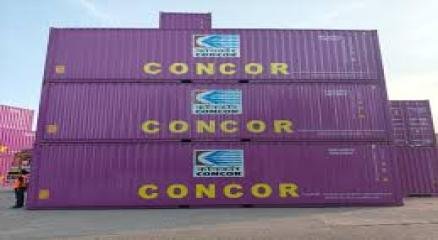
A multimodal export movement carrying nearly 2,700 tonnes of rice from Andhra Pradesh to China has restarted operations at Container Corporation of India’s (CONCOR) Inland Container Depot (ICD) in Tondiarpet, marking the return of BCN wagon-based export handling at the facility after almost five years. The consignment originated from the Samalkot and Tanuku regions of Andhra Pradesh and was transported approximately 575 kilometres by rail in 42 BCN wagons to Chennai. At the Tondiarpet ICD, the cargo was directly transferred into 105 TEU containers before being moved by road to Chennai Port for onward shipment to China. The operation combines rail, road and sea transport within a single logistics chain, reducing cargo handling stages and improving cargo movement between inland production centres and export gateways. According to logistics officials, the direct wagon-to-container stuffing process is expected to lower transit delays and improve supply chain efficiency for agricultural exports. The movement also demonstrates the growing use of integrated multimodal transport solutions for bulk commodities moving from southern India to overseas markets. The resumption of export cargo handling through BCN wagons at Tondiarpet is significant for exporters seeking alternatives to conventional road-based transport. Industry stakeholders say rail-linked containerisation can help improve cargo visibility, optimise transportation costs and support larger export volumes from hinterland regions. The development further strengthens the role of Tondiarpet ICD as a logistics node connected to Chennai Port, facilitating the movement of export cargo through coordinated rail and container infrastructure. With agricultural exports increasingly dependent on reliable inland connectivity, the latest shipment highlights the continued push towards rail-led freight movement and multimodal logistics integration across India's export supply chain. Follow CARGOCONNECT for more such updates.

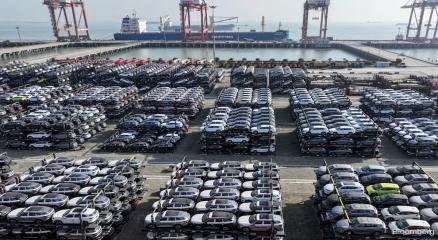
China’s electric vehicle exports rose sharply in April, underscoring the country’s growing dominance in global automotive supply chains despite mounting trade barriers in Western markets. Official trade data compiled by Bloomberg showed overseas shipments of Chinese-made EVs climbed 40 percent year-on-year during the month, driven by strong demand across Asia, Europe, and Latin America. Asia remained the largest destination for Chinese electric vehicles, importing more than 110,000 units in April. Europe ranked second with nearly 84,000 vehicles, followed by Latin America at close to 53,000 units. Oceania and North America accounted for smaller volumes, reflecting tariff pressures and policy restrictions in some Western economies. Brazil recorded the fastest growth among China’s top export markets, with imports surging more than 220 percent from a year earlier. Demand also expanded significantly in South Korea, Germany, and Australia, where imports reportedly increased between 100 percent and 190 percent. The latest figures highlight how Chinese automakers are increasingly redirecting supply toward emerging and price-sensitive markets while continuing to gain share in established automotive economies. Industry analysts say competitive pricing, large-scale battery manufacturing capacity, and faster production cycles have strengthened China’s position in the global EV trade. The export growth comes even as several governments intensify scrutiny of Chinese electric vehicles over concerns related to industrial subsidies and manufacturing overcapacity. European policymakers have repeatedly warned that low-cost Chinese EV imports could pressure domestic automakers and reshape regional production networks. For global logistics operators, the rise in outbound EV shipments from China is also reshaping vehicle transport flows and port activity. Higher export volumes have increased demand for roll-on/roll-off vessels, battery-compliant storage infrastructure, and specialised automotive handling capacity across major shipping corridors linking China with Europe, Southeast Asia, and Latin America. China’s broader automotive exports have continued to expand alongside growth in renewable energy-related manufacturing. The country has emerged as the world’s largest EV producer, supported by extensive domestic battery supply chains and strong state-backed industrial investment. While overseas demand remains strong, competition within China’s domestic EV market has intensified, placing pressure on profit margins for several manufacturers. Analysts tracking the sector say export markets are becoming increasingly important for Chinese automakers seeking to sustain production growth amid fierce pricing competition at home. Follow CARGOCONNECT for more such updates.