
Loading...
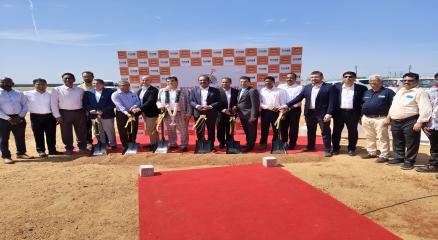
Pragati Group plans to invest Rs 2,500 crore in developing an industrial park in Guntur district, Andhra Pradesh, following the signing of a memorandum of understanding (MoU) at the Confederation of Indian Industry (CII) Regional Conference in Amaravati on October 17, 2026. The proposed project is expected to support industrial infrastructure development in the region and could attract manufacturing units, logistics operators and ancillary businesses as the project moves towards implementation. The investment also reflects growing interest in Andhra Pradesh as a destination for industrial development, supported by its transport networks, regional growth centres and potential to expand manufacturing and supply-chain activities. Guntur Positioned for Industrial Expansion Guntur forms part of the wider Vijayawada–Amaravati–Guntur growth region, which offers access to road and rail connectivity, agricultural production centres and emerging industrial clusters. The proposed industrial park could create opportunities for businesses seeking space for manufacturing, storage, distribution and other industrial operations. Depending on the final development plan, potential activities could include light manufacturing, packaging, warehousing and cold-chain facilities. However, the specific industries to be accommodated at the site have not yet been confirmed. Potential to Attract Manufacturing and Logistics Investments Industrial parks can support regional economic growth by providing infrastructure and facilities for businesses to establish or expand operations. If implemented as planned, Pragati Group’s proposed development could encourage downstream investment, support local suppliers and generate employment opportunities during construction and subsequent operations. The project could also create demand for logistics, transportation, warehousing and other business services, helping strengthen industrial supply chains in the Guntur region. The scale of these benefits will depend on the project's final configuration, the companies that establish operations at the park and the pace of infrastructure development. Project Details Awaited While the proposed investment has been announced through an MoU, several key details remain undisclosed. These include the exact project location within Guntur district, total land area, development schedule, expected completion date and the sectors targeted for investment. Information regarding anchor tenants, infrastructure specifications, land allocation and regulatory approvals is also awaited. Further clarity on these aspects will help establish the project's implementation timeline and its expected contribution to Andhra Pradesh's industrial capacity. Andhra Pradesh Seeks to Strengthen Its Industrial Base The proposed industrial park could add to the industrial development potential of the Vijayawada–Amaravati–Guntur region by creating additional capacity for manufacturing and logistics activities. The next stage will depend on progress towards land identification, statutory approvals, infrastructure planning and the commencement of construction. If executed successfully, the Rs 2,500 crore project could support industrial investment and strengthen Guntur's role in Andhra Pradesh's wider manufacturing and logistics ecosystem. Follow CARGOCONNECT for more such updates.
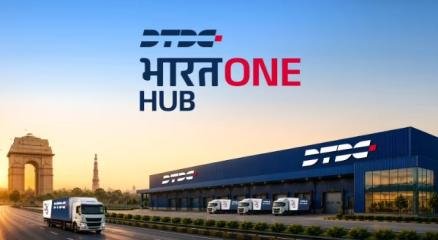
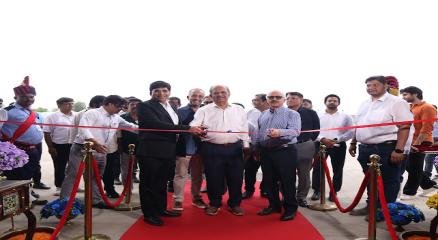
DTDC Express Ltd. has expanded its logistics infrastructure with the launch of the Bharat One Hub at Rathiwas in Haryana, marking a significant milestone in the company's long-term strategy to enhance freight movement and strengthen supply chain capabilities across North India. The new facility has been developed as part of Vision 2030 roadmap, which focuses on building a technology-driven, scalable logistics network capable of supporting India's rapidly evolving e-commerce landscape. Spread across approximately 1.5 lakh square feet, the Bharat One Hub has a peak processing capacity of 2,500 tonnes per day, making it one of DTDC's largest logistics facilities in the region. Strategically located to cater to Delhi-NCR, Haryana, Punjab, Rajasthan and neighbouring markets, the hub is expected to significantly improve freight consolidation, mid-mile connectivity and shipment processing efficiency. The facility has been equipped with advanced automation technologies, including high-speed sorter systems, multiple conveyor belts, hydraulic dock infrastructure and optimised dock utilisation capabilities. These features are designed to reduce turnaround times, minimise transit bottlenecks and enhance operational productivity while supporting increasing shipment volumes. The hub is currently operated by a workforce of more than 150 trained professionals. The Bharat One Hub is expected to serve as a critical transit centre within its nationwide network, enabling faster movement of goods across key freight corridors while improving route optimisation and network resilience during seasonal demand peaks. The investment reflects the company's commitment to creating future-ready logistics infrastructure that can efficiently serve businesses of all sizes. Commenting on the development, DTDC CEO Abhishek Chakraborty said India's next phase of economic and commercial growth will increasingly rely on robust logistics infrastructure, particularly as businesses expand into Tier II and Tier III cities. He noted that investments in modern, scalable logistics assets are essential to improving service reliability, operational agility and customer reach. The company currently operates over 500 operating facilities, maintains more than 16,500 customer access points, and serves nearly 96% of India's population. With the addition of the Haryana hub, the e-commerce service provider is expected to further strengthen its capacity to deliver faster, more efficient and reliable logistics services across the country while supporting the growing demands of India's manufacturing, retail and online commerce sectors. 𝐒𝐭𝐚𝐲 𝐓𝐮𝐧𝐞𝐝 𝐭𝐨 CARGOCONNECT 𝐟𝐨𝐫 𝐥𝐚𝐭𝐞𝐬𝐭 𝐮𝐩𝐝𝐚𝐭𝐞𝐬!
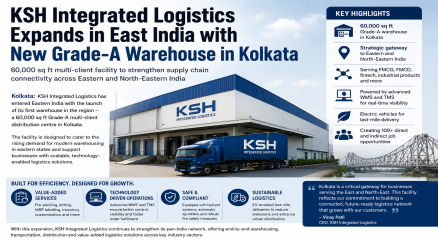
Strengthening its presence across India's logistics landscape, KSH Integrated Logistics has announced its entry into Eastern India with the launch of a new Grade-A warehousing facility in Kolkata. The 60,000 sq ft multi-client distribution centre marks a strategic milestone for the company as it seeks to build a stronger supply chain network capable of supporting businesses across Eastern and North-Eastern India. The expansion comes amid growing demand for organised warehousing and integrated logistics services in the region, driven by rising consumption, industrial activity and the rapid growth of e-commerce and manufacturing sectors. Kolkata's position as a key commercial gateway makes it an increasingly important hub for companies looking to improve market access and distribution efficiency across eastern states. With the new facility, KSH aims to provide customers with scalable warehousing solutions that eliminate the need for large capital investments in dedicated infrastructure. The multi-client model allows businesses to optimise storage and distribution operations while benefiting from shared logistics resources and technology-enabled processes. The warehouse is expected to serve a diverse customer base spanning FMCG, FMCD, fintech, industrial products and other sectors that rely on efficient inventory management and timely product movement. By combining warehousing, transportation and value-added services under a single platform, the company intends to help customers streamline supply chain operations and improve responsiveness to market demand. According to Vinay Patil, Chief Executive Officer of KSH Integrated Logistics, Eastern India represents an important growth corridor for the logistics industry. He noted that businesses today are increasingly looking for partners that can provide both operational flexibility and nationwide reach. The Kolkata facility, he said, is a key step in KSH's long-term strategy to develop a connected logistics network capable of supporting evolving customer requirements across India. Beyond conventional storage services, the facility will offer a range of supply chain solutions including pre-packing, kitting, MRP labelling, inventory customisation and other value-added activities designed to improve operational efficiency. The centre is supported by advanced Warehouse Management System (WMS) and Transportation Management System (TMS) platforms, enabling real-time inventory visibility, faster order processing and enhanced control over logistics operations. Technology remains a central pillar of the company's expansion strategy. The deployment of digital tools is expected to improve inventory accuracy, strengthen operational transparency and support data-driven decision-making across the supply chain. Sustainability has also been incorporated into the facility's operating model. KSH plans to utilise electric vehicles for last-mile deliveries, helping reduce carbon emissions while improving urban distribution efficiency. The warehouse has additionally been equipped with modern safety infrastructure, including automatic sprinkler systems, hydrants and other fire protection measures aligned with industry standards. Apart from strengthening regional logistics infrastructure, the project is expected to create more than 100 direct and indirect employment opportunities, contributing to local economic activity and workforce development. The Kolkata launch further expands KSH Integrated Logistics' pan-India network and reinforces its focus on integrated supply chain solutions. As businesses increasingly seek agile, technology-driven logistics partners, the company continues to invest in warehousing, transportation and distribution capabilities that can support growth across multiple industries. With Eastern India emerging as one of the country's most promising logistics markets, KSH's latest investment reflects the growing importance of regional distribution hubs in building faster, more resilient and customer-centric supply chains.

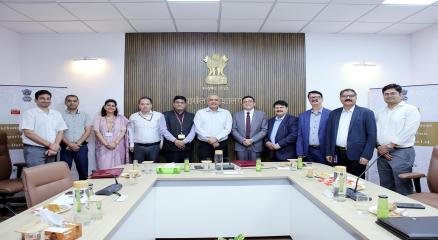
Union Commerce and Industry Minister Piyush Goyal has launched the BHAVYA (Bharat Audyogik Vikas Yojana) Portal, a digital platform designed to accelerate the implementation of the government’s ambitious ₹33,660 crore industrial parks programme, strengthening India’s logistics infrastructure. The initiative seeks to develop 100 world-class industrial parks across the country over the next six years, creating investment-ready manufacturing hubs and boosting industrial competitiveness. The BHAVYA Portal will serve as a centralised digital interface for states, Union Territories and other stakeholders to submit proposals, track project progress and facilitate approvals under the scheme. The platform is expected to improve transparency, streamline coordination and ensure faster execution of industrial infrastructure projects. Approved by the Union Cabinet earlier this year, the BHAVYA scheme aims to create integrated industrial ecosystems featuring plug-and-play infrastructure, multimodal connectivity, digital governance systems and worker-support facilities. The parks are envisioned as comprehensive manufacturing and investment destinations that can support both domestic and global businesses looking to expand operations in India. Union Minister Piyush Goyal said that the parks will provide infrastructure including assured water and power supply, road and rail connectivity, land titles, digital single-window clearances and, where feasible, air connectivity. The government is also open to developing dedicated areas for Global Capability Centres (GCCs), worker housing and social infrastructure within the parks. The operational guidelines for BHAVYA were released by the Department for Promotion of Industry and Internal Trade (DPIIT) in May 2026, and the launch of the portal marks the next critical step in translating policy into implementation. The portal will serve as the single digital interface for end-to-end implementation of the Scheme, facilitating the submission of Detailed Project Report (DPR) proposals, project appraisal and evaluation, and real-time monitoring of implementation progress. It will support the challenge-based competitive selection framework under BHAVYA by providing a structured and transparent mechanism for assessing proposals from States, Union Territories, and implementing agencies, while enabling efficient coordination among stakeholders throughout the project lifecycle. The launch event was chaired by Shri Piyush Goyal, and attended by Secretary, DPIIT, Shri Amardeep Singh Bhatia, and CEO & MD, NICDC, Shri Rajat Kumar Saini, along with representatives from State and Union Territory Governments, industry associations, Export Promotion Councils, banks and financial institutions, master developers, and MSMEs. Secretary, DPIIT, Shri Amardeep Singh Bhatia, emphasised that robust digital systems are essential for effective programme management and informed decision-making at scale. He noted that the portal, by serving as a single digital interface across all stages of project submission, evaluation, monitoring, and reporting, would significantly strengthen implementation of the Scheme and enable faster operationalisation of industrial parks across the country. CEO & MD, NICDC, Shri Rajat Kumar Saini, highlighted that the platform had been designed to support the complete lifecycle of projects under BHAVYA. He stated that it would facilitate efficient coordination among stakeholders, provide real-time visibility into project progress, and strengthen transparency and accountability in implementation. The launch was followed by an interaction between Shri Piyush Goyal and industry stakeholders, providing an opportunity to discuss India's next phase of industrial infrastructure development, investment facilitation, ease of doing business, logistics efficiency, and the role of integrated industrial parks in deepening domestic manufacturing capabilities and strengthening India's integration with global value chains. Additionally, the government has also adopted a competitive, challenge-based selection process for park development. In the first phase, states and Union Territories have been invited to submit proposals for up to 50 industrial parks, with the Centre providing financial assistance under defined eligibility criteria. The initiative encourages collaboration between state governments and private sector participants to accelerate infrastructure creation and attract large-scale investments. As India intensifies efforts to strengthen manufacturing capabilities and improve ease of doing business, the launch of the BHAVYA Portal marks a critical step in translating policy intent into on-ground industrial infrastructure. For logistics providers, manufacturers and investors alike, the programme signals the emergence of a new generation of industrial hubs designed to support India’s next phase of economic growth. 𝐒𝐭𝐚𝐲 𝐓𝐮𝐧𝐞𝐝 𝐭𝐨 CARGOCONNECT 𝐟𝐨𝐫 𝐥𝐚𝐭𝐞𝐬𝐭 𝐮𝐩𝐝𝐚𝐭𝐞𝐬!
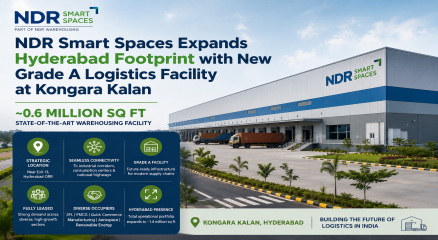
Strengthening its position in one of India's fastest-growing warehousing and logistics markets, NDR Smart Spaces has inaugurated a new Grade A warehousing facility spanning nearly 0.6 million sq ft at Kongara Kalan in Hyderabad. This development is another step in the company's long-term expansion and shows its commitment to supporting India's evolving supply chain ecosystem. The latest addition takes NDR Smart Spaces' total operational warehousing portfolio in Hyderabad to approximately 1.4 million sq ft, further enhancing its capacity to cater to the growing requirements of businesses seeking modern, technology-enabled logistics infrastructure. The newly launched park has already witnessed strong market acceptance, with the entire facility being leased before commencement of operations. The tenant mix reflects Hyderabad's emergence as a preferred logistics destination, attracting businesses from sectors such as third-party logistics (3PL), FMCG, quick commerce, and advanced manufacturing. Industry experts note that demand for high-quality warehousing continues to rise as companies focus on improving inventory management, distribution efficiency, and supply chain resilience. Hyderabad, in particular, has emerged as a key logistics gateway due to its strategic location, infrastructure development, and growing consumption base. One of the major advantages of the Kongara Kalan facility is its proximity to Exit 13 of Hyderabad's Outer Ring Road (ORR). The location provides convenient access to key industrial zones, consumption clusters, and national highway networks, enabling smoother freight movement and faster delivery timelines. By reducing transit delays and improving route accessibility, the facility is expected to help occupiers optimise logistics costs and operational efficiency. Commenting on the development, Amrutesh Reddy, Managing Director of NDR Smart Spaces, said the company views Hyderabad as a critical market in India's next phase of logistics growth. He noted that the Kongara Kalan project reflects the increasing preference among occupiers for premium Grade A warehousing infrastructure and added that the company's focus remains on creating future-ready facilities capable of addressing both current and emerging supply chain requirements. Echoing similar sentiments, Ramachandran Rajaram, Regional Business Head at NDR Smart Spaces, highlighted Hyderabad's transformation into a mature logistics and industrial destination. According to him, the wide range of occupiers operating from the facility—including companies from the manufacturing, aerospace, renewable energy, FMCG, quick commerce, and 3PL segments demonstrates the depth and diversity of demand being generated by the city. He further stated that the project's location along the Outer Ring Road places businesses at a strategic crossroads of connectivity and commercial activity, creating an ideal operating environment for efficient supply chain management. With the launch of the Kongara Kalan facility, NDR Smart Spaces continues to advance its vision of developing world-class logistics and industrial infrastructure designed to support India's rapidly expanding warehousing and distribution landscape. For more such news and updates, visit CARGOCONNECT.
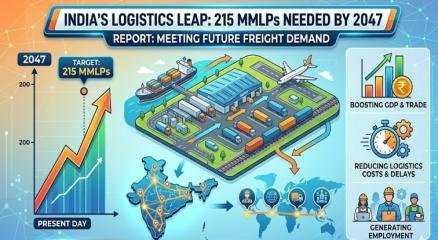
India will require around 215 multimodal logistics parks (MMLPs) by 2047 to accommodate rising freight volumes and support the shift in cargo movement from road to rail, according to a new industry report. The study highlights the critical role of next-generation logistics infrastructure in enabling the country’s long-term economic growth and logistics efficiency goals. The report estimates that India’s freight demand will increase substantially over the next two decades, driven by industrial expansion, growing domestic consumption, infrastructure development, and rising international trade. To manage this surge efficiently, the country will need a robust network of MMLPs that can integrate multiple transport modes, including rail, road, inland waterways, and ports. A key recommendation of the report is the development of 215 strategically located MMLPs across the country to facilitate seamless cargo movement and reduce logistics costs. These facilities are expected to serve as integrated hubs offering warehousing, cargo consolidation, value-added services, and efficient multimodal connectivity. The proposed logistics parks are also central to India’s ambition of increasing rail’s share in freight transportation. Currently, road transport dominates cargo movement, contributing to higher logistics costs and environmental impacts. Expanding multimodal infrastructure would help shift a larger portion of freight to rail, improving fuel efficiency, reducing congestion on highways, and lowering carbon emissions. Industry experts believe that MMLPs will play a crucial role in supporting the government’s broader logistics modernisation agenda, including initiatives such as the PM Gati Shakti National Master Plan and the National Logistics Policy. By improving connectivity between production centres, consumption hubs, ports, and industrial corridors, these facilities can significantly enhance supply chain resilience and operational efficiency. The report also underlines the importance of coordinated planning between central and state governments, infrastructure agencies, and private sector stakeholders. Timely land acquisition, regulatory approvals, and investment support will be essential to accelerate the development of these logistics hubs. As India targets becoming a developed economy by 2047, strengthening freight infrastructure will be a strategic priority. The creation of a nationwide network of multimodal logistics parks is expected not only to meet future freight demand but also to improve logistics competitiveness, reduce transportation costs, and support sustainable economic growth. With freight volumes projected to rise sharply over the coming decades, investment in multimodal logistics infrastructure is increasingly being viewed as a cornerstone of India’s supply chain transformation journey. 𝐒𝐭𝐚𝐲 𝐓𝐮𝐧𝐞𝐝 𝐭𝐨 CARGOCONNECT 𝐟𝐨𝐫 𝐥𝐚𝐭𝐞𝐬𝐭 𝐮𝐩𝐝𝐚𝐭𝐞𝐬!

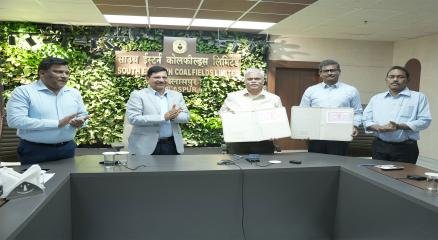
In a strategic warehousing move, the South Eastern Coalfields Limited (SECL), the second largest coal-producing subsidiary of Coal India Limited, has signed a Memorandum of Understanding (MoU) with Central Warehousing Corporation (CWC) for collaboration in coal logistics, railway rake provisioning under GPWIS and similar schemes, and integrated transportation services. Guided by the Union Ministry of Coal, SECL is rapidly working to improve India’s energy security and coal logistics infrastructure. The company is taking steps to boost coal evacuation efficiency and ensure a steady fuel supply to essential sectors. This partnership with CWC is a significant move in that direction. The goal of the partnership with CWC is to strengthen SECL’s coal evacuation capabilities by providing reliable and efficient rail logistics solutions to meet the rising demand from the power, steel, cement, and other sectors. The MoU outlines collaboration in various areas, including dedicated railway rake operations, integrated coal transportation solutions, multimodal logistics, first-mile and last-mile connectivity, and the deployment of digital systems for logistics monitoring and operational efficiency. Under the agreed framework, both organizations will explore provisioning and operation of GPWIS and equivalent racks, integrated rail logistics services, and long-term transportation solutions aimed at improving dispatch efficiency and reducing logistical obstacles. The MoU was signed in the presence of Harish Duhan, Chairman-cum-Managing Director of SECL, and Santosh Sinha, Managing Director of CWC. Functional Directors and senior officials from SECL, as well as representatives from CWC, attended the signing ceremony. SECL plays a vital role in meeting the country's growing coal demand. In the current financial year 2026-27, Coal India Limited has already surpassed the 100 million tonne production mark, with SECL contributing more than 26.8 million tonnes. Central Warehousing Corporation (CWC), a Navaratna Central Public Sector Enterprise under the Government of India, is a leader in integrated logistics and warehousing services. It has extensive experience in rail-linked cargo movement and multimodal transportation solutions. For more such news and updates, visit CARGOCONNECT.
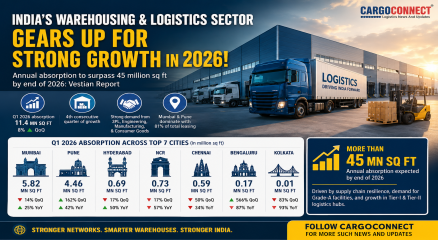
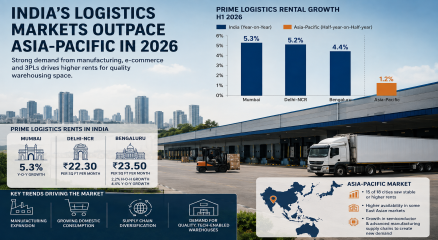
The warehousing and logistics sector is expected to see annual absorption surpassing 45 million sq ft by the end of 2026, reflecting strong demand, according to a Vestian survey. After a phase of slowdown in 2025, India’s warehousing and logistics sector has begun 2026 on a stronger note. This is due to improved confidence among renters, steady domestic demand, and ongoing upgrades to infrastructure. Following a year of careful growth strategies and optimizing networks, renters are gradually moving back to expansion, seeking selective capacity increases in major logistics corridors, especially for high-demand properties. In the first quarter of 2026, the top seven cities in India recorded an absorption of 11.4 million sq ft. This marks an 8 percent increase from the previous quarter and the fourth consecutive quarter of growth. Although absorption fell by 14 percent compared to last year, leasing activity remained strong, particularly from third-party logistics, engineering and manufacturing, and consumer goods sectors. Mumbai and Pune accounted for 81% of the total leasing activity, highlighting the ongoing strength of established industrial and logistics hubs in western India. The continued recovery quarter after quarter suggests that the slowdown in 2025 was a strategic adjustment rather than a sign of weakened demand. Pune was the second-largest contributor with 4.46 million sq ft of absorption. This figure rose by 162 percent from the last quarter and by 42 percent year-on-year, signaling a strong rebound after lower activity in previous quarters. Hyderabad saw an absorption of 0.69 million sq ft in Q1 2026, down 17 percent from the last quarter but up 50 percent from the same period last year. The NCR experienced an absorption of 0.73 million sq ft, which dropped sharply by 61 percent sequentially and 57 percent year-on-year, indicating limited leasing activity. Chennai recorded 0.59 million sq ft of absorption, a decrease of 50 percent from the previous quarter and 34 percent year-on-year, following a strong performance in earlier quarters. Bengaluru, despite a significant 566 percent increase from the last quarter, faced an 87 percent decline year-on-year, with absorption reaching 0.17 million sq ft in Q1 2026. Kolkata experienced a steep drop in leasing activity, with absorption falling to just 0.01 million sq ft. Looking ahead, an increasing focus on supply chain resilience, a rising demand for modern Grade-A facilities, and continued growth in emerging Tier-I and Tier-II logistics hubs are expected to drive growth in 2026. Renters are likely to prioritize network efficiency, quicker delivery times, and technology-driven warehousing solutions, creating fresh demand in key corridors. The warehousing and logistics sector is projected to see annual absorption exceed 45 million sq ft by the end of 2026, indicating ongoing demand in the sector, according to the Vestian report. For more such news and updates, follow CARGOCONNECT.
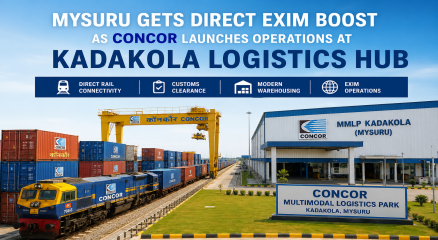
Container Corporation of India Ltd. has commenced export-import (EXIM) cargo handling at its Multimodal Logistics Park (MMLP) in Kadakola, Mysuru, strengthening logistics connectivity for industries in and around Mysuru. The facility became operational following the issuance of Bengaluru Customs Public Notice No. 04/2026 on May 18, enabling the terminal to handle international cargo movement. Located near key industrial clusters in southern Karnataka, the Kadakola logistics park is expected to support exporters and importers by offering cargo handling and multimodal transport services closer to manufacturing centres. The development is likely to reduce reliance on logistics hubs in larger metropolitan areas while improving turnaround times for cargo movement. The terminal is designed to integrate rail and road-based freight operations, helping streamline container movement for industries in and around Mysuru. Businesses in sectors such as manufacturing, engineering, textiles and agri-based exports are expected to benefit from improved access to customs-linked logistics infrastructure. Industry observers say the commissioning of the facility could strengthen Mysuru’s position in regional trade networks by enabling faster cargo clearances and lowering transportation inefficiencies in the supply chain. The project also aligns with broader efforts to expand inland logistics capacity and improve export connectivity across non-metro industrial regions in India. The Kadakola MMLP forms part of CONCOR’s wider strategy to expand multimodal freight infrastructure and support the growth of India’s EXIM trade ecosystem. Follow CARGOCONNECT for more such updates.
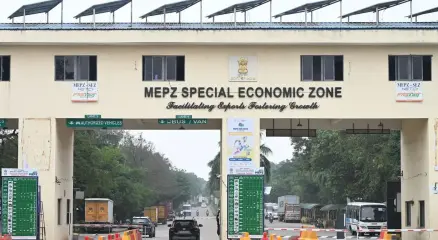
The MEPZ SEZ (Madras Export Processing Zone Special Economic Zone) has approved a fresh round of investment proposals worth more than ₹450 crore across Tamil Nadu, reinforcing the state’s position as a rapidly expanding hub for warehousing, logistics and export-oriented industrial infrastructure. The approvals are expected to create nearly 6,650 jobs across the Tamil Nadu, Andaman and Puducherry (TAP) region. The latest approvals were cleared by the Unit Approval Committee (UAC) chaired by Arthur Worchuiyo, Joint Development Commissioner of MEPZ SEZ. The projects span sectors including warehousing and logistics, IT/ITES, engineering services, footwear manufacturing and nutraceuticals, reflecting the increasing diversification of Tamil Nadu’s industrial and supply chain landscape. Among the most significant proposals is the project by Grand Atlantia Panapakkam SEZ Developers Private Limited at SIPCOT SEZ, Panapakkam in Ranipet district. The company plans to invest around ₹385 crore in developing its SEZ unit, with projected employment generation of over 5,000 jobs. Industry observers believe such large-format industrial and logistics developments will enhance warehousing capacity and improve supply chain connectivity for manufacturing clusters across northern Tamil Nadu. Another notable approval involves Tamil Nadu Nutraceutical Innovation Hub (TNIH) Private Limited, which will establish operations at the Integrated Chennai Business Park FTWZ in Ponneri. The Free Trade Warehousing Zone (FTWZ) model is increasingly gaining traction in India as companies seek integrated storage, distribution and export facilitation infrastructure near ports and industrial corridors. The project is expected to support value-added logistics activities while generating new employment opportunities. Additionally, Impex received approval to set up a unit at SIPCOT SEZ, Bargur, further strengthening the state’s industrial supply chain ecosystem. Tamil Nadu has been aggressively positioning itself as a preferred destination for manufacturing and logistics investments through infrastructure-led industrial policies, SEZ expansion and multimodal connectivity initiatives. Recent investment approvals across sectors such as electronics, aerospace, renewable energy and advanced manufacturing indicate a broader strategy to build integrated industrial and logistics corridors across the state. With warehousing demand rising alongside export growth and industrial diversification, the latest MEPZ approvals are expected to accelerate the development of modern logistics infrastructure and strengthen Tamil Nadu’s role in India’s evolving supply chain network. 𝐒𝐭𝐚𝐲 𝐓𝐮𝐧𝐞𝐝 𝐭𝐨 https://cargoconnect.co.in/ 𝐟𝐨𝐫 𝐥𝐚𝐭𝐞𝐬𝐭 𝐮𝐩𝐝𝐚𝐭𝐞𝐬!

Shadowfax is significantly expanding its quick commerce infrastructure, announcing plans to scale its dark store network from 15 facilities to 100 by FY27. The move underscores the company’s growing focus on hyperlocal deliveries, same-day fulfilment, and direct-to-consumer (D2C) logistics as competition intensifies in India’s fast-evolving quick commerce ecosystem. The Bengaluru-based company plans to add 85 new dark stores over the next fiscal year, targeting metro cities with delivery radiuses of approximately seven kilometres and fulfilment timelines of around 30 minutes. The expansion is expected to support rising demand from vertical quick commerce platforms and D2C brands that increasingly rely on third-party logistics (3PL) partners for rapid deliveries. According to company executives, vertical marketplaces are emerging as a profitable segment because of their dependence on outsourced logistics infrastructure rather than captive fulfilment networks. Shadowfax believes this trend creates a strong opportunity for scalable 3PL-led quick commerce models. The dark store expansion will account for nearly 10% of Shadowfax’s planned capital expenditure of ₹180–190 crore in FY27. The company is simultaneously strengthening its automation and artificial intelligence capabilities to improve operational efficiency. AI-led demand forecasting, automated slotting, and smarter sorting centre operations are expected to reduce overhead costs while accelerating breakeven timelines for new facilities. Shadowfax’s aggressive expansion comes on the back of strong financial performance. The company reported a consolidated net profit of ₹55.8 crore in Q4 FY26, compared to a net loss of ₹9.9 crore during the same period last year. Revenue from operations surged 73.6% year-on-year to ₹1,237 crore, reflecting growing order volumes and increased adoption of quick commerce delivery services. Founded in 2015, Shadowfax has evolved into one of India’s largest logistics and last-mile delivery networks, serving over 2,500 cities and more than 15,000 pincodes. The company currently handles millions of shipments daily through a technology-driven delivery ecosystem that supports e-commerce, grocery, hyperlocal, and D2C brands. Industry analysts believe the dark store expansion reflects a broader shift within India’s logistics sector, where speed, proximity-based fulfilment, and automated operations are becoming central to supply chain competitiveness. As quick commerce adoption accelerates beyond groceries into categories such as fashion, electronics, and personal care, logistics providers like Shadowfax are positioning themselves as critical enablers of ultra-fast retail fulfilment. 𝐒𝐭𝐚𝐲 𝐓𝐮𝐧𝐞𝐝 𝐭𝐨 https://cargoconnect.co.in/ 𝐟𝐨𝐫 𝐥𝐚𝐭𝐞𝐬𝐭 𝐮𝐩𝐝𝐚𝐭𝐞𝐬!
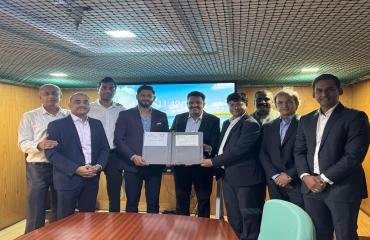
Welpsun One, a well-known warehousing real estate platform, announced that it signed a LoI with Balmer Lawrie and Co to sublease warehousing space in the financial capital of India, Mumbai. As per the Letter of Intent, Welpsun One will sublease around 65000 sq ft of Grade A+ warehousing space at WTC Nhava Sheva within the Jawaharlal Nehru Port Authority (JNPA) special economic zone to the company for a period of five years. With this move, Balmer Lawrie and Co became the first central public sector undertaking (PSU) to collaborate with Welspun One across its diversified portfolio. The partnership will also strengthen the company's rapid expansion into special economic zone (SEZ) warehousing and port-linked logistics operations, riding on its operating strengths in CFS (container freight station) operations, freight forwarding, and international trade facilitation. It is learnt that the facility is likely to be operational by the start of 2027. Currently, Balmer Lawrie already operates a container freight station at Jawaharlal Nehru Port Authority (JNPA) located in Navi Mumbai. The WTC Nhava Sheva facility, widely known to provide customs duty deferment and a swift clearance, will widen that footprint further into SEZ warehousing and value-added logistics services. Neeraj Balani, Chief Customer Officer, Welspun One, stated, “WTC Nhava Sheva has been designed for partners who require high-quality infrastructure, regulatory efficiency and direct proximity to India's most crucial port-led trade gateway, and we truly believe this will set the tone for many more institutional engagements.” WTC Nhava Sheva is Welspun One’s main project inside the JNPA SEZ and spans an area of 55 acres and offers about 4.45 million square feet of development space, with an investment of Rs 2,700 crore. Welspun One believes that the project would bring together warehousing, industrial, and EXIM-linked operations all in one place, under one roof, creating an integrated hub for businesses. For more such news and updates, visit CARGOCONNECT.
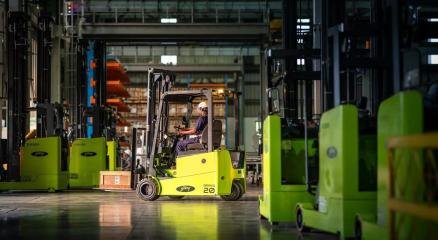
India’s material handling sector has received a major innovation boost with the launch of the country’s first Multilon battery technology for electric forklifts by Godrej Enterprises Group. Developed by the company’s Material Handling Equipment division, the new battery solution aims to improve efficiency, reduce operational costs, and support sustainable warehouse operations. The launch comes at a time when India’s warehousing and logistics industries are expanding rapidly, driven by e-commerce growth, manufacturing activity, and increasing demand for modern supply chain infrastructure. According to the company, the Multilon battery technology can lower forklift operating costs by nearly 25 percent over its lifecycle. The batteries are designed for long-term use and support features such as fast charging, opportunity charging, and maintenance-free performance. The technology was developed in collaboration with an Indian deep-tech battery company and offers up to 5,000 charging cycles, significantly higher than conventional lithium-ion batteries. It also reduces reliance on rare-earth materials, helping minimize environmental impact and disposal concerns. One of the key advantages of the new battery system is its agility to operate efficiently in temperature above 45 degree Celsius, making it suitable for challenging Indian industrial conditions. Company officials said the launch reflects the growing focus on sustainable and future-ready industrial solutions that can improve productivity and energy efficiency across warehouses and logistics operations. Follow CARGOCONNECT for more such updates.

The Delhi government is set to introduce a new Logistics and Warehousing Policy aimed at modernizing freight movement, reducing traffic congestion, strengthening supply chains, and generating employment. In a move aimed at improving operational efficiency, warehousing, and logistics facilities may be allowed to operate 24*7 through a simplified single-window approval system. Chief Minister Rekha Gupta said the proposed framework will improve Delhi’s logistics ecosystem by boosting industrial growth, attracting investment, and enhancing the ease of doing business. The policy is expected to benefit sectors such as e-commerce, textiles, electronics, and food supply chains. Gupta noted that nearly 61 per cent of warehousing demand currently come from the e-commerce sector, expecting the policy to attract substantial investment in modern fulfilment infrastructure. As a part of the strategy, Urban Consolidation and Logistics Distribution Centres (UCLDCs) will be established in peripheral areas for the smooth flow of bulk cargo and streamline its movement into the city based on demand. The policy also proposes the development of local storage hubs and micro-fulfilment centres to strengthen last-mile delivery services. The government also plans to modernize Inland Container Depots (ICDs), develop logistics corridors, truck terminals, and dedicated parking hubs, along with cold storage facilities near mandis to support agricultural and food supply chains while reducing transportation delays and wastage. Technology integration is another key aspect of the proposed framework. Officials said an Integrated Logistics Interface Platform (ULIP), will be introduced for the real-time cargo tracking and digital freight movement. The policy also places strong emphasis on green logistics and sustainable infrastructure. Measures under consideration include the promotion of electric vehicles for last-mile deliveries, low-emission freight systems, and solar-powered warehousing facilities to reduce pollution and support cleaner urban transport. Improved storage and distribution facilities will boost productivity and competitiveness, with growth anticipated in third-party logistics (3PL) services. Officials believe that the proposed policy will not only attract major investments and generate employment opportunities but also strengthen Delhi’s position as a key logistics and warehousing hub in the country. Follow CARGOCONNECT for more such updates.
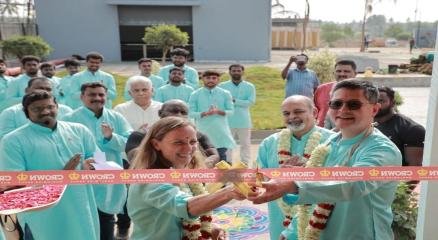
Crown Worldwide Group has strengthened its India expansion strategy with the launch of a new integrated facility in Coimbatore, reinforcing the company’s long-term commitment to the country’s rapidly growing information and asset management market. Spread across a 4.5-acre site, the facility has been designed to support scalable growth, offering an initial storage capacity of more than 468,000 Standard Carton Equivalents (SCE) with expansion potential to 720,000 SCE under a planned Phase 2 development which will see addition of 45,000 sq ft. Commenting on the development, Jennifer Harvey, Group CEO, Crown Worldwide Group said, "India is one of our fastest growing markets and this new facility strengthens our ability to support clients with physical document and corporate asset storage, digitalisation, and information management solutions." The new site will support Crown’s information management, storage and digitalisation operations while also catering to its relocation and workspace solutions businesses, including refurbishment and reuse services through its Renew Centre. Tze Shen Kong, CEO - Asia, Crown Worldwide Group noted, “This facility significantly strengthens our ability to serve clients operating in and out of India.” Designed for high operational efficiency, the facility integrates advanced building management systems for real-time monitoring of critical operations including climate control, fire safety and electrical systems. The site also incorporates sustainability-focused features such as insulated construction, reflective roofing and green cover to enhance energy efficiency and environmental performance. According to Srinivas Krishnan, Regional Managing Director - South Asia, Crown Worldwide Group the new facility further strengthens Crown’s regional network while preparing the company to address the growing scale and complexity of client demand across South India.

In a major step toward improving India’s medical device supply chain, Celcius Logistics has partnered with Ottobock India to launch a dedicated prosthetics and assistive-device warehouse facility in Thane, Maharashtra. The newly launched facility, located at Wagle Estate, spans approximately 3,000 sq ft and has been developed to support the storage and nationwide distribution of advanced prosthetic limbs, orthotic devices and other specialized healthcare products. The warehouse features 110 slotted racks, more than 700 bin locations, and a temperature- controlled section for storing sensitive medical materials. Under a five- year agreement, Celcius Logistics, an Indian healthcare and cold-chain logistics company will manage the end-to-end warehouse operations and transportation for Ottobock India, the Indian arm of Germany-based prosthetics manufacturer Ottobock. Both firms have already indicated plans to expand the facility’s operational capacity by nearly 25 percent within the next year as demand increases. Commenting on the partnership, Swarup Bose, Founder and CEO, Celcius Logistics, said, “This partnership reflects how healthcare supply chains in India are evolving towards greater precision, reliability, and accountability. At Celcius, we are focused on building infrastructure that can consistently support the movement of high-value, sensitive medical products at scale. By combining our technology-led logistics capabilities with Ottobock’s global expertise, we are enabling a more robust and responsive distribution ecosystem.” The launch of the Thane facility is therefore being seen by industry experts not only as a warehousing expansion, but also as a broader move toward building a specialized healthcare logistics in India. Follow CARGOCONNECT for more such updates.
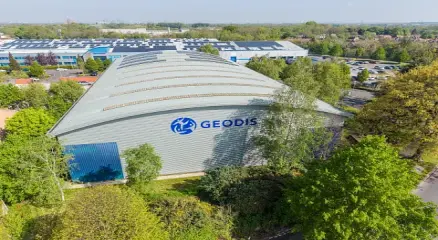
GEODIS has announced the launch of a new GDP-compliant, temperature-controlled pharmaceutical warehouse located near Manchester Airport. The facility is designed to support both inventory management and cross-docking operations, further strengthening the company’s presence in the rapidly expanding pharma and healthcare sector across the UK and Ireland. Operations at the site are set to commence on June 1, 2026. The warehouse will provide capacity for 2,000 pallets and has been specifically built to handle sensitive pharmaceutical products that require stringent temperature control and regulatory adherence. It will feature dedicated short-term storage areas, including a fully temperature-controlled zone maintained at controlled room temperature (15–25°C) as well as chilled storage environments (2–8°C). There is also flexibility to introduce frozen storage if required. Additional features include designated returns areas and continuous temperature monitoring with 24/7 alert systems, ensuring product integrity while supporting both temporary storage and efficient distribution. Positioned close to the M6 and M62 transport routes and in proximity to Manchester Airport, the facility offers efficient access for nationwide distribution along with strong international air freight connectivity. Manchester’s thriving life sciences sector and central geographic location make it a strategic hub for meeting the increasing demand for specialised pharmaceutical logistics services. “This new facility allows us to provide highly reliable end-to-end solution for temperature-sensitive healthcare products. With advanced monitoring systems, robust compliance standards and strong connectivity across the UK, we are well positioned to support pharmaceutical and biotech companies with safe, efficient and scalable logistics solutions,” said Paul Morris, Head of Pharma & Healthcare Vertical for GEODIS in UK. The operations will be supported by a validated Warehouse Management System (WMS) providing barcode scanning, batch traceability, full audit trails, and real-time inventory visibility to ensure compliance, transparency, and operational efficiency throughout the supply chain, whether for inventory holding or fast-moving distribution flows. The Manchester site meets a wide range of international quality and security standards, including GDP/ WDA pharmaceutical compliance, as well as ISO 9001, ISO 14001, ISO 45001, ISO 50001, TAPA, AEO, and Dangerous Goods certifications. Additionally, the warehouse has also been designed with sustainability in mind, incorporating energy-efficient refrigeration systems, LED lighting, and waste-reduction initiatives.
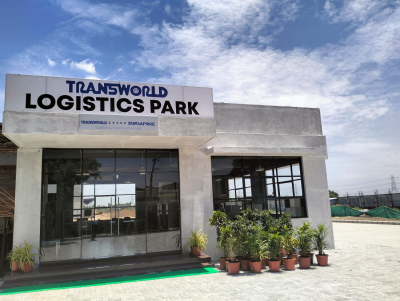
Transworld Terminals Private Limited announced the launch of its latest venture, Transworld Logistics Park in Chennai. Known for its robust infrastructure and connectivity, Chennai is strategically positioned with excellent highways, railways, airports, and some of India's busiest ports, making it an ideal location for Transworld's new business vertical. The Transworld Logistics Park boasts a state-of-the-art warehouse spanning 1,25,000 sq ft, equipped with modern features such as dock levelers, 24/7 CCTV surveillance, fire safety systems, well-paved internal roads, and ample parking space. Located just 2 km from the state highway and within 25 km of major ports like Ennore, Chennai, and Kattupalli, the facility offers a strategically positioned storage solution for customers. Since 2009, Transworld Terminals has been a key player in the container freight station business, providing top-notch infrastructure and handling services to EXIM cargo in India. The launch of the Logistics Park marks a significant milestone as the company diversifies into domestic cargo handling. Leveraging its extensive experience in international cargo management, Transworld Terminals aims to offer exceptional storage and service solutions to its domestic trade partners, strengthening its presence in the logistics industry. This new development underlines Transworld’s commitment to enhancing the logistics landscape and supporting India's growing trade needs with quality and efficiency.

Sameera Warehouster recently marked a significant milestone with the Bhoomi Pujan for its upcoming 2.6 lakh sq. ft facility on the Bangalore-Chennai Highway. The project’s first phase will focus on constructing 1.01 lakh sq. ft, laying the foundation for a state-of-the-art warehouse tailored for a leading automobile component manufacturer. This Built-To-Suit (BTS) facility, located in Ennathur, is set to redefine industrial space standards by enhancing operational efficiency and supporting business growth. The Bhoomi Pujan ceremony was a pivotal moment in Sameera Warehouster's journey to deliver customised, high-quality industrial spaces. The event was celebrated by key stakeholders, marking the beginning of a project designed to meet the specific needs of a valued client. Commenting on the project, Mr. Sandeep Chadha, Managing Director of Sameera Warehouster, stated, "We are proud to embark on this new venture on the Bangalore-Chennai Highway, which underscores our commitment to creating innovative and efficient industrial spaces. This facility is more than just an industrial building—it’s a strategic solution that will help our client optimise their operations and expand their business footprint. We are dedicated to delivering a space that meets their exact specifications and contributes to their continued success." In addition to this development, Sameera Warehouster has acquired a 137-acre park in Chengalpet, with plans for a potential 3 million sq. ft. of development. This expansion aligns with the company’s vision to build robust infrastructure that empowers businesses to thrive. Development at Chengalpet is expected to commence soon, offering new opportunities for growth and innovation. Sameera Warehouster remains committed to pushing the boundaries of industrial real estate. With these projects, the company aims to provide state-of-the-art facilities that foster growth, efficiency, and success for its clients.
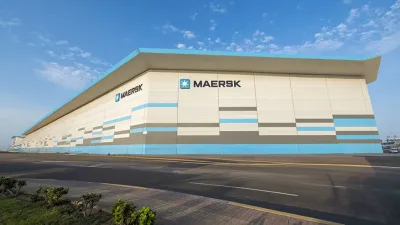
A.P. Moller – Maersk (Maersk) and the General Ports Authority of Saudi Arabia, known as Mawani, unveiled the largest Maersk Logistics Park in the Middle East at Jeddah Islamic Port on Wednesday. The opening ceremony was graced by notable figures including His Excellency Engineer Saleh bin Nasser Al-Jasser, Minister of Transport and Logistics Services and Chairman of the General Ports Authority, and Vincent Clerc, CEO of A.P. Moller – Maersk, alongside other key officials from the logistics and business sectors. In his keynote address, Engineer Saleh bin Nasser Al-Jasser highlighted the transformation of Saudi Arabia’s ports sector, marked by higher operational efficiency and growing maritime connectivity. He emphasised that the new logistics park will play a pivotal role in strengthening Saudi Arabia's economic activities, supporting trade, exports, and improving supply chain logistics. "The Maersk Logistics Park at Jeddah Islamic Port will contribute significantly to the Kingdom’s economic development by providing top-tier logistics services that enhance trade movement and export capabilities," Al-Jasser stated. Omar bin Talal Hariri, President of the General Authority of Ports, praised the role of the logistics park in bolstering the logistics industry’s growth. He said, "This facility will facilitate supply chain connectivity, which will drive significant improvements in the operational performance of Saudi ports and enhance the capabilities of the logistics sector." Vincent Clerc, CEO of A.P. Moller – Maersk, emphasised the strategic importance of the new logistics park, positioning Saudi Arabia as a vital hub for global trade. "Our Logistics Park in Jeddah demonstrates our integrated logistics strategy. It supports our customers with resilient logistics while advancing our decarbonisation goals," Clerc remarked. Ahmed Kudous, Head of Supply Chain for Unilever’s Middle East and Turkey region, reiterated the significance of the logistics park in supporting Unilever's sustainability goals. By consolidating operations at the facility, Unilever aims to reduce energy consumption and CO2 emissions, aligning with its Net Zero ambition by 2039. Kudous added, "This partnership with Maersk advances our sustainability agenda while contributing to the Saudi Vision 2030, which aims to transform the Kingdom into a leading global logistics hub." Spanning 225,000 square meters, the Maersk Logistics Park offers fully integrated logistics solutions under one roof. It boasts multi-modal connectivity, linking ocean, land, and air transport, and provides warehousing solutions for both B2B and e-commerce. The facility includes temperature-controlled warehouses, custom-bonded setups, and distribution solutions, such as first- and last-mile deliveries, making it ideal for industries ranging from FMCG, frozen food, and retail to petrochemicals, electronics, and pharmaceuticals. The logistics park is also a cornerstone of Maersk’s decarbonisation strategy. Up to 70% of the facility's electricity will be drawn from 32,000 solar panels installed across 64,000 square meters of rooftop space. The site will operate electric equipment and trucks, utilise low-consumption LED lighting, and adopt other energy-efficient technologies, contributing to Maersk’s ambition to achieve Net Zero greenhouse gas emissions by 2040. In addition to its environmental initiatives, Maersk has established a women’s academy at the park, dedicated to training and empowering Saudi women in the logistics and supply chain sector. This academy offers specialised training and mentorship programs to enhance diversity and inclusion within an industry traditionally dominated by men. Safety remains a priority at the Maersk Logistics Park, which has been built with world-class firefighting systems, segregated pedestrian and equipment paths, and comprehensive surveillance camera systems to ensure the security of both personnel and cargo. The facility’s state-of-the-art safety measures reflect Maersk’s commitment to creating a safe environment for all stakeholders. Strategically located at Jeddah Islamic Port, which features advanced infrastructure, the logistics park is positioned to leverage modern automated and eco-friendly equipment. This will enhance the port’s operational efficiency, competitiveness, and capacity, enabling it to accommodate new generations of large vessels. The launch of the Maersk Logistics Park is a significant milestone in advancing Saudi Arabia’s logistics capabilities and global trade competitiveness, aligning with the broader objectives of Saudi Vision 2030 to position the Kingdom as a leading logistics hub on the global stage.
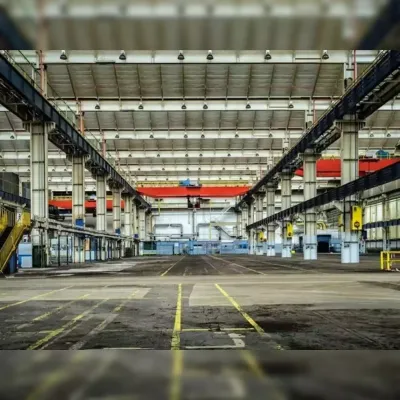
Indian tyre manufacturer MRF has leased a substantial 3.85 lakh sq ft warehousing space in Sudavadi, Pune’s Mawal area. This 10-year long-term lease is part of a strategic arrangement with NDR Tradehouse. The Chennai-based company will pay an initial monthly rent of Rs. 1.05 crore, with a 4.5 per cent annual rent escalation clause ensuring gradual rent adjustments. Additionally, MRF will incur common area maintenance charges of Rs. 3.85 lakh per month. The transaction was registered on July 18, as per CRE Matrix data. The lease term includes an initial five-year period, with an option to extend for another five years. A lock-in period of three years ensures both parties' commitment to the lease for at least that duration. MRF has also secured an agreement for an additional 2 lakh sq ft of space within three years to accommodate future expansion. If NDR Tradehouse fails to provide this space, the lock-in clause will be void. The rapid expansion of e-commerce, the implementation of the Goods and Services Tax (GST), and the growing demand for efficient supply chain management have driven significant growth in warehouse leasing in India. This trend is particularly evident in major metropolitan areas and emerging industrial hubs, where companies aim to streamline logistics and enhance distribution networks.
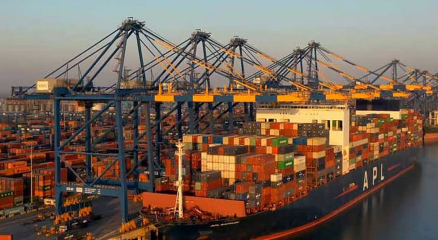
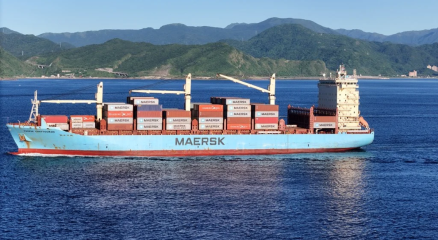
India’s two largest container gateways, Mundra and Nhava Sheva, are facing mounting congestion as rising cargo volumes, truck driver shortages and rerouted shipments from the Middle East strain operations across the country’s logistics network. Shipping lines and logistics operators are reporting worsening turnaround times at both ports, with vessel delays averaging nearly two and a half days and some unscheduled ships waiting up to five days for berthing. The disruptions are slowing cargo movement, tightening yard space and forcing carriers to make last-minute operational changes. According to industry reports, a shortage of truck drivers has become a major bottleneck for container transfers between terminals and inland transport hubs. The issue has reduced the pace of cargo evacuation from ports, adding pressure on already crowded container yards. Terminal operators have intermittently restricted gate access to control container inflow, while export gate schedules continue to shift frequently. These changes are complicating truck planning and increasing uncertainty for exporters and freight forwarders. The congestion is being intensified by cargo diversions linked to disruptions in the Middle East, particularly around Gulf trade routes. Shipping lines have increasingly redirected transshipment cargo to Indian ports as alternatives to facilities in the Persian Gulf, sharply increasing container volumes in recent weeks. The pressure has begun affecting carrier schedules. Some shipping companies are rerouting vessels between terminals at short notice to avoid yard congestion. Danish shipping giant Maersk recently shifted several sailings from its regular terminal at Nhava Sheva to PSA Mumbai after facing space constraints and a growing container backlog. Industry stakeholders say these sudden terminal changes are creating operational and financial challenges for shippers, including higher handling costs and difficulties coordinating customs clearance and inland transportation. The latest disruption comes at a time when India has been positioning itself as a major global manufacturing and logistics hub. Over the past decade, the country has expanded port capacity, improved freight corridors and modernised customs processes to strengthen supply chain efficiency. However, the current congestion highlights the vulnerability of port infrastructure during periods of sudden trade realignment and geopolitical disruption. Logistics experts warn that prolonged delays could increase freight costs, extend delivery timelines and place additional pressure on exporters already dealing with volatile global shipping conditions. Follow CARGOCONNECT for more such updates.
The diversification process by Apple continues to progress as India becomes one of the centers for manufacturing operations. Based on an analysis by Smart Analytics Global (SAG), the percentage share of Indian manufacturing of iPhones has increased from 14% in 2024 to 23% in 2025 and further to 28% by 2026, whereas China’s share has decreased from 83% to 74% within the same timeframe. As Apple continues to lower its reliance on China, India is all set to emerge as the major assembly hub for 28 percent of all iPhones exported around the world by 2026, compared to just 23 percent in the prior year. This change is due to the company's overall strategy of spreading its manufacturing operations in order to mitigate potential tariff risks and geopolitical risks, in addition to creating a more flexible manufacturing network beyond China. Based on the estimates of Smart Analytics Global (SAG), China's share in global iPhone production dropped from 83% in 2024 to 74% in 2025, while India's share increased from 14% in 2024 to 23% in 2025. Estimates provided by another market research firm, Counterpoint Research, indicate that India's share in global iPhone manufacturing could increase to approximately 26% in 2026 from 23% in 2025. As per SAG, “India will account for the manufacture of 28 percent of iPhones shipped globally in 2026, rising from 23 percent in 2025. This growth will be fueled by the ongoing diversification of Apple outside China and capacity build-up at existing manufacturers in India like Tata Electronics,” said Abhilash Kumar, an analyst at Smart Analytics Global. According to Tarun Pathak, research director at Counterpoint Research, “Apple's manufacturing partners have substantially increased their manufacturing capacities and assembly lines in India. They have also diversified their product portfolio made in India.” He further stated that the increase in manufacturing capacity of Tata Electronics is another factor aiding the growth. Apple has managed to localize production substantially in India through manufacturers like Foxconn and Tata Electronics. The recent takeover of Wistron and Pegatron in India by the Tata Group represents a huge step forward in Apple’s localization efforts in India. At present, India is assembling a larger number of iPhones, even the latest versions, and has become an important source of exports, targeting countries like the US and European nations. Over the past five years, Apple has manufactured iPhones worth almost $70 billion in India using its PLI scheme, where around $51 billion, or almost 73% of all iPhones manufactured, were exported from India. Moreover, iPhones have become the most exported goods from India during the previous financial year. India has become the biggest beneficiary of Apple’s changing supply chain. From initially assembling iPhones on a smaller scale, it has grown to become a manufacturing cluster for iPhones through government incentives, increased manufacturing capabilities, and the growing presence of suppliers. Several of the most important suppliers and manufacturers for Apple are still highly entrenched within China, allowing the country to enjoy an unrivaled capacity and adaptability when it comes to managing mass-scale productions and product shifts. For more such news and updates, visit CARGOCONNECT.
Shadowfax is significantly expanding its quick commerce infrastructure, announcing plans to scale its dark store network from 15 facilities to 100 by FY27. The move underscores the company’s growing focus on hyperlocal deliveries, same-day fulfilment, and direct-to-consumer (D2C) logistics as competition intensifies in India’s fast-evolving quick commerce ecosystem. The Bengaluru-based company plans to add 85 new dark stores over the next fiscal year, targeting metro cities with delivery radiuses of approximately seven kilometres and fulfilment timelines of around 30 minutes. The expansion is expected to support rising demand from vertical quick commerce platforms and D2C brands that increasingly rely on third-party logistics (3PL) partners for rapid deliveries. According to company executives, vertical marketplaces are emerging as a profitable segment because of their dependence on outsourced logistics infrastructure rather than captive fulfilment networks. Shadowfax believes this trend creates a strong opportunity for scalable 3PL-led quick commerce models. The dark store expansion will account for nearly 10% of Shadowfax’s planned capital expenditure of ₹180–190 crore in FY27. The company is simultaneously strengthening its automation and artificial intelligence capabilities to improve operational efficiency. AI-led demand forecasting, automated slotting, and smarter sorting centre operations are expected to reduce overhead costs while accelerating breakeven timelines for new facilities. Shadowfax’s aggressive expansion comes on the back of strong financial performance. The company reported a consolidated net profit of ₹55.8 crore in Q4 FY26, compared to a net loss of ₹9.9 crore during the same period last year. Revenue from operations surged 73.6% year-on-year to ₹1,237 crore, reflecting growing order volumes and increased adoption of quick commerce delivery services. Founded in 2015, Shadowfax has evolved into one of India’s largest logistics and last-mile delivery networks, serving over 2,500 cities and more than 15,000 pincodes. The company currently handles millions of shipments daily through a technology-driven delivery ecosystem that supports e-commerce, grocery, hyperlocal, and D2C brands. Industry analysts believe the dark store expansion reflects a broader shift within India’s logistics sector, where speed, proximity-based fulfilment, and automated operations are becoming central to supply chain competitiveness. As quick commerce adoption accelerates beyond groceries into categories such as fashion, electronics, and personal care, logistics providers like Shadowfax are positioning themselves as critical enablers of ultra-fast retail fulfilment. 𝐒𝐭𝐚𝐲 𝐓𝐮𝐧𝐞𝐝 𝐭𝐨 https://cargoconnect.co.in/ 𝐟𝐨𝐫 𝐥𝐚𝐭𝐞𝐬𝐭 𝐮𝐩𝐝𝐚𝐭𝐞𝐬!
India’s Dedicated Freight Corridors (DFCs) are rapidly reshaping the country’s logistics landscape, with the Western Dedicated Freight Corridor (WDFC) between Dadri and Jawaharlal Nehru Port Authority (JNPA) emerging as a game-changing infrastructure project for supply chains and multimodal freight movement. Designed exclusively for cargo operations, the corridor is significantly reducing transit times, improving reliability, and easing congestion on conventional rail routes. Stretching nearly 1,500 km from Dadri in Uttar Pradesh to JNPA near Mumbai, the corridor forms the backbone of India’s western logistics artery, connecting manufacturing centres, inland container depots, industrial clusters, and ports. With dedicated tracks for freight trains, the network allows uninterrupted cargo movement at higher average speeds, eliminating delays caused by mixed passenger and freight operations. One of the biggest outcomes has been a sharp reduction in transit time. Freight movement between Dadri and JNPA that traditionally took close to 72 hours on congested rail routes is now being completed in nearly half the time, improving turnaround efficiency for exporters, importers, and logistics operators. Industry stakeholders believe the reduction in transit duration will strengthen India’s competitiveness in global trade and support the government’s target of lowering logistics costs as a percentage of GDP. The DFC network has also enabled the operation of longer and heavier freight trains, including double-stack container services on electrified routes. This has increased carrying capacity while lowering per-unit transportation costs. According to sector estimates, rail freight on dedicated corridors is considerably more energy-efficient and environmentally sustainable than road transport, aligning with India’s broader decarbonisation goals. Beyond operational efficiency, the corridors are catalysing the growth of integrated logistics ecosystems. Regions such as Dadri, Greater Noida, and Jewar are witnessing accelerated development of multimodal logistics parks, warehousing zones, and industrial hubs due to their strategic connectivity with both the Eastern and Western DFCs. The emerging “rail-road-air” logistics triangle around the National Capital Region is expected to attract substantial investments in manufacturing and distribution infrastructure. The Dedicated Freight Corridor Corporation of India (DFCCIL) has reported rising freight train volumes on the operational stretches, indicating growing industry adoption. The completion of key links on the western corridor is expected to further enhance throughput and reduce dependency on road transport for long-haul cargo. Analysts say the dedicated rail network could become central to India’s ambition of creating faster, greener, and more resilient supply chains. As India continues investing in additional freight corridors across the country, the success of the Dadri-JNPA route demonstrates how infrastructure modernisation can directly influence trade efficiency, logistics performance, and industrial growth. 𝐒𝐭𝐚𝐲 𝐓𝐮𝐧𝐞𝐝 𝐭𝐨 https://cargoconnect.co.in/ 𝐟𝐨𝐫 𝐥𝐚𝐭𝐞𝐬𝐭 𝐮𝐩𝐝𝐚𝐭𝐞𝐬
In a strategic warehousing move, the South Eastern Coalfields Limited (SECL), the second largest coal-producing subsidiary of Coal India Limited, has signed a Memorandum of Understanding (MoU) with Central Warehousing Corporation (CWC) for collaboration in coal logistics, railway rake provisioning under GPWIS and similar schemes, and integrated transportation services. Guided by the Union Ministry of Coal, SECL is rapidly working to improve India’s energy security and coal logistics infrastructure. The company is taking steps to boost coal evacuation efficiency and ensure a steady fuel supply to essential sectors. This partnership with CWC is a significant move in that direction. The goal of the partnership with CWC is to strengthen SECL’s coal evacuation capabilities by providing reliable and efficient rail logistics solutions to meet the rising demand from the power, steel, cement, and other sectors. The MoU outlines collaboration in various areas, including dedicated railway rake operations, integrated coal transportation solutions, multimodal logistics, first-mile and last-mile connectivity, and the deployment of digital systems for logistics monitoring and operational efficiency. Under the agreed framework, both organizations will explore provisioning and operation of GPWIS and equivalent racks, integrated rail logistics services, and long-term transportation solutions aimed at improving dispatch efficiency and reducing logistical obstacles. The MoU was signed in the presence of Harish Duhan, Chairman-cum-Managing Director of SECL, and Santosh Sinha, Managing Director of CWC. Functional Directors and senior officials from SECL, as well as representatives from CWC, attended the signing ceremony. SECL plays a vital role in meeting the country's growing coal demand. In the current financial year 2026-27, Coal India Limited has already surpassed the 100 million tonne production mark, with SECL contributing more than 26.8 million tonnes. Central Warehousing Corporation (CWC), a Navaratna Central Public Sector Enterprise under the Government of India, is a leader in integrated logistics and warehousing services. It has extensive experience in rail-linked cargo movement and multimodal transportation solutions. For more such news and updates, visit CARGOCONNECT.