
Loading...
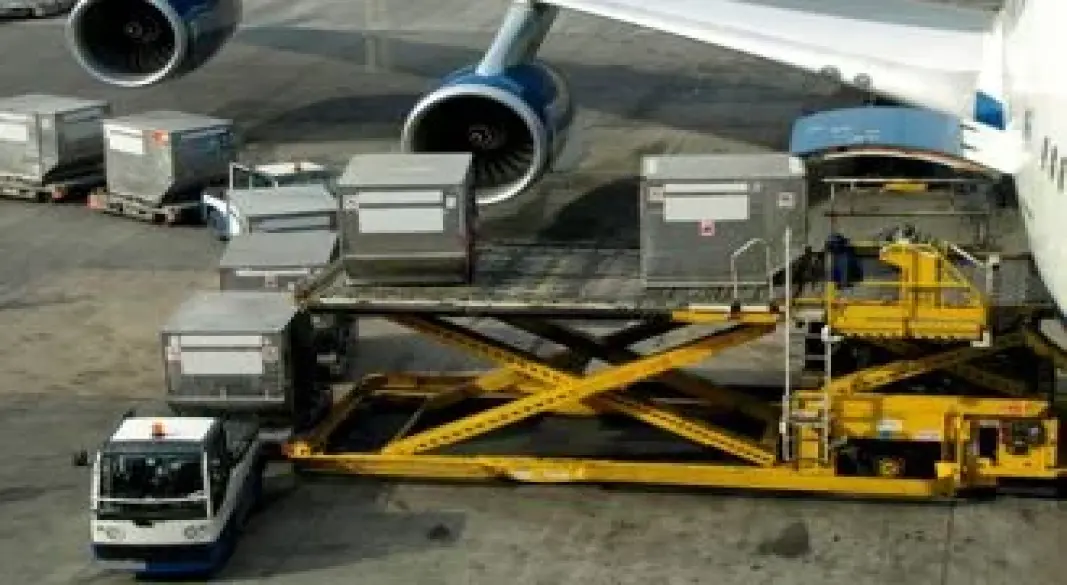
The International Air Transport Association (IATA) has called for stronger, coordinated action across the air cargo supply chain to tackle the growing risks associated with undeclared and mis-declared dangerous goods (DG), stressing that security screening alone cannot provide a complete solution.
The call follows discussions among regulators on whether existing aviation security screening processes could serve as a primary defence against dangerous goods entering the air cargo system. IATA said screening remains an important layer of protection, but its primary purpose is to identify security threats such as explosives and weapons rather than the broad range of hazardous materials covered by dangerous goods regulations.
According to IATA, around 80% of dangerous goods incidents reported to the association during the first half of 2025 involved undeclared or hidden dangerous goods. Lithium batteries, along with concealed e-cigarettes, aerosols and other hazardous commodities, were among the products frequently identified.
IATA Global Head of Cargo Brendan Sullivan said the risk arises when dangerous goods enter the supply chain without being declared or are incorrectly declared. He emphasised that responsibility for identifying and preventing such incidents must extend across the entire cargo ecosystem, beginning as far upstream as possible.
IATA's latest white paper, Safety and Security in the Cargo Supply Chain, highlights limitations in relying primarily on existing screening systems. Technologies, certification standards, algorithms and training programmes used for cargo screening have largely been developed around aviation security threats and may not be designed to identify every category of dangerous goods. Certain shipments may also present practical challenges for screening because of their size, density, shape or other characteristics.
Instead, IATA is advocating a layered, risk-based and supply-chain-wide approach focused on prevention and early detection. The association has called on governments to strengthen regulatory oversight and enforcement, while manufacturers and online marketplaces should improve product identification, certification and information accuracy.
Shippers, freight forwarders and postal operators are encouraged to strengthen training, acceptance procedures and the use of customer and shipment data to identify higher-risk cargo before it reaches airports. Airlines and ground handlers should reinforce checks before loading, while airports should improve coordination and information sharing among cargo stakeholders.
IATA's position reinforces the need for dangerous goods safety to be treated as a shared supply chain responsibility rather than a challenge addressed only at the airport. With e-commerce, lithium-battery-powered products and increasingly complex cargo flows reshaping air freight, the association believes prevention and information-sharing upstream must complement security screening to strengthen overall cargo safety and resilience.
𝐒𝐭𝐚𝐲 𝐓𝐮𝐧𝐞𝐝 𝐭𝐨 CARGOCONNECT 𝐟𝐨𝐫 𝐥𝐚𝐭𝐞𝐬𝐭 𝐮𝐩𝐝𝐚𝐭𝐞𝐬!
The International Air Transport Association (IATA) has called for stronger, coordinated action across the air cargo supply chain to tackle the growing risks associated with undeclared and mis-declared dangerous goods (DG), stressing that security screening alone cannot provide a complete solution. The call follows discussions among regulators on whether existing aviation security screening processes could serve as a primary defence against dangerous goods entering the air cargo system. IATA said screening remains an important layer of protection, but its primary purpose is to identify security threats such as explosives and weapons rather than the broad range of hazardous materials covered by dangerous goods regulations. According to IATA, around 80% of dangerous goods incidents reported to the association during the first half of 2025 involved undeclared or hidden dangerous goods. Lithium batteries, along with concealed e-cigarettes, aerosols and other hazardous commodities, were among the products frequently identified. IATA Global Head of Cargo Brendan Sullivan said the risk arises when dangerous goods enter the supply chain without being declared or are incorrectly declared. He emphasised that responsibility for identifying and preventing such incidents must extend across the entire cargo ecosystem, beginning as far upstream as possible. IATA's latest white paper, Safety and Security in the Cargo Supply Chain, highlights limitations in relying primarily on existing screening systems. Technologies, certification standards, algorithms and training programmes used for cargo screening have largely been developed around aviation security threats and may not be designed to identify every category of dangerous goods. Certain shipments may also present practical challenges for screening because of their size, density, shape or other characteristics. Instead, IATA is advocating a layered, risk-based and supply-chain-wide approach focused on prevention and early detection. The association has called on governments to strengthen regulatory oversight and enforcement, while manufacturers and online marketplaces should improve product identification, certification and information accuracy. Shippers, freight forwarders and postal operators are encouraged to strengthen training, acceptance procedures and the use of customer and shipment data to identify higher-risk cargo before it reaches airports. Airlines and ground handlers should reinforce checks before loading, while airports should improve coordination and information sharing among cargo stakeholders. IATA's position reinforces the need for dangerous goods safety to be treated as a shared supply chain responsibility rather than a challenge addressed only at the airport. With e-commerce, lithium-battery-powered products and increasingly complex cargo flows reshaping air freight, the association believes prevention and information-sharing upstream must complement security screening to strengthen overall cargo safety and resilience. 𝐒𝐭𝐚𝐲 𝐓𝐮𝐧𝐞𝐝 𝐭𝐨 CARGOCONNECT 𝐟𝐨𝐫 𝐥𝐚𝐭𝐞𝐬𝐭 𝐮𝐩𝐝𝐚𝐭𝐞𝐬!


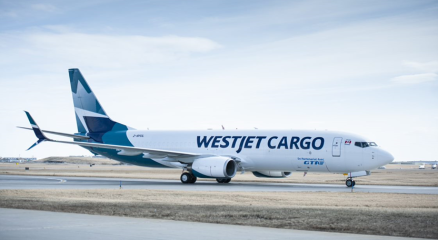
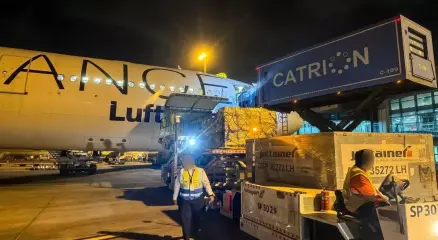
Lufthansa has resumed its Frankfurt-Riyadh passenger service, restoring additional belly-hold cargo capacity between Germany and Saudi Arabia amid strong demand for air freight. The airline restarted the route on September 10, 2026, with three weekly Airbus A340 services, with available cargo capacity reportedly fully utilised from the first day. The renewed connection provides shippers with additional capacity between Frankfurt, one of Europe’s major air cargo gateways, and Riyadh, supporting the movement of time-sensitive and high-value shipments between Europe and Saudi Arabia. Lufthansa Cargo has highlighted the strong initial response from customers following the restoration of the service. The resumption forms part of the Lufthansa Group’s gradual restoration of services to the Middle East following a comprehensive safety and security assessment. The group said it continues to monitor the regional security situation and remains in close contact with relevant authorities. For the air cargo sector, the return of the Frankfurt–Riyadh service is particularly relevant because passenger aircraft belly capacity remains an important component of Lufthansa Cargo’s network. Lufthansa Cargo’s global offering combines dedicated Boeing 777F and Airbus A321F freighters with cargo capacity on passenger aircraft operated by Lufthansa and its partners. The strong cargo uptake on the resumed Riyadh service also highlights continued demand for reliable air freight connectivity to Saudi Arabia. The development comes as the Kingdom continues to strengthen its position as a major commercial and logistics market, while Riyadh expands its role as an important gateway for international trade. The restored connection is expected to provide exporters, importers and logistics providers with greater network flexibility, while strengthening links between the European and Saudi markets. For Lufthansa Cargo, the early utilisation levels underline the importance of restored belly capacity in meeting customer requirements across key Middle Eastern trade lanes. 𝐒𝐭𝐚𝐲 𝐓𝐮𝐧𝐞𝐝 𝐭𝐨 CARGOCONNECT 𝐟𝐨𝐫 𝐥𝐚𝐭𝐞𝐬𝐭 𝐮𝐩𝐝𝐚𝐭𝐞𝐬!



Skyways Air Services has received special recognition from Emirates SkyCargo for its continued support and partnership across key trade lanes. The recognition acknowledges Skyways’ performance, service quality, and longstanding partnership with the carrier, highlighting its contribution to strengthening forwarder–airline cooperation in the air cargo sector. The award was presented by Badr Abbas, Divisional Senior Vice President, Emirates SkyCargo, in the presence of senior Emirates SkyCargo executives from India and the wider West Asia and Indian Ocean region. Yashpal Sharma, Chairman & Managing Director, Skyways Air Services, received the recognition, alongside Rohit Sehgal, Director, Skyways Air Services. Rohit Sehgal said the recognition reflects Skyways’ focus on reliability, customer service and strategic partnerships in air cargo. Skyways said the recognition further supports its efforts to strengthen relationships with global carriers and enhance capacity, connectivity and service levels for customers. Follow CARGOCONNECT for more such updates