
Loading...
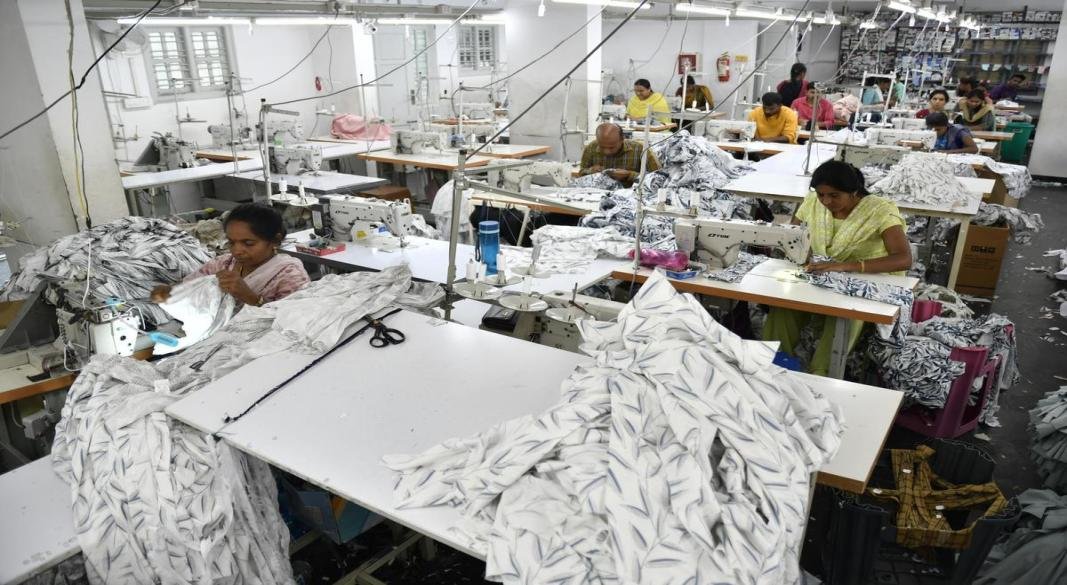
India’s textile exporters are facing pressure after a sharp increase in fuel and LPG prices raised operating costs across key manufacturing hubs, threatening margins and disrupting supply chain stability in export-oriented units.
The impact of the hike is being felt mostly in textile clusters such as Tiruppur and Noida, where manufacturers depend heavily on LPG for dyeing, finishing, washing and steam generation processes.
Industry stakeholders say the increase comes at a difficult time for exporters already operating under fixed-price international contracts while global buyers continue to seek lower sourcing costs. Since many export agreements are negotiated months in advance, manufacturers have limited ability to pass higher fuel expenses on to overseas customers.
Rising energy costs are now adding further strain to manufacturers dealing with weak global demand and growing competition from lower-cost sourcing destinations such as Bangladesh and Vietnam.
In Noida and other apparel hubs in northern India, exporters are also grappling with higher labour expenses following recent revisions to minimum wage rates in Uttar Pradesh. Industry executives warn that the combined effect of increased fuel and labour costs is eroding profitability, particularly for small and medium-sized enterprises with limited financial flexibility.
The pressure on textile supply chains extends beyond fuel pricing alone. Manufacturers across India’s apparel sector are simultaneously facing higher raw material and freight costs linked to ongoing global energy market volatility. Industry reports indicate that disruptions in international energy supply routes and rising crude oil prices have intensified cost pressures throughout the textile production ecosystem.
Several textile clusters have already reported operational challenges tied to LPG availability and pricing volatility. Production scheduling, captive power generation and processing operations are becoming increasingly expensive, forcing some manufacturers to scale back output or absorb additional costs to retain export orders.
Analysts warn that prolonged increases in commercial fuel prices could weaken India’s competitiveness in global textile markets if manufacturers are unable to improve operational efficiency or secure alternative energy sources. Exporters fear that continued cost escalation may eventually shift sourcing orders toward competing manufacturing regions offering lower production costs.
Follow CARGOCONNECT for more such updates.
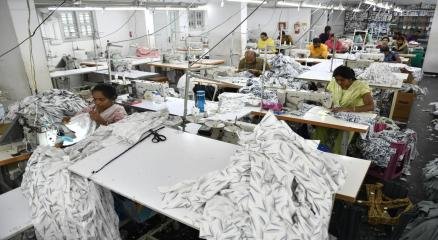
India’s textile exporters are facing pressure after a sharp increase in fuel and LPG prices raised operating costs across key manufacturing hubs, threatening margins and disrupting supply chain stability in export-oriented units. The impact of the hike is being felt mostly in textile clusters such as Tiruppur and Noida, where manufacturers depend heavily on LPG for dyeing, finishing, washing and steam generation processes. Industry stakeholders say the increase comes at a difficult time for exporters already operating under fixed-price international contracts while global buyers continue to seek lower sourcing costs. Since many export agreements are negotiated months in advance, manufacturers have limited ability to pass higher fuel expenses on to overseas customers. Rising energy costs are now adding further strain to manufacturers dealing with weak global demand and growing competition from lower-cost sourcing destinations such as Bangladesh and Vietnam. In Noida and other apparel hubs in northern India, exporters are also grappling with higher labour expenses following recent revisions to minimum wage rates in Uttar Pradesh. Industry executives warn that the combined effect of increased fuel and labour costs is eroding profitability, particularly for small and medium-sized enterprises with limited financial flexibility. The pressure on textile supply chains extends beyond fuel pricing alone. Manufacturers across India’s apparel sector are simultaneously facing higher raw material and freight costs linked to ongoing global energy market volatility. Industry reports indicate that disruptions in international energy supply routes and rising crude oil prices have intensified cost pressures throughout the textile production ecosystem. Several textile clusters have already reported operational challenges tied to LPG availability and pricing volatility. Production scheduling, captive power generation and processing operations are becoming increasingly expensive, forcing some manufacturers to scale back output or absorb additional costs to retain export orders. Analysts warn that prolonged increases in commercial fuel prices could weaken India’s competitiveness in global textile markets if manufacturers are unable to improve operational efficiency or secure alternative energy sources. Exporters fear that continued cost escalation may eventually shift sourcing orders toward competing manufacturing regions offering lower production costs. Follow CARGOCONNECT for more such updates.



The diversification process by Apple continues to progress as India becomes one of the centers for manufacturing operations. Based on an analysis by Smart Analytics Global (SAG), the percentage share of Indian manufacturing of iPhones has increased from 14% in 2024 to 23% in 2025 and further to 28% by 2026, whereas China’s share has decreased from 83% to 74% within the same timeframe. As Apple continues to lower its reliance on China, India is all set to emerge as the major assembly hub for 28 percent of all iPhones exported around the world by 2026, compared to just 23 percent in the prior year. This change is due to the company's overall strategy of spreading its manufacturing operations in order to mitigate potential tariff risks and geopolitical risks, in addition to creating a more flexible manufacturing network beyond China. Based on the estimates of Smart Analytics Global (SAG), China's share in global iPhone production dropped from 83% in 2024 to 74% in 2025, while India's share increased from 14% in 2024 to 23% in 2025. Estimates provided by another market research firm, Counterpoint Research, indicate that India's share in global iPhone manufacturing could increase to approximately 26% in 2026 from 23% in 2025. As per SAG, “India will account for the manufacture of 28 percent of iPhones shipped globally in 2026, rising from 23 percent in 2025. This growth will be fueled by the ongoing diversification of Apple outside China and capacity build-up at existing manufacturers in India like Tata Electronics,” said Abhilash Kumar, an analyst at Smart Analytics Global. According to Tarun Pathak, research director at Counterpoint Research, “Apple's manufacturing partners have substantially increased their manufacturing capacities and assembly lines in India. They have also diversified their product portfolio made in India.” He further stated that the increase in manufacturing capacity of Tata Electronics is another factor aiding the growth. Apple has managed to localize production substantially in India through manufacturers like Foxconn and Tata Electronics. The recent takeover of Wistron and Pegatron in India by the Tata Group represents a huge step forward in Apple’s localization efforts in India. At present, India is assembling a larger number of iPhones, even the latest versions, and has become an important source of exports, targeting countries like the US and European nations. Over the past five years, Apple has manufactured iPhones worth almost $70 billion in India using its PLI scheme, where around $51 billion, or almost 73% of all iPhones manufactured, were exported from India. Moreover, iPhones have become the most exported goods from India during the previous financial year. India has become the biggest beneficiary of Apple’s changing supply chain. From initially assembling iPhones on a smaller scale, it has grown to become a manufacturing cluster for iPhones through government incentives, increased manufacturing capabilities, and the growing presence of suppliers. Several of the most important suppliers and manufacturers for Apple are still highly entrenched within China, allowing the country to enjoy an unrivaled capacity and adaptability when it comes to managing mass-scale productions and product shifts. For more such news and updates, visit CARGOCONNECT.



Wärtsilä Water & Waste, a unit of the Wärtsilä technology group, has entered a strategic partnership with DHL Supply Chain to optimise its warehousing and logistics operations for spare parts management. This collaboration is set to enhance the efficiency of Wärtsilä Water & Waste’s supply chain, reinforcing its operational capabilities in light of its forthcoming sale. The alliance aligns with Wärtsilä Water & Waste’s strategic goal to achieve operational independence while maintaining the high-quality service synonymous with the Wärtsilä brand. By leveraging DHL’s expertise, the partnership aims to reduce lead times and boost operational efficiencies for both current and prospective clients. Cathy Stephenson, Managing Director of Wärtsilä Water & Waste, highlighted, “We’re always striving to improve our operations and our customers’ experience, which this partnership is a great example of. By collaborating with DHL, which shares our dedication to delivering top-tier services and solutions, we also take a significant step forward in achieving operational independence and strategic divestment.” The partnership will also enhance the flexibility of Wärtsilä Water & Waste’s supply chain, enabling the company to quickly adapt to market shifts and customer needs. Access to DHL’s extensive logistics network will ensure more efficient and timely delivery of spare parts, ultimately minimising downtime and enhancing customer satisfaction.