
Loading...
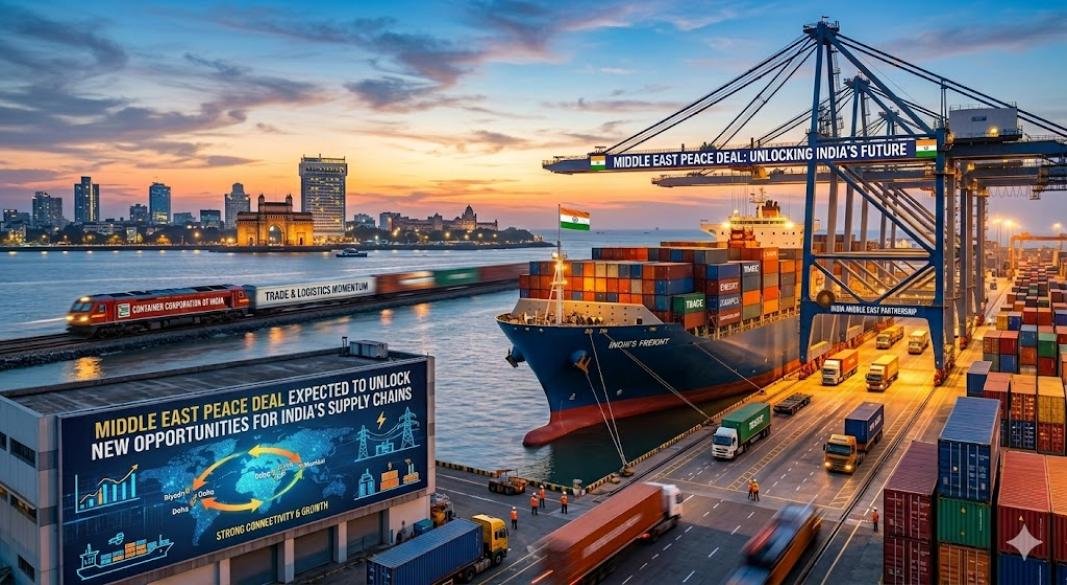
The peace agreement between the United States and Iran could prove to be a significant catalyst for India’s economic growth, trade expansion and supply chain resilience. For a country that relies on imported energy and maintains deep commercial ties with the Gulf region, the easing of geopolitical tensions in West Asia is expected to deliver benefits across logistics, manufacturing, exports and infrastructure sectors.
One of the most immediate gains for India is the decline in crude oil prices. Following the announcement of the peace framework, global oil benchmarks fell sharply amid expectations of increased Iranian oil supply and the reopening of the Strait of Hormuz, one of the world’s most critical maritime energy corridors. Lower oil prices could significantly reduce India’s import bill, ease inflationary pressures and improve the country’s current account balance. Analysts estimate that sustained lower crude prices could save India billions of dollars annually in energy imports.
For the logistics and supply chain sector, stability in the Middle East is equally important. The Strait of Hormuz handles a substantial share of global oil and gas shipments, including a large portion of India’s energy imports. During the recent conflict, shipping routes faced disruptions, insurance premiums rose and freight costs increased. A return to normal maritime operations is expected to improve vessel availability, reduce transit risks and bring greater predictability to supply chains.
Indian exporters are also preparing for a rebound in demand across Gulf Cooperation Council (GCC) markets. Several sectors including engineering goods, construction materials, food products, consumer goods and project services have significant exposure to the Middle East. With businesses in the region resuming investment plans and infrastructure projects, Indian companies are strengthening production schedules and securing shipping capacity to capitalize on renewed opportunities.
The peace agreement could further strengthen India’s strategic connectivity ambitions. Improved regional stability may enhance the prospects of trade corridors linking India with the Middle East and Europe while also supporting the development of key infrastructure projects such as Iran’s Chabahar Port. Enhanced connectivity can reduce logistics costs, improve market access and diversify trade routes for Indian businesses.
Financial markets have already responded positively to the easing tensions. Indian equities have gained amid expectations of lower energy costs and stronger trade flows, with sectors such as infrastructure, ports, aviation and exports expected to benefit the most.
While the agreement remains subject to successful implementation, its potential impact on India is substantial. Lower energy costs, smoother trade flows, improved maritime security and renewed economic activity across West Asia could collectively accelerate India’s growth trajectory and strengthen its position as a leading global trade and logistics hub.
𝐒𝐭𝐚𝐲 𝐓𝐮𝐧𝐞𝐝 𝐭𝐨 CARGOCONNECT 𝐟𝐨𝐫 𝐥𝐚𝐭𝐞𝐬𝐭 𝐮𝐩𝐝𝐚𝐭𝐞𝐬!
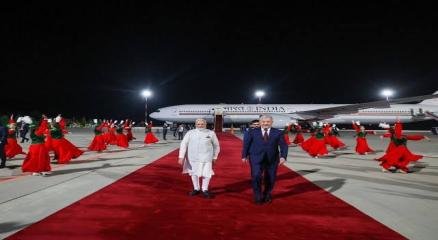
Prime Minister Narendra Modi arrived in Kyrgyzstan on Sunday to attend the 26th Shanghai Cooperation Organisation (SCO) Summit, where leaders are expected to discuss regional security, economic cooperation and ways to deepen engagement among member countries. Modi travelled to Bishkek at the invitation of Kyrgyz President Sadyr Zhaparov, following the conclusion of his two-day state visit to Uzbekistan. His participation at the summit comes as the SCO marks 25 years of its existence and as India continues to strengthen its economic and connectivity links with Central Asia. The summit will bring together leaders of SCO member states for discussions on regional and international developments and on expanding cooperation within the grouping. For India, the meeting provides an opportunity to advance its engagement with Central Asian economies, including on trade, transport connectivity and infrastructure. Modi's Kyrgyzstan visit follows a series of agreements reached during his Uzbekistan trip. India and Uzbekistan upgraded their relationship to a Comprehensive Strategic Partnership and agreed to cooperate across areas including trade and investment, infrastructure, digital public infrastructure, artificial intelligence, critical minerals, energy, agriculture, pharmaceuticals and space. The two countries have also set an objective of increasing bilateral trade to $5 billion by 2030, compared with more than $1 billion currently. Improving market access, connectivity and banking and payment mechanisms has been identified as part of the effort to expand commercial ties. For the logistics and supply-chain sector, deeper engagement with Central Asia is particularly relevant as India seeks greater access to markets in the region and improved trade corridors connecting the country with landlocked Central Asian economies. Infrastructure and connectivity remain important factors in determining the cost and reliability of such trade. Follow CARGOCONNECT for more such updates.
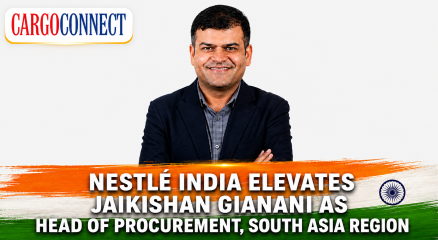
Nestlé India has elevated Jaikishan Gianani to the position of Head of Procurement for the South Asia region, effective 1st August 2026. Gianani brings extensive experience across procurement, supply chain operations, commodities and sustainability to the new leadership role. His career at Nestlé has included responsibilities spanning strategic sourcing, raw material procurement, packaging procurement, factory supply chain and supply chain projects. Over the years, he has worked across a broad range of procurement categories, including oils and fats, coffee, chicory, tea and other agricultural commodities. He has also handled global commodity procurement responsibilities covering regions across Asia, Africa, the Middle East and Oceania. Gianani holds an MBA from S.P. Jain Institute of Management & Research and a B.Tech degree from the National Institute of Technology, Durgapur. His experience extends beyond conventional sourcing. During his tenure as Head of Packaging Procurement and Lead for Sustainable Packaging in South Asia, he was involved in initiatives focused on packaging optimisation, recyclability and reducing the use of virgin plastic. His operational exposure also includes leadership of supply chain activities at Nestlé’s Nanjangud and Choladi factories, followed by a corporate procurement role. More recently, he has been associated with procurement of agri commodities and food ingredients at Nestlé. The new assignment places Gianani at the centre of Nestlé’s procurement agenda for South Asia, where supplier partnerships, commodity risk management, cost efficiency, sustainability and supply resilience remain important priorities. His experience across strategic sourcing and end-to-end supply chain functions is expected to support the company’s procurement objectives in the region. 𝐒𝐭𝐚𝐲 𝐓𝐮𝐧𝐞𝐝 𝐭𝐨 CARGOCONNECT 𝐟𝐨𝐫 𝐥𝐚𝐭𝐞𝐬𝐭 𝐮𝐩𝐝𝐚𝐭𝐞𝐬!
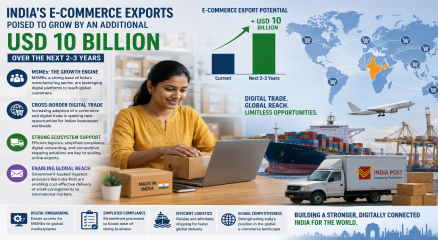
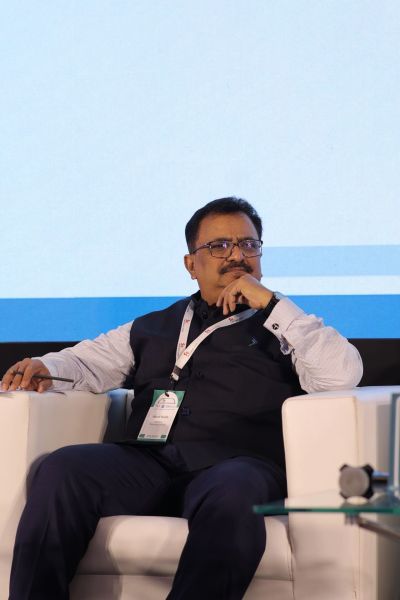
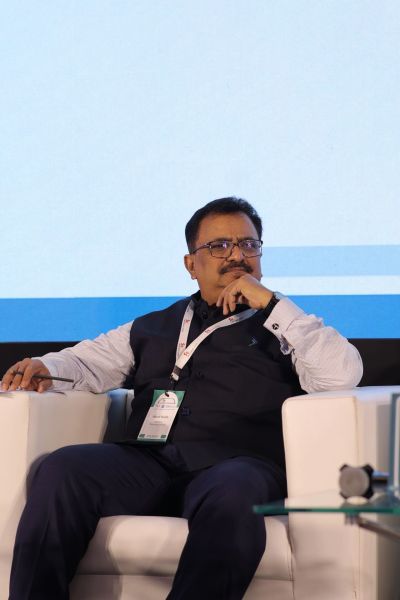
India's e-commerce exports have the potential to grow by an additional USD 10 billion over the next two to three years, supported by the country's large base of micro, small and medium enterprises (MSMEs) and increasing adoption of cross-border digital trade, according to a senior official from the Directorate General of Foreign Trade (DGFT). Speaking at an industry event, Rajesh Kumar Mishra, Additional Director General at DGFT, said India is well positioned to expand its presence in global e-commerce exports by leveraging its manufacturing capabilities and growing network of online marketplaces. He noted that while countries such as China generate significantly higher e-commerce export volumes, India has considerable scope to scale up its cross-border trade. The projected growth is expected to be driven primarily by MSMEs, which account for a substantial share of India's manufacturing sector. Digital commerce platforms are enabling these businesses to reach international consumers directly, reducing barriers traditionally associated with overseas trade. Officials also highlighted the importance of strengthening the ecosystem supporting online exports. Efficient logistics, simplified regulatory compliance, digital onboarding, and competitive shipping solutions are expected to play a key role in helping small exporters expand their global footprint. Government-backed logistics providers, including India Post, were identified as important enablers for cost-effective delivery of small consignments to overseas markets. The growth outlook aligns with the government's broader objective of increasing India's export competitiveness through digital trade. As more businesses adopt e-commerce channels, online exports are expected to become an increasingly important contributor to the country's overall export basket, while creating new opportunities for MSMEs to access international markets. Follow CARGOCONNECT for more such updates.