
Loading...
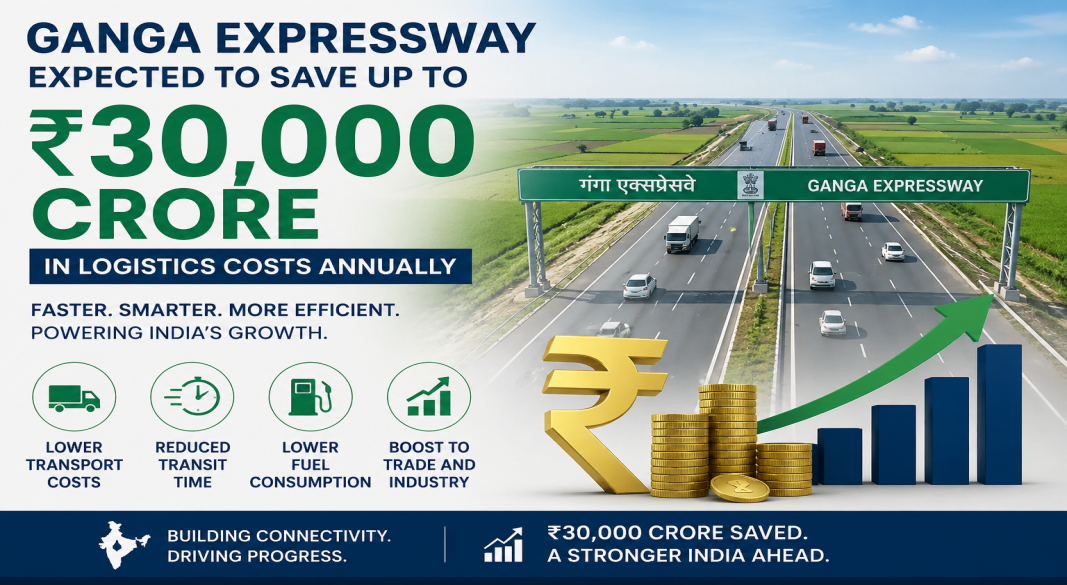
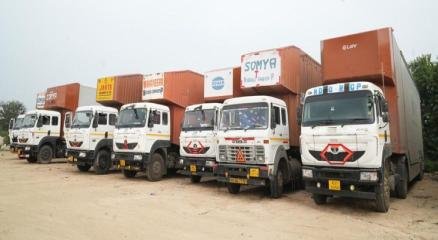
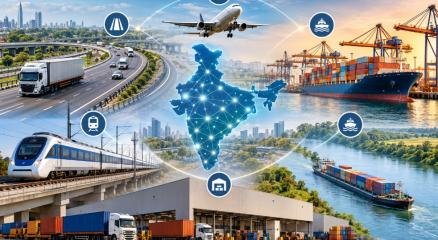
The newly operational Ganga Expressway is expected to sharply reduce freight transit time across Uttar Pradesh and generate annual logistics savings of as much as ₹30,000 crore, according to state government estimates and logistics industry executives. The corridor is also likely to accelerate industrial and warehousing activity along one of north India’s largest freight routes.
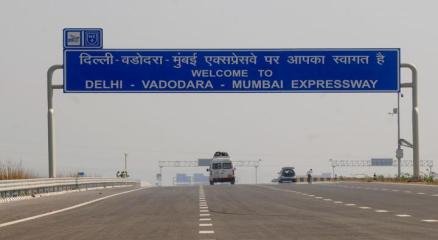
Stretching 594 kilometres between Meerut and Prayagraj, the six-lane expressway, which is designed for future expansion to eight lanes, passes through 12 districts and creates a direct high-speed road link between western Uttar Pradesh and the eastern part of the state.
The improved corridor is expected to have a significant impact on freight movement in a state that handles hundreds of millions of tonnes of cargo annually, including agricultural produce, construction materials, retail goods, electronics and leather products. Industry observers believe the expressway could ease congestion on existing routes and improve delivery predictability for transport operators.
Uttar Pradesh Industrial Development Minister Nand Gopal Gupta said the project was being positioned not only as a transport network but also as a logistics and manufacturing corridor. According to the state government, nearly 987 investment proposals worth around ₹46,660 crore have already been linked to the expressway region. Authorities are also planning 12 industrial nodes spread across more than 6,500 acres.
Sectors expected to benefit include manufacturing, food processing, pharmaceuticals, textiles, warehousing, electronics and e-commerce. Faster movement of goods is also expected to support supply chain efficiency in Tier-2 and Tier-3 cities across Uttar Pradesh, where logistics infrastructure has historically lagged behind larger urban centres.
Logistics companies say the expressway could reduce dependence on older freight routes connecting the National Capital Region with eastern Uttar Pradesh. Industry executives also expect lower fuel consumption, shorter turnaround times and reduced inventory holding costs for businesses operating across the corridor.
The expressway, inaugurated in April this year, forms part of Uttar Pradesh’s broader infrastructure expansion strategy aimed at strengthening industrial connectivity and attracting private investment into logistics and manufacturing clusters.
Follow CARGOCONNECT for more such updates.
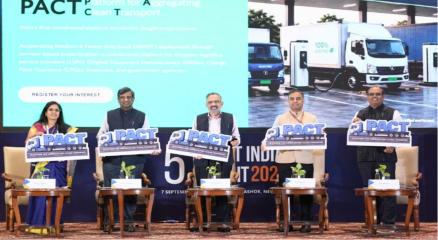
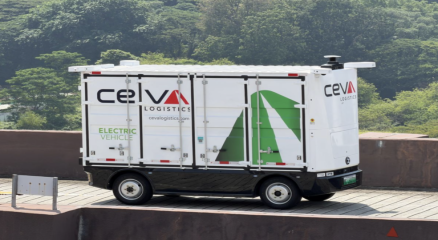
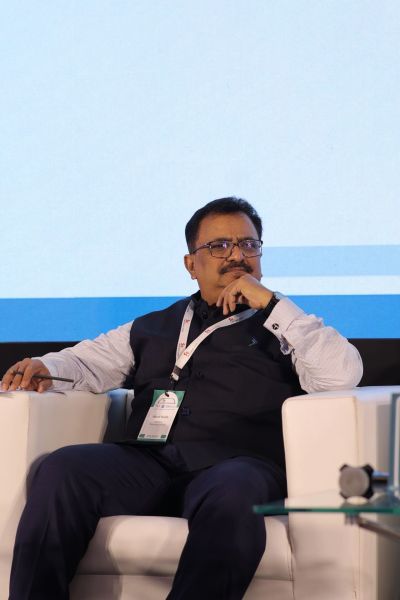
New Delhi: NITI Aayog-led e-FAST India has launched the Platform for Aggregating Clean Transport (PACT) to accelerate the deployment of zero-emission trucks and strengthen the commercial case for electric freight in India. Rajiv Gauba, Member, NITI Aayog, launched the platform at the 5th e-FAST India Summit 2026. PACT is designed to aggregate freight demand from shippers, logistics service providers (LSPs) and other stakeholders and translate that demand into electric-truck deployment opportunities across identified freight corridors. The initiative brings together key participants across the electric freight ecosystem, including shippers, LSPs, vehicle manufacturers, financiers, charge point operators and technology providers. By creating greater visibility around freight demand, PACT aims to help stakeholders plan charging infrastructure, improve access to financing and support larger-scale deployment of electric medium- and heavy-duty vehicles (e-MHDVs). The platform comes as India's electric freight market moves beyond small-scale pilots. E-freight vehicle deployments increased more than fourfold, from 201 vehicles in FY2024-25 to 826 in FY2025-26, while more than 3,000 electric medium- and heavy-duty trucks are now operating across the country. NITI Aayog said sustaining this growth will require greater coordination across the ecosystem, particularly in aggregating freight demand, developing charging infrastructure, improving financing access and providing greater certainty to fleet operators and investors. Speaking at the summit, Gauba said the next phase of India's electric freight transition would depend on collaboration across the ecosystem. He highlighted innovative financing models, corridor-based charging infrastructure and market-driven partnerships as important levers for accelerating the commercial adoption of electric trucks. Alongside PACT, the summit also introduced the ZET Marketplace, an interactive business platform intended to connect e-truck manufacturers, LSPs, charge point operators, financiers and technology companies. The marketplace will allow participating companies to showcase products, identify commercial opportunities and develop partnerships for zero-emission freight projects. Discussions at the summit focused on financing and de-risking mechanisms, charging infrastructure, policy priorities and lessons from early electric-freight deployments. A central theme was the need to move beyond individual demonstration projects towards coordinated, commercially viable deployments at scale. Follow CARGOCONNECT for more such updates.
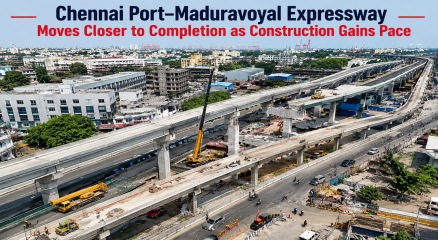
Construction of the long-delayed Chennai Port–Maduravoyal elevated corridor has entered an accelerated phase, with authorities targeting completion by November 2027 to improve cargo evacuation from Chennai Port and ease freight congestion across the city. The 20.5-km four-lane elevated expressway, being developed by the National Highways Authority of India (NHAI), is designed primarily to facilitate seamless movement of container traffic between Chennai Port and the city’s outer road network. The project is expected to significantly reduce transit delays for trucks transporting export-import cargo. The expressway project, originally conceived more than a decade ago, has faced repeated interruptions due to legal disputes, environmental concerns and changes in design alignment. Construction activity had remained stalled for years before being revived with revised plans and fresh clearances. Once operational, the dedicated freight corridor is expected to reduce heavy vehicle movement on congested arterial roads within Chennai, particularly in areas surrounding the port. Industry stakeholders believe the infrastructure will improve turnaround time for container trucks and strengthen the efficiency of cargo movement linked to one of India’s busiest ports. The elevated corridor will connect Chennai Port directly to Maduravoyal on National Highway 48, creating faster access to industrial clusters and hinterland markets in Tamil Nadu and neighbouring states. Logistics operators have long argued that the absence of a dedicated evacuation corridor has contributed to delays, higher fuel consumption and operational inefficiencies for cargo transporters serving the port. According to project authorities, the revised execution strategy includes parallel construction packages and tighter monitoring mechanisms aimed at avoiding further delays. Several supporting activities, including drainage works and relocation of utilities, are also being carried out alongside the main structural construction. The project is considered strategically important for Chennai Port’s long-term cargo handling competitiveness, particularly as container volumes continue to grow and pressure on urban transport infrastructure increases. Analysts say the dedicated elevated link could help improve supply chain reliability for exporters and importers dependent on the port. The Chennai Port–Maduravoyal corridor is among the major port connectivity infrastructure projects being pursued to strengthen multimodal logistics efficiency and reduce urban freight congestion in key maritime gateways across India. Follow CARGOCONNECT for more such updates.


Tata Motors has further deepened its digital logistics capabilities by acquiring an additional stake in Freight Commerce Solutions (Freight Tiger) for ₹95.66 crore, marking a strategic move to strengthen its end-to-end supply chain technology ecosystem in India’s commercial vehicle sector. The acquisition involves the purchase of approximately an 18% equity stake from existing investors, which will take Tata Motors’ total holding in Freight Tiger to around 63.6% on a fully diluted basis. With this transaction, Freight Tiger will become a subsidiary of Tata Motors, further integrating its operations with the automaker’s connected vehicle and logistics platforms. Freight Tiger, founded in 2014 and headquartered in Mumbai, operates a SaaS-enabled logistics marketplace and Transportation Management System (TMS). The platform connects shippers, fleet owners, and logistics service providers through a digital ecosystem designed to improve freight visibility, efficiency, and cost optimisation across India’s fragmented logistics sector. According to regulatory disclosures, the transaction was completed as a cash deal on May 15, 2026, and involved shares acquired from early investors, including venture capital and private equity stakeholders. The deal did not require additional regulatory approvals, streamlining the acquisition process. Tata Motors stated that the integration of Freight Tiger with its connected vehicle platform, Fleet Edge, will enable the creation of a comprehensive digital ecosystem covering both vehicle operations and freight movement. This combined system aims to improve real-time tracking, fleet utilisation, trip planning, and logistics coordination across the value chain. The company has been steadily increasing its exposure to logistics technology in recent years. Earlier investments in Freight Tiger signalled Tata Motors’ intent to move beyond manufacturing into mobility solutions and data-driven logistics services. This latest acquisition strengthens that strategy, positioning the company to play a larger role in India’s rapidly digitising supply chain landscape. Freight Tiger has demonstrated consistent revenue growth, reporting ₹26.7 crore in FY25, compared to ₹17.8 crore in FY24. Industry observers expect the integration to accelerate platform adoption as Tata Motors leverages its extensive commercial vehicle network. The acquisition also aligns with broader industry trends, where automakers are increasingly investing in software-led logistics solutions to improve efficiency and reduce operational costs in freight movement. As India’s logistics sector continues to modernise, Tata Motors’ expanded stake in Freight Tiger signals a clear push toward building a unified, technology-driven freight ecosystem. 𝐒𝐭𝐚𝐲 𝐓𝐮𝐧𝐞𝐝 𝐭𝐨 https://cargoconnect.co.in/ 𝐟𝐨𝐫 𝐥𝐚𝐭𝐞𝐬𝐭 𝐮𝐩𝐝𝐚𝐭𝐞𝐬!