
Loading...

Swissport has expanded its European air cargo operations with the launch of Swissport Cargo Services France at EuroAirport Basel-Mulhouse, marking the company’s return to the French market. The new operation is supported by a 3,000-square-metre cargo warehouse in the French sector of the airport and is designed to provide a platform for future growth. The new facility comprises a 1,000-square-metre French customs zone and 2,000 square metres of international cargo handling space. The latter will support the build-up and breakdown of airline pallets, strengthening Swissport’s ability to handle cargo flows through the strategically located airport. Initially, Swissport Cargo Services France will focus on airline cargo handling. Although the new entity will operate independently within the French market, it will work closely with Swissport’s established Basel cargo operation. This approach will enable the company to leverage local expertise while applying its global standards for safety, quality and operational efficiency. “France is an important aviation market with significant long-term potential for Swissport,” says Bruno Stefani, Regional CEO Switzerland, Italy and France at Swissport. “The launch of Swissport Cargo Services France marks a significant step in strengthening our presence in the country. Beyond cargo, we see opportunities to bring our global expertise in airport ground services and hospitality to the French market and to build strong, long-term partnerships with airlines and airports.” The new operation also builds on Swissport’s longstanding presence at EuroAirport. The company has served airlines at Basel since 1994 and already operates a cargo facility at the airport. In 2024, Swissport handled more than 47,000 tonnes of cargo at the site, highlighting the importance of EuroAirport as a gateway for international freight, including pharmaceutical shipments. “The new operation allows us to build on the strong expertise of our established Basel cargo team while developing a dedicated presence in France,” said Andreas Behnke, Head of Cargo Switzerland, Italy and France and Station Manager Basel-Mulhouse at Swissport. “Our focus is on bringing the same commitment to teamwork, safety and operational excellence to our new operation and providing a strong foundation for its future development.” The launch further strengthens Swissport’s European cargo network, which forms part of a global network of more than 120 cargo centres. The company handles more than five million tonnes of air freight annually worldwide, combining international scale with local operational capabilities. 𝐒𝐭𝐚𝐲 𝐓𝐮𝐧𝐞𝐝 𝐭𝐨 CARGOCONNECT 𝐟𝐨𝐫 𝐥𝐚𝐭𝐞𝐬𝐭 𝐮𝐩𝐝𝐚𝐭𝐞𝐬!

Worldwide Flight Services (WFS), a SATS company, has inaugurated a new air cargo terminal at Lyon-Saint Exupéry Airport in France, strengthening cargo-handling capacity and consolidating its operations at one location within the airport’s CargoPort zone. The Aéroport de Lyon DC1 facility is directly connected to the airport’s airside infrastructure and has been designed to improve cargo flows, operational efficiency and supply chain reliability. The 25,313-square-metre facility, developed by logistics real estate company Prologis with Groupe em2c overseeing design, construction coordination and technical supervision, represents WFS’ second-largest operation in France after Paris Charles de Gaulle. WFS has operated at Lyon Airport since 1971 and will now centralise its local activities at the new terminal, supporting 380 customers in the region. The facility comprises 19,200 square metres of warehouse space across three cargo-handling units, including 4,400 square metres of temperature-controlled cold-storage areas. It also features 36 loading doors, including five dedicated to air freight pallet transfers, enabling smoother movement between landside access, cargo-handling areas and airside operations. The new terminal is particularly positioned to support high-value and temperature-sensitive cargo, including pharmaceuticals, healthcare products, biotechnology shipments and perishables. The development is expected to strengthen Lyon’s role in national and European logistics flows, while supporting more than 300 direct and indirect jobs associated with the facility. Laurent Bernard, Vice-President France at WFS, said: “Aéroport de Lyon DC1 represents a new milestone for WFS in Lyon, where we first commenced operations in 1971. Its design, temperature-controlled areas, and organisation of cargo flows enable us to strengthen our capacity and operational efficiency to handle sensitive and high value goods for our airline and freight forwarder customers. Given Lyon’s strategically important location, industrial base, and high-value economic sectors, this new generation of logistics infrastructure reinforces Lyon’s position in national and European logistics flows and will strengthen the economic attractiveness of the region.” The facility is also targeting a BREEAM ‘Very Good’ rating, with sustainability considerations incorporated into its design. Its roof is solar-ready to accommodate a future photovoltaic installation. The project brings together Aéroports de Lyon, WFS, Prologis and Groupe em2c, creating infrastructure tailored to the evolving requirements of air cargo. 𝐒𝐭𝐚𝐲 𝐓𝐮𝐧𝐞𝐝 𝐭𝐨 CARGOCONNECT 𝐟𝐨𝐫 𝐥𝐚𝐭𝐞𝐬𝐭 𝐮𝐩𝐝𝐚𝐭𝐞𝐬!

Ethiopian Airlines has signed an agreement with Boeing for 10 new freighter aircraft, comprising eight 777-8 Freighters and two 777 Freighters, as the African carrier moves to strengthen its cargo capacity and support the expansion of its global air freight network. The agreement, announced on September 30, also includes an option for eight additional 777-8 Freighters. The order makes Ethiopian Airlines the first African carrier to purchase Boeing’s new-generation 777-8 Freighter. The aircraft is designed to combine the capabilities of the 777X family with long-haul freighter performance. Boeing says the 777-8F will offer a maximum structural payload of 118 tonnes, while providing the range and efficiency needed to support new cargo markets. Mesfin Tasew, Group CEO of Ethiopian Airlines, said: "The addition of the Boeing 777-8F Freighters and 777F Freighters will enhance our ability to serve customers around the world with greater payload capacity, operational flexibility, efficiency, and sustainability. As demand for cargo services continues to grow, these aircraft will play a vital role in facilitating global trade, strengthening supply chain connectivity, and further reinforcing Ethiopia's position as a leading cargo gateway between Africa and international markets. It also marks our long-term partnership with Boeing." "Ethiopian Airlines' order for the industry-leading 777 Freighter and new 777-8 Freighter highlights both the strength of our partnership and growing demand for air cargo worldwide," said Brad McMullen, Boeing senior vice president of Commercial Sales and Marketing. "We appreciate Ethiopian Airlines' continued confidence in Boeing and the 777 and 777X family of airplanes as it expands its cargo capabilities and global network. The airline continues to make history as the first in Africa to order the new 777-8 Freighter." Ethiopian Airlines currently operates 12 Boeing 777 Freighters, two 767 Freighters and four 737-800SF aircraft, serving more than 70 cargo markets across Africa, Asia, Europe, the Middle East and North America. The new aircraft are expected to provide additional flexibility and capacity as global demand for air cargo continues to rise. The deal further expands Ethiopian Airlines’ relationship with Boeing and doubles its existing 777X family order book, following its earlier purchase of eight 777-9 passenger aircraft. 𝐒𝐭𝐚𝐲 𝐓𝐮𝐧𝐞𝐝 𝐭𝐨 CARGOCONNECT 𝐟𝐨𝐫 𝐥𝐚𝐭𝐞𝐬𝐭 𝐮𝐩𝐝𝐚𝐭𝐞𝐬!

Cathay Cargo has introduced an AI-assisted screening capability designed to help customers identify potential permit and trade-control requirements earlier in the air cargo shipment process, strengthening compliance as international trade regulations become increasingly complex. The new digital capability uses artificial intelligence-assisted language analysis to assess shipment information against relevant trade-control requirements covering imports, exports and transhipments. Unlike conventional screening processes that depend largely on keyword matching, the system is designed to interpret the context of goods descriptions and identify potential links to applicable control-list requirements. The additional layer of digital screening is intended to give shippers greater visibility of regulatory obligations before cargo enters Cathay Cargo’s network. It can also help reduce the risk of shipment delays or disruptions arising from unidentified compliance requirements. However, shippers remain responsible for providing accurate and complete cargo declarations, while human oversight continues to be an integral part of the process. Cathay Cargo Director Cargo Dominic Perret said: “As global trade requirements continue to evolve, what customers value most is certainty — knowing that obligations are identified before a shipment moves, not after. Leveraging this new AI-assisted screening and clearer operational context for our frontline teams, Cathay Cargo is strengthening our ability to identify potential compliance requirements earlier, keep information accurate throughout the shipment journey, and facilitate safe, reliable and responsible cargo movement.” Alongside the AI capability, Cathay Cargo has redesigned its frontline display to present screening alerts and regulatory information more clearly. Operational teams can see why a shipment has been flagged and determine the follow-up action required, enabling them to prioritise alerts and address potential compliance issues before cargo moves through the network. The initiative builds on Cathay Cargo’s broader digitalisation and AI strategy. The carrier already uses AI-assisted technologies in areas including lithium-battery screening, predictive safety analysis and AI-enhanced CCTV at its cargo terminals. Perret added: “Through digital innovation and AI, Cathay Cargo continues to set the new industry standards that will shape the future of air cargo. The value of this enhancement is in how dense regulatory requirements are made clearer and more actionable for our people. Pairing digital intelligence with operational expertise creates better outcomes for customers, regulators and the wider air cargo community. We will continue to enhance the capability through operational feedback and compliance reviews.” As global trade controls continue to evolve, Cathay Cargo said it will further refine the screening capability through operational feedback and compliance reviews, reinforcing its focus on secure, compliant and efficient cargo movement. 𝐒𝐭𝐚𝐲 𝐓𝐮𝐧𝐞𝐝 𝐭𝐨 CARGOCONNECT 𝐟𝐨𝐫 𝐥𝐚𝐭𝐞𝐬𝐭 𝐮𝐩𝐝𝐚𝐭𝐞𝐬!
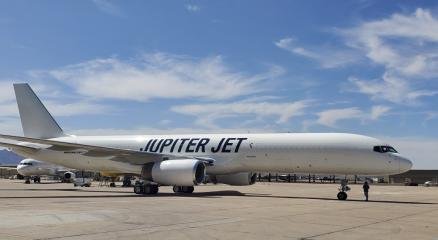
Kazakhstan-based cargo airline Jupiter Jet is rebuilding its operations with the addition of a leased Boeing 757-200 passenger-to-freighter (P2F) aircraft from AerSale, marking an important step in the carrier’s plans to expand its regional and international freight network. The Boeing 757-200PCF is Jupiter Jet’s first aircraft as it resumes operations and is expected to support cargo services across Central Asia and neighbouring markets. The aircraft offers a combination of payload capability, operating economics and range, making it suitable for express cargo and e-commerce networks, particularly across the region. The addition of the freighter strengthens Jupiter Jet’s fleet and provides the carrier with increased operational flexibility as demand for reliable air cargo capacity continues to grow. Jupiter Jet serves Kazakhstan and surrounding markets, offering freight solutions across Central Asia and beyond. “We are pleased to support Jupiter Jet’s fleet expansion with this Boeing 757 freighter,” said Craig Wright, Senior Vice President and Head of Asset Management at AerSale. “The 757 remains one of the industry’s most versatile and dependable medium-haul freighters, and this lease demonstrates AerSale’s ability to provide tailored fleet solutions that help operators meet evolving market demand,” he added. For Jupiter Jet, the aircraft is expected to provide the performance and economics required to develop its expanding cargo network. The airline has retained its air operator certificate during its period of suspended operations and is now using the Boeing 757 to rebuild its presence in the regional freight market. “We are excited to add the Boeing 757 freighter to our fleet through our partnership with AerSale,” said Erik Kozbagarov, Chief Executive Officer of Jupiter Jet. “The aircraft’s performance and economics make it an excellent fit for our expanding cargo network, allowing us to better serve our customers while positioning Jupiter Jet for continued growth,” he added. The lease also adds another Boeing 757 freighter to AerSale’s growing Central Asian cargo portfolio, following its earlier agreement with Tashkent-based Stratos Freight for a Boeing 757-200 Precision Converted Freighter. AerSale’s aircraft leasing platform supports operators worldwide with fleet solutions backed by capabilities spanning aircraft and component maintenance, repair and overhaul (MRO), engine solutions, used serviceable material (USM) and asset management. 𝐒𝐭𝐚𝐲 𝐓𝐮𝐧𝐞𝐝 𝐭𝐨 CARGOCONNECT 𝐟𝐨𝐫 𝐥𝐚𝐭𝐞𝐬𝐭 𝐮𝐩𝐝𝐚𝐭𝐞𝐬!

Cathay Cargo has shifted its Mumbai freighter operations to Navi Mumbai International Airport (NMIA), effective September 21, 2026, strengthening dedicated freighter connectivity from the Mumbai region. The carrier is operating three dedicated freighter flights per week from NMIA, using Boeing 747-400ERF and Boeing 747-8F aircraft. The services provide robust main-deck capacity and nose-door loading capabilities, enabling the handling of oversized, heavy and other specialised cargo. From its Hong Kong hub, Cathay Cargo connects Indian customers with key markets across the Chinese Mainland, Southeast Asia, North America and other international destinations. The relocation is expected to support the growing movement of Indian manufacturing and export cargo by providing direct freighter connectivity to Cathay Cargo’s global network through Hong Kong. The move also strengthens Western India’s access to international cargo markets at a time when freighter operations are shifting towards Navi Mumbai. Cathay Regional Head of Cargo for South Asia, the Middle East, and Africa, Rajesh Menon said, “The move of our Mumbai freighter operations to Navi Mumbai International Airport reinforces our steadfast commitment to the Indian market and its growth trajectory. By combining NMIA's modern infrastructure with our dedicated freighter presence and our ‘We Know How’ expertise, we are providing reliable connectivity and specialist handling for local enterprises, exporters and SMEs. This will also further strengthen connectivity between Western India’s exporters and key global markets through our Hong Kong hub." In addition to its Navi Mumbai International Airport freighter service, Cathay Cargo continues to operate its dedicated freighter network across India, operating five weekly freighter flights from Delhi and Chennai, respectively. Cathay Cargo’s “We Know How” approach is supported by specialist solutions including Cathay Expert for odd-sized, heavy and project cargo; Cathay Pharma for temperature-controlled pharmaceuticals and vaccines; Cathay Fresh for perishables and seafood; Cathay Priority for time-critical commercial shipments; and Cathay Live for specialised live-animal transportation. Its specialist cargo solutions and Hong Kong cargo terminal are supported by IATA CEIV certifications covering Pharma, Fresh, Live Animals and Lithium Batteries. In addition to its freighter network, Cathay Cargo leverages belly-hold capacity on Cathay Pacific passenger services from Mumbai, Delhi, Chennai, Bengaluru and Hyderabad, with 45 passenger flights per week across these five Indian gateways. 𝐒𝐭𝐚𝐲 𝐓𝐮𝐧𝐞𝐝 𝐭𝐨 CARGOCONNECT 𝐟𝐨𝐫 𝐥𝐚𝐭𝐞𝐬𝐭 𝐮𝐩𝐝𝐚𝐭𝐞𝐬!

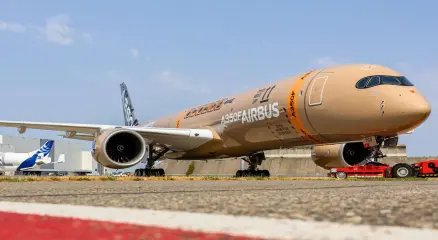
Airbus is set to take a major step in the development of its next-generation freighter, with the A350F scheduled to make its maiden flight on 29 September 2026 from Toulouse, France. The first flight marks a significant milestone for Airbus as it seeks to strengthen its position in the large widebody freighter market. The flight is scheduled for 10:20 a.m. local time in Toulouse and is expected to be broadcast live by Airbus. However, the manufacturer has stated that the event remains subject to operational requirements and weather conditions. The first flight-test aircraft, MSN700, registered F-WXLD, has been undergoing final ground preparations. On 24 September, the aircraft completed two high-speed rejected-takeoff tests at Toulouse, supporting preparations for its transition to flight testing. The A350F is a purpose-built freighter derived from the A350 family. Its configuration combines the forward fuselage of the A350-900 with the rear fuselage and wings of the larger A350-1000, creating a unique aerodynamic profile that requires dedicated flight testing. Airbus plans a certification campaign involving approximately 400 flight hours across two test aircraft. MSN700 will primarily support testing of aerodynamic performance, handling characteristics and the autopilot, while the second aircraft, MSN701, will focus on systems testing, including air-conditioning and fire and smoke evaluations. Airbus has indicated that certification and first customer deliveries remain targeted for 2027. The A350F is designed for a payload of more than 110 tonnes and is intended to address growing demand for efficient, modern large freighters. Its development also comes as the air cargo industry prepares for tighter emissions requirements affecting older-generation freighter designs. With the A350F competing in the emerging new-generation widebody freighter segment alongside Boeing’s 777-8F, its maiden flight will be closely watched by airlines, cargo operators and the wider global air freight industry. 𝐒𝐭𝐚𝐲 𝐓𝐮𝐧𝐞𝐝 𝐭𝐨 CARGOCONNECT 𝐟𝐨𝐫 𝐥𝐚𝐭𝐞𝐬𝐭 𝐮𝐩𝐝𝐚𝐭𝐞𝐬!

Cathay Cargo is set to increase freighter capacity to the Americas from September 2026 as it prepares for the upcoming air cargo peak season and responds to sustained demand for technology-related shipments across its transpacific network. The additional capacity is aimed at balancing growing cargo volumes with available lift while supporting further demand through the peak period. According to Cathay Cargo, cargo demand remained positive through the summer, driven particularly by shipments of semiconductors and data-centre equipment from Asia to transpacific markets. The carrier also reported rising volumes of lithium batteries moving from Northeast Asia and the Greater Bay Area through its Hong Kong hub. Cargo carried across its network grew by 6% year on year in July, highlighting the continued strength of demand ahead of the traditional peak season. Alongside the additional transpacific capacity, Cathay Cargo is preparing to introduce a leased Airbus A330 freighter in the fourth quarter. The aircraft is being converted from a passenger aircraft in Shanghai and will be operated on Cathay Cargo’s behalf by Air Hong Kong, its wholly owned Cathay Group subsidiary. The aircraft is expected to provide additional capacity to address growing regional demand for general cargo. Cathay Cargo is also placing emphasis on handling specialised shipments safely and efficiently. The carrier said it is working with shippers and freight forwarders to align operational checklists with the requirements of growing volumes of AI chips, server racks and vibration-sensitive wafer steppers, while strengthening safety processes for lithium-ion battery shipments. Beyond aircraft capacity, Cathay Cargo is continuing to develop intermodal connectivity through its Hong Kong hub and the wider Greater Bay Area. The carrier is expanding air, land and sea links, while working towards a connected intermodal smart port supported by a Port Community System designed to provide a single view of shipment tracking. The capacity additions come as Cathay Cargo positions its network to accommodate evolving technology-driven cargo flows and higher volumes during the 2026 peak season. 𝐒𝐭𝐚𝐲 𝐓𝐮𝐧𝐞𝐝 𝐭𝐨 CARGOCONNECT 𝐟𝐨𝐫 𝐥𝐚𝐭𝐞𝐬𝐭 𝐮𝐩𝐝𝐚𝐭𝐞𝐬!
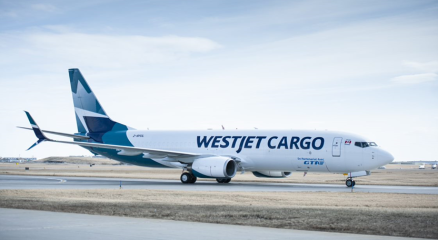
WestJet Cargo has appointed AVIAREPS as its General Sales Agent (GSA) in India, giving the aviation services company nationwide responsibility for cargo sales, customer engagement and market development. The appointment is aimed at strengthening WestJet Cargo’s commercial presence and relationships across the Indian air cargo market. Under the new mandate, AVIAREPS will represent WestJet Cargo, the cargo business of Canadian airline WestJet, across India. The company will work closely with freight forwarders, cargo agents and other industry stakeholders to support cargo sales, develop commercial relationships and identify new business opportunities. AVIAREPS will draw on its pan-India network and knowledge of the local aviation and cargo ecosystem to support WestJet Cargo’s market development objectives. The partnership combines the airline’s international cargo offering with AVIAREPS’ local sales capabilities and established industry relationships. Frederick Overton, Global Head of Cargo, AVIAREPS, said, “We are delighted to support WestJet Cargo as its Cargo GSA in India. Our pan-India presence, local market expertise and established relationships across the aviation and cargo ecosystem position us well to support WestJet Cargo’s commercial objectives in the country. We look forward to working closely with customers and industry partners across India and contributing to the continued development of WestJet Cargo’s business in this market.” The appointment forms part of WestJet Cargo’s wider GSA structure in India. Airline Services International (ASI) will work with Rainbow Aviation Private Limited to cover selected regional cargo markets, including Maharashtra, Gujarat, Telangana and Goa. For AVIAREPS, the mandate further expands its portfolio of airline cargo representation assignments and reinforces its role in providing sales, market development and customer engagement support to international carriers. For WestJet Cargo, the nationwide representation provides a dedicated local platform to engage with India’s freight forwarding and cargo community. The arrangement is expected to support the carrier’s sales activities while helping identify opportunities across one of the world’s key aviation and trade markets. 𝐒𝐭𝐚𝐲 𝐓𝐮𝐧𝐞𝐝 𝐭𝐨 CARGOCONNECT 𝐟𝐨𝐫 𝐥𝐚𝐭𝐞𝐬𝐭 𝐮𝐩𝐝𝐚𝐭𝐞𝐬!
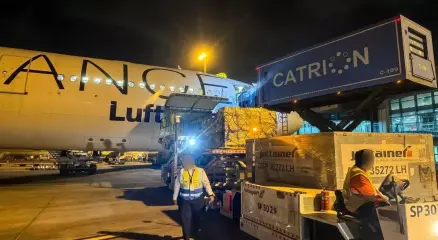
Lufthansa has resumed its Frankfurt-Riyadh passenger service, restoring additional belly-hold cargo capacity between Germany and Saudi Arabia amid strong demand for air freight. The airline restarted the route on September 10, 2026, with three weekly Airbus A340 services, with available cargo capacity reportedly fully utilised from the first day. The renewed connection provides shippers with additional capacity between Frankfurt, one of Europe’s major air cargo gateways, and Riyadh, supporting the movement of time-sensitive and high-value shipments between Europe and Saudi Arabia. Lufthansa Cargo has highlighted the strong initial response from customers following the restoration of the service. The resumption forms part of the Lufthansa Group’s gradual restoration of services to the Middle East following a comprehensive safety and security assessment. The group said it continues to monitor the regional security situation and remains in close contact with relevant authorities. For the air cargo sector, the return of the Frankfurt–Riyadh service is particularly relevant because passenger aircraft belly capacity remains an important component of Lufthansa Cargo’s network. Lufthansa Cargo’s global offering combines dedicated Boeing 777F and Airbus A321F freighters with cargo capacity on passenger aircraft operated by Lufthansa and its partners. The strong cargo uptake on the resumed Riyadh service also highlights continued demand for reliable air freight connectivity to Saudi Arabia. The development comes as the Kingdom continues to strengthen its position as a major commercial and logistics market, while Riyadh expands its role as an important gateway for international trade. The restored connection is expected to provide exporters, importers and logistics providers with greater network flexibility, while strengthening links between the European and Saudi markets. For Lufthansa Cargo, the early utilisation levels underline the importance of restored belly capacity in meeting customer requirements across key Middle Eastern trade lanes. 𝐒𝐭𝐚𝐲 𝐓𝐮𝐧𝐞𝐝 𝐭𝐨 CARGOCONNECT 𝐟𝐨𝐫 𝐥𝐚𝐭𝐞𝐬𝐭 𝐮𝐩𝐝𝐚𝐭𝐞𝐬!

Frankfurt Airport (FRA), Europe’s leading air cargo gateway, recorded a notable increase in freight volumes during August 2026, underlining the resilience of global air cargo demand despite ongoing economic uncertainties. Operator Fraport AG reported that cargo throughput, comprising airfreight and airmail, rose by 3.2 per cent year-on-year to around 172,700 metric tonnes during the month. The growth in cargo volumes came even as passenger traffic remained broadly stable. Frankfurt Airport handled approximately 6.2 million passengers in August, reflecting marginal growth compared with the same period last year. The steady rise in freight activity highlights Frankfurt’s strategic importance as one of Europe’s key logistics and distribution hubs, connecting major manufacturing and consumer markets across the globe. Industry observers attribute the increase in cargo throughput to stronger demand from sectors such as pharmaceuticals, e-commerce, high-tech products and industrial components. Continued shifts in supply chain strategies and the need for faster transportation solutions have also supported airfreight demand across European gateways. Aircraft movements at Frankfurt Airport increased by 2.2 per cent year-on-year to nearly 41,500 take-offs and landings in August, while maximum take-off weights rose by 2.1 per cent, indicating healthy operational activity across passenger and cargo segments. Fraport’s international airport portfolio also reported positive traffic trends, reflecting improving global aviation demand. Frankfurt Airport remains a vital node in international trade flows, serving numerous freighter operators and integrated logistics providers. The latest cargo growth further reinforces the airport’s role in supporting European supply chains, particularly as businesses seek greater reliability and speed in global transportation networks. With air cargo demand expected to remain stable in the coming months, Frankfurt Airport is likely to continue benefiting from its strong infrastructure, extensive connectivity and position as one of the world’s leading freight hubs. 𝐒𝐭𝐚𝐲 𝐓𝐮𝐧𝐞𝐝 𝐭𝐨 CARGOCONNECT 𝐟𝐨𝐫 𝐥𝐚𝐭𝐞𝐬𝐭 𝐮𝐩𝐝𝐚𝐭𝐞𝐬!

Emirates SkyCargo has expanded its freighter network in India with the introduction of new weekly freighter services to Bengaluru, Chennai and Hyderabad, strengthening cargo connectivity from three major commercial and manufacturing centres to international markets. The expansion takes the carrier’s total number of weekly freighter flights in India to seven, supplementing the capacity available through its 167 weekly passenger services. The move comes as demand for reliable international air freight capacity continues to grow alongside India’s expanding manufacturing and export ecosystem. Emirates SkyCargo transported more than 153,000 tonnes of Indian exports during FY 2025/26, covering a broad mix of commodities including pharmaceuticals, perishables, high-tech electronics, engineering and automotive components, and fashion goods. Bengaluru, Chennai and Hyderabad are important gateways for India’s technology, manufacturing, pharmaceutical and engineering industries. By deploying dedicated freighter capacity at these locations, Emirates SkyCargo is providing exporters with additional cargo capacity and direct access to its wider global network through Dubai. Badr Abbas, Divisional Senior Vice President, Emirates SkyCargo, said: “India is a strategic market for Emirates SkyCargo. With a fast-growing economy, the country is strengthening its position” as a hub for manufacturing and production. He added that the carrier is focused on helping Indian exporters connect efficiently with international customers and global supply chains. India’s growing perishables and pharmaceutical trade is also contributing to demand for specialised air cargo solutions. Emirates SkyCargo currently transports more than 650 tonnes of pharmaceuticals and over 600 tonnes of fresh food and other perishables from India every week via Dubai. Between April and June 2026, the carrier transported close to 2,900 tonnes of Indian mangoes to international customers. The expansion also aligns with the strengthening India-UAE trade relationship. Emirates SkyCargo moved more than 28,000 tonnes of exports from India to the UAE during FY 2025/26, representing a 24% year-on-year increase. The growth comes amid expanding bilateral trade supported by the Comprehensive Economic Partnership Agreement (CEPA), which took effect in May 2022. Beyond its airport gateways, Emirates SkyCargo is also extending its reach into inland markets through its road feeder network. More than 4,500 tonnes of import and export cargo were transported through its trucking connectivity across Indian states over the past 12 months, enabling customers outside the airline’s direct airport network to access its international cargo services. The latest freighter expansion reinforces Emirates SkyCargo’s role in supporting India’s export growth while providing additional capacity for time-sensitive and high-value cargo moving between India and global markets. 𝐒𝐭𝐚𝐲 𝐓𝐮𝐧𝐞𝐝 𝐭𝐨 CARGOCONNECT 𝐟𝐨𝐫 𝐥𝐚𝐭𝐞𝐬𝐭 𝐮𝐩𝐝𝐚𝐭𝐞𝐬!
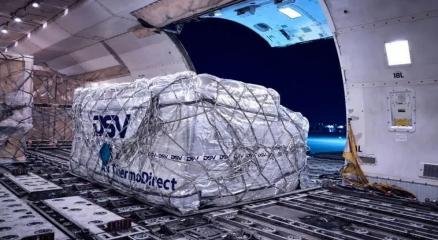
DSV is expanding its Air ThermoDirect temperature-controlled air freight network with a new direct connection between Luxembourg Airport and Shanghai Pudong International Airport (PVG), strengthening its capabilities for pharmaceutical and healthcare logistics. The logistics provider also plans to introduce an additional direct route between Indianapolis International Airport and Shanghai, further extending its Europe-US-Asia cold chain network. The new Luxembourg-Shanghai service will operate with multiple departures using dedicated freighter aircraft. According to DSV, dedicated capacity gives the company greater control over scheduling, routing and cargo handling, helping improve reliability for temperature-sensitive healthcare shipments. The expansion comes amid growing demand for secure, predictable and efficient pharmaceutical logistics worldwide. Shanghai Pudong International Airport is a key gateway for temperature-controlled pharmaceutical cargo and provides an important link between global manufacturers and healthcare markets across Asia. By expanding its operations at PVG, DSV aims to support both inbound and outbound pharmaceutical flows while maintaining consistent temperature-controlled handling throughout the transportation process. “DSV is helping customers improve supply chain efficiency, reduce operating costs, and ensure the integrity of critical healthcare products across one of the world's fastest-growing regions. Through our sustainable reusable thermal packaging program, we are reducing packaging waste and improving the environmental performance of cold chain logistics. This investment represents another important step in building a more resilient, efficient, healthcare supply chain across Asia,” says Kenneth Kallström, EVP, Global Enterprise Vertical Head, Healthcare, DSV. The Shanghai operation is supported by DSV’s partnership with Eastern Air Logistics (EAL), whose specialised ground-handling facilities will support Air ThermoDirect activities in Shanghai. China Eastern Logistics Cold Chain Ltd. will also provide dedicated cold-chain expertise and infrastructure as a ground-handling partner. A key element of the service is DSV’s use of modular thermal packaging solutions. The approach reduces reliance on active containers and conventional passive packaging, providing a more flexible, scalable and cost-efficient model for temperature-controlled air freight while maintaining pharmaceutical handling requirements. The latest expansion follows DSV’s launch earlier this year of “Indy Wings”, a direct air freight connection between Indianapolis and Luxembourg. With the addition of Shanghai connections, Air ThermoDirect is positioned to provide stronger connectivity between major pharmaceutical production, distribution and consumption markets across Europe, North America and Asia. 𝐒𝐭𝐚𝐲 𝐓𝐮𝐧𝐞𝐝 𝐭𝐨 CARGOCONNECT 𝐟𝐨𝐫 𝐥𝐚𝐭𝐞𝐬𝐭 𝐮𝐩𝐝𝐚𝐭𝐞𝐬!
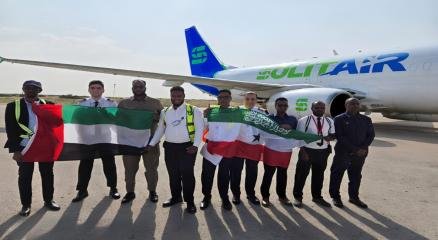
UAE-based cargo carrier SolitAir has expanded its African freighter network with new services to Port Harcourt in Nigeria and Hargeisa in Somaliland, strengthening air cargo connectivity between the Gulf and underserved markets across the continent. The new destinations are served through Port Harcourt International Airport (PHC) and Egal International Airport (HGA), respectively. Their addition takes SolitAir’s African network to 20 destinations across 16 countries, while its global footprint now covers more than 60 destinations in over 35 countries across Asia, Africa and Europe. The expansion is closely aligned with regional trade requirements. Port Harcourt is a major logistics gateway for Nigeria’s oil and gas industry, creating demand for dependable cargo capacity. Hargeisa, meanwhile, serves a commercial region where exports such as livestock and time-sensitive agricultural products depend on reliable air freight connections. SolitAir has already completed a specialised cargo operation to Port Harcourt, carrying 20 tonnes of general cargo on a Boeing 737-800BCF freighter. The one-off operation followed a multi-sector routing through Dubai World Central (DWC), Nairobi, Port Harcourt and Kuwait, leveraging the carrier’s East African hub at Jomo Kenyatta International Airport. SolitAir said frequencies on the route could be increased and scheduled regularly depending on customer demand. The carrier said its network expansion is being driven by customer requirements and emerging trade flows rather than a fixed route-development strategy. Hamdi Osman, founder and CEO of SolitAir, said the new markets would strengthen connections between the Gulf and African economies where reliable air cargo services are in demand. The move also builds on SolitAir’s growing presence in West Africa, with the carrier planning further expansion into Lagos, Nigeria, and Freetown, Sierra Leone. SolitAir currently operates seven Boeing 737-800BCF freighters, each capable of carrying up to 20 tonnes. Operating from its Dubai World Central hub, the airline is targeting a fleet of 20 freighter aircraft by the end of 2027 as it responds to rising demand along international trade corridors. For shippers and logistics providers, the Nigeria and Somaliland additions could offer additional middle-mile air freight capacity and more direct access to Gulf-linked supply chains, particularly for time-sensitive and high-value cargo. 𝐒𝐭𝐚𝐲 𝐓𝐮𝐧𝐞𝐝 𝐭𝐨 CARGOCONNECT 𝐟𝐨𝐫 𝐥𝐚𝐭𝐞𝐬𝐭 𝐮𝐩𝐝𝐚𝐭𝐞𝐬!

Delhi’s Indira Gandhi International Airport has expanded its transshipment cargo network to four additional domestic origin stations and two international destinations, strengthening its role as a potential air cargo hub between eastern and western markets. Civil Aviation Minister Ram Mohan Naidu on August 19 flagged off the scaled-up phase of India’s transshipment cargo reform at Delhi International Airport Limited’s (DIAL) Transshipment Excellence Centre (TEC) at Terminal 2. The expanded network will now connect Bengaluru, Ahmedabad, Mumbai and Hyderabad with London and Copenhagen, following the successful completion of a proof-of-concept project on the Chennai-Delhi-Frankfurt route. The proof of concept for domestic-to-international transshipment began on June 20, 2026, with Air India operating the service end-to-end. Since its launch, around 280 metric tonnes of cargo have been transshipped through the Delhi facility, while aircraft capacity utilisation increased from 75 per cent to nearly 100 per cent. According to the Civil Aviation Ministry, the expansion is expected to increase Air India’s monthly cargo carriage on the covered routes from 1,763 metric tonnes to 3,183 metric tonnes, representing an increase of nearly 80 per cent. Speaking at the Transshipment Excellence Centre at Terminal 2 of IGI Airport, Naidu said the reform was aimed at reducing turnaround time, handling costs and congestion at cargo terminals. The proof-of-concept exercise demonstrated a significant reduction in average end-to-end transit time on the Chennai-Delhi-Frankfurt route, from around 60 hours to 20 hours. The government was working to expand the model further and eventually establish India as a global air cargo transshipment hub by leveraging the country’s geographical position between eastern and western markets, he said “While our immediate focus is on Domestic-to-International transshipment, our larger ambition is to position India as a global cargo transshipment hub,” Naidu said, adding that the framework would subsequently be expanded to International-to-International and International-to-Domestic transshipment. The reform follows a revised framework notified through Addendum-II to AVSEC Circular No. 6/2024 by the Bureau of Civil Aviation Security (BCAS) on July 21, 2025. Under the framework, secured transshipment cargo can be moved through dedicated Transfer Cargo Security Hold Areas (TCSHAs) without mandatory re-screening, subject to prescribed security safeguards. Naidu said the removal of mandatory re-screening had addressed a long-standing industry concern and was helping improve the efficiency and competitiveness of India’s air cargo ecosystem. He also said the initiative was part of the government’s broader effort to develop major Indian airports as global transit hubs. Following the strengthening of hub-and-spoke operations for passengers, similar measures are being undertaken to build India’s air cargo hub capabilities. The Minister congratulated Delhi International Airport Limited (DIAL), BCAS, CISF, airlines, Customs and other stakeholders for their coordination in implementing the reform. The ministry said additional domestic origin stations and international destinations are expected to be brought under the framework in the coming months, further expanding India’s air cargo connectivity and strengthening its position as a competitive global aviation hub. The event was attended by Civil Aviation Secretary Samir Kumar Sinha, Airports Authority of India Chairman Vipin Kumar, Joint Secretary in the Ministry of Civil Aviation Asangba Chuba Ao, BCAS Joint Director General Pratibha Ambedkar and senior officials from the ministry, AAI, BCAS, DIAL, Air India and other stakeholders. 𝐒𝐭𝐚𝐲 𝐓𝐮𝐧𝐞𝐝 𝐭𝐨 CARGOCONNECT 𝐟𝐨𝐫 𝐥𝐚𝐭𝐞𝐬𝐭 𝐮𝐩𝐝𝐚𝐭𝐞𝐬!
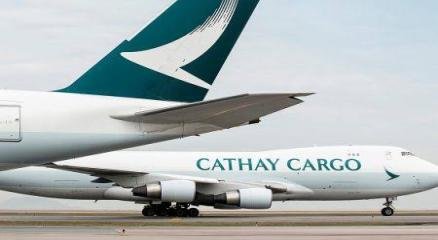
Cathay Cargo has become the first international airline to formally shift its dedicated freighter operations from Mumbai’s Chhatrapati Shivaji Maharaj International Airport (CSMIA) to Navi Mumbai International Airport (NMIA), marking a significant milestone in India’s evolving air cargo landscape. The transition, scheduled to take effect from August 3, is expected to set the stage for other global cargo carriers as Mumbai undergoes major airport infrastructure upgrades. The relocation is a temporary operational measure necessitated by extensive runway rehabilitation, taxiway development and apron reconstruction at CSMIA. The airport has announced the suspension of dedicated freighter operations between August 2026 and May 2027, with cargo flights being redirected to NMIA, which has been developed to accommodate the shift without disrupting cargo connectivity. Cathay Cargo confirmed that its existing three-times-a-week summer freighter service to Mumbai will continue without any change in frequency, with only the operating airport shifting to NMIA. The airline stated that the move is subject to operational requirements and aims to ensure uninterrupted cargo services during the infrastructure enhancement period at Mumbai’s primary airport. The development is being viewed as a landmark moment for NMIA, which is preparing to commence international cargo operations alongside international passenger services. Designed with modern cargo handling infrastructure and future expansion capabilities, the airport is expected to strengthen western India’s position as a key logistics gateway for global trade. Industry observers believe the migration of freighter services will accelerate the creation of a robust cargo ecosystem around NMIA, attracting airlines, freight forwarders, ground handlers and logistics service providers. Cathay Cargo’s decision also reflects its long-term commitment to the Indian market. The Hong Kong-based carrier has consistently expanded its presence in India, recognising the country’s growing importance as a global manufacturing and export hub. With dedicated freighter services connecting major Indian cities to its Hong Kong hub and onward global network, the airline continues to support sectors such as electronics, pharmaceuticals, perishables, engineering goods and e-commerce. As additional international cargo airlines prepare to relocate operations in the coming months, NMIA is expected to emerge as a strategic air cargo gateway capable supporting India's international trade growth. 𝐒𝐭𝐚𝐲 𝐓𝐮𝐧𝐞𝐝 𝐭𝐨 CARGOCONNECT 𝐟𝐨𝐫 𝐥𝐚𝐭𝐞𝐬𝐭 𝐮𝐩𝐝𝐚𝐭𝐞𝐬!

Cathay Cargo will restart its dedicated freighter operations to the Middle East from August 1, marking a significant step in restoring its regional air cargo network after months of disruption caused by geopolitical tensions. The Hong Kong-based carrier confirmed that freighter services to Riyadh, Saudi Arabia, will be the first to return, followed by the gradual reinstatement of passenger services to key destinations in September. The resumption signals renewed confidence in regional aviation stability and is expected to strengthen cargo connectivity between Asia and the Gulf, a strategically important trade corridor for high-value, time-sensitive shipments. Riyadh serves as a key logistics gateway for Saudi Arabia and the wider Middle East, supporting industries ranging from pharmaceuticals and electronics to automotive components and e-commerce. Cathay Cargo had suspended its Middle East operations earlier this year amid escalating regional conflict and airspace restrictions, joining several international airlines that temporarily halted services to safeguard passengers, crew and cargo operations. As the security situation has gradually improved, airlines have begun restoring schedules while continuing to closely monitor developments. Following the cargo relaunch, Cathay Pacific plans to resume daily passenger flights between Hong Kong and Dubai, alongside four weekly passenger services to Riyadh from September 1. These flights will also restore valuable belly-hold cargo capacity, further enhancing freight options for exporters and importers moving goods between Asia and the Middle East. Tickets for the passenger services are already available for booking. The return of both freighter and passenger services is expected to provide greater flexibility for freight forwarders and shippers that have faced capacity constraints during the suspension period. The additional uplift will help improve supply chain resilience, reduce transit times and support growing demand across sectors such as perishables, healthcare products and cross-border e-commerce. Cathay Cargo's decision also reflects the broader recovery of aviation services across the Middle East, with several global carriers progressively restoring operations as regional conditions stabilize. Industry observers believe the reopening of key air freight routes will improve network reliability and strengthen trade flows linking Asia, the Gulf and Europe. By reintroducing dedicated freighter capacity to Riyadh, Cathay Cargo reinforces its commitment to supporting global supply chains while expanding connectivity across one of the world's fastest-growing logistics markets. 𝐒𝐭𝐚𝐲 𝐓𝐮𝐧𝐞𝐝 𝐭𝐨 CARGOCONNECT 𝐟𝐨𝐫 𝐥𝐚𝐭𝐞𝐬𝐭 𝐮𝐩𝐝𝐚𝐭𝐞𝐬!

San Francisco International Airport (SFO) is set to significantly strengthen its air cargo capabilities through a major infrastructure expansion project that will feature advanced automation technology from Lödige Industries. The airport is investing more than $300 million in a new cargo terminal designed to enhance handling capacity, improve operational efficiency, and support future growth in air freight volumes. The new facility forms part of SFO’s long-term strategy to modernize its cargo infrastructure and reinforce its position as one of the leading air cargo gateways on the U.S. West Coast. With global air freight demand expected to continue growing, the airport is focusing on automation-driven solutions that can streamline cargo flows while maximizing available space and resources. Under the project, Lödige Industries has been selected to provide customized automated cargo handling systems for the terminal. The company will deploy technologies that enable automated storage and retrieval, high-throughput cargo processing, and optimized cargo movement across the facility. The systems are expected to reduce manual handling requirements, improve turnaround times, and increase overall terminal productivity. According to industry reports, the terminal has been designed to accommodate rising cargo volumes while supporting the operational needs of airlines, freight forwarders, and logistics service providers operating through SFO. The integration of advanced automation is also expected to improve cargo visibility and handling accuracy, helping stakeholders manage increasingly complex supply chains more efficiently. The investment reflects a broader trend across global airports, where digitalization and automation are becoming critical to addressing capacity constraints, labor challenges, and growing e-commerce demand. By incorporating automated technologies into its cargo operations, SFO aims to create a future-ready facility capable of supporting both current and emerging logistics requirements. Construction and implementation activities are expected to progress over the coming years, with the expanded cargo terminal anticipated to be operational by 2028. Once completed, the project is expected to deliver a substantial increase in cargo handling capacity while enhancing service reliability and operational resilience. For Lödige Industries, the contract further strengthens its footprint in the global air cargo sector, where automated storage, transport, and terminal management solutions are increasingly being adopted by airports seeking greater efficiency and scalability. The SFO project represents another milestone in the industry’s transition toward smart, technology-enabled cargo operations. As international trade and e-commerce continue to drive air freight demand, investments such as SFO’s automated cargo terminal are likely to play a crucial role in ensuring airports can meet future logistics and supply chain requirements efficiently and sustainably. 𝐒𝐭𝐚𝐲 𝐓𝐮𝐧𝐞𝐝 𝐭𝐨 CARGOCONNECT 𝐟𝐨𝐫 𝐥𝐚𝐭𝐞𝐬𝐭 𝐮𝐩𝐝𝐚𝐭𝐞𝐬!

Freightos has joined the International Air Transport Association’s (IATA) Digitalization Leadership Charter, reinforcing industry efforts to accelerate digital transformation across the global air cargo sector. The move highlights growing momentum behind initiatives aimed at improving connectivity, standardisation and data exchange throughout the air freight ecosystem. The IATA Digitalization Leadership Charter was launched to encourage industry stakeholders to adopt common digital standards and collaborate on modernising cargo operations. The initiative focuses on five core priorities: interoperability and data standards, cybersecurity and digital resilience, paperless cargo processes, innovation and automation, and the responsible adoption of emerging technologies such as artificial intelligence. Central to the charter is the promotion of IATA’s ONE Record standard, designed to facilitate seamless and efficient data sharing across the supply chain. By becoming a signatory, Freightos joins a growing network of airlines, technology providers and logistics stakeholders committed to creating a more connected and efficient cargo ecosystem. The company said the initiative aligns with its long-standing focus on enabling digital freight procurement, booking and payment processes through interoperable platforms that connect carriers, freight forwarders and shippers. Industry leaders view digitalisation as critical to addressing longstanding inefficiencies in air cargo, including fragmented data flows, manual documentation and limited visibility across supply chains. The adoption of shared standards is expected to reduce integration challenges, improve operational efficiency and support faster, more reliable cargo movement. Freightos believes broader industry alignment around digital connectivity can help create a more agile and resilient freight network capable of responding to evolving market demands. IATA has repeatedly emphasised that meaningful digital transformation requires collaboration across the entire cargo community. The association’s charter seeks to establish a common framework for innovation while encouraging organisations to invest in technologies that support transparency, sustainability and operational excellence. Freightos’ participation is expected to contribute to these efforts by leveraging its extensive digital marketplace and booking infrastructure, which already facilitates large-scale interactions between airlines and freight forwarders worldwide. The announcement comes at a time when air cargo stakeholders are increasingly prioritising automation, real-time data exchange and digital documentation to enhance customer experience and improve supply chain performance. As global trade networks continue to evolve, initiatives such as the IATA Digitalization Leadership Charter are likely to play a pivotal role in shaping the future of air freight operations. With Freightos now part of the initiative, industry observers see another significant step toward achieving a fully connected, data-driven and digitally enabled air cargo ecosystem capable of supporting the next generation of global logistics. 𝐒𝐭𝐚𝐲 𝐓𝐮𝐧𝐞𝐝 𝐭𝐨 CARGOCONNECT 𝐟𝐨𝐫 𝐥𝐚𝐭𝐞𝐬𝐭 𝐮𝐩𝐝𝐚𝐭𝐞𝐬!
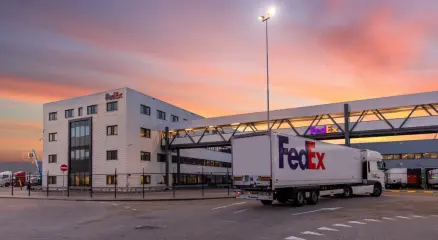
Federal Express Corporation is strengthening its European logistics infrastructure with a €46 million investment in the expansion of its road hub in Duiven, the Netherlands, reinforcing the facility’s role as a critical gateway in the company’s regional freight and parcel network. The expansion comes amid rising demand for premium international freight services and growing integration between air and road transportation across Europe. FedEx said the investment will significantly increase operational capacity at the Duiven site while improving efficiency and network resilience during peak shipping periods. Located in the Netherlands’ strategically important logistics corridor, the Duiven hub is one of FedEx’s largest and most technologically advanced road facilities in Europe. The company confirmed that the project involves acquiring and developing a neighboring facility to enhance freight handling capabilities and strengthen connectivity across the European Road Network. As part of the development, palletized freight handling capacity at the site will increase by more than 50 percent. FedEx will also add 65 new dock doors, taking the total number of dock doors at the facility to 265. The additional infrastructure is expected to streamline freight flows and reduce dependence on first- and last-mile processing locations. FedEx executives said the upgraded hub will play an increasingly important role in supporting the company’s integrated “truck-fly-truck” operating model, which combines road transport with international airfreight services. The model enables intercontinental shipments arriving by air to be distributed efficiently across Europe through the company’s road network. The company views premium airfreight as a major growth segment, particularly as customers seek faster and more reliable cross-border logistics solutions. By enhancing road connectivity from Duiven, FedEx aims to improve transit times, operational flexibility, and service reliability across European markets. The Netherlands continues to strengthen its position as one of Europe’s leading logistics gateways, supported by its central geographic location and multimodal transport infrastructure. FedEx’s latest investment also underlines the growing importance of integrated logistics hubs that can support both parcel and freight operations within a unified network. The first phase of the project will focus on enabling operations at the newly acquired facility, while future phases will include additional optimization measures and improved connectivity between the existing and new buildings. FedEx noted that freight and parcel volumes through Duiven have experienced strong growth over the past year, especially during year-end peak seasons, prompting the need for expanded capacity to support future demand. 𝐒𝐭𝐚𝐲 𝐓𝐮𝐧𝐞𝐝 𝐭𝐨 https://cargoconnect.co.in/ 𝐟𝐨𝐫 𝐥𝐚𝐭𝐞𝐬𝐭 𝐮𝐩𝐝𝐚𝐭𝐞𝐬!
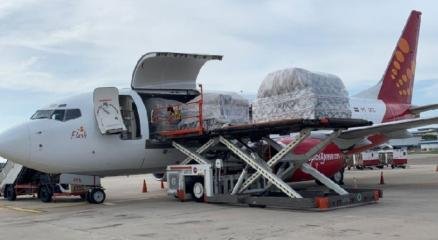
India’s air cargo sector has achieved a major milestone, handling a record 3.72 million metric tonnes (MMT) in FY2024-25, underlining the country’s growing prominence in global trade and logistics. The achievement marks a 47 percent rise compared to 2.53 MMT recorded a decade ago in FY2014-15, reflecting sustained investments in aviation infrastructure, policy reforms, and regional connectivity initiatives. The sharp rise in cargo volumes comes at a time when India is positioning itself as a strategic logistics hub for Asia-Pacific trade flows. Industry observers note that the growth has been supported by expanding e-commerce demand, rising pharmaceutical exports, perishables movement, and increasing integration of Indian manufacturers into global supply chains. Cargo operations are now active across 74 airports nationwide, significantly broadening the country’s air freight network. The government, along with the Airports Authority of India, has accelerated investments in warehousing capacity, cargo terminal modernisation, and multimodal logistics integration to support the sector’s expansion. Major infrastructure projects are expected to further strengthen capacity over the next few years. Upcoming greenfield airports at Noida International Airport and Navi Mumbai International Airport are developing large-scale cargo handling facilities aimed at reducing congestion at existing metro airports and improving regional cargo distribution. At the same time, AAI Cargo Logistics and Allied Services Company (AAICLAS) is modernising terminals at strategic locations including Srinagar, Dehradun, Dibrugarh, Dimapur, Vijayawada, and Jodhpur. Policy support has also emerged as a key growth enabler. One of the long-standing challenges for Tier-II and Tier-III airports has been the cost burden associated with customs operations. To address this issue, the government has introduced a reimbursement mechanism for customs deployment expenses at 27 airports, including 15 dedicated cargo terminals, during the 2024-27 period. The initiative is expected to improve the financial viability of smaller cargo gateways and promote decentralised trade growth across regional India. The momentum appears set to continue. Official figures indicate that India had already handled 2.98 MMT of air cargo by December of the current fiscal year, placing the sector on course for another record performance. Globally, air cargo demand also remains resilient. According to the International Air Transport Association, worldwide air cargo volumes touched record levels in 2025, supported by strong international trade activity and growing cross-border e-commerce. For India, the latest milestone signals more than just rising freight volumes. It reflects the country’s broader ambition to become a globally competitive logistics and manufacturing hub backed by modern infrastructure, policy-driven reforms, and stronger regional connectivity. 𝐒𝐭𝐚𝐲 𝐓𝐮𝐧𝐞𝐝 𝐭𝐨 https://cargoconnect.co.in/ 𝐟𝐨𝐫 𝐥𝐚𝐭𝐞𝐬𝐭 𝐮𝐩𝐝𝐚𝐭𝐞𝐬!
India’s two largest container gateways, Mundra and Nhava Sheva, are facing mounting congestion as rising cargo volumes, truck driver shortages and rerouted shipments from the Middle East strain operations across the country’s logistics network. Shipping lines and logistics operators are reporting worsening turnaround times at both ports, with vessel delays averaging nearly two and a half days and some unscheduled ships waiting up to five days for berthing. The disruptions are slowing cargo movement, tightening yard space and forcing carriers to make last-minute operational changes. According to industry reports, a shortage of truck drivers has become a major bottleneck for container transfers between terminals and inland transport hubs. The issue has reduced the pace of cargo evacuation from ports, adding pressure on already crowded container yards. Terminal operators have intermittently restricted gate access to control container inflow, while export gate schedules continue to shift frequently. These changes are complicating truck planning and increasing uncertainty for exporters and freight forwarders. The congestion is being intensified by cargo diversions linked to disruptions in the Middle East, particularly around Gulf trade routes. Shipping lines have increasingly redirected transshipment cargo to Indian ports as alternatives to facilities in the Persian Gulf, sharply increasing container volumes in recent weeks. The pressure has begun affecting carrier schedules. Some shipping companies are rerouting vessels between terminals at short notice to avoid yard congestion. Danish shipping giant Maersk recently shifted several sailings from its regular terminal at Nhava Sheva to PSA Mumbai after facing space constraints and a growing container backlog. Industry stakeholders say these sudden terminal changes are creating operational and financial challenges for shippers, including higher handling costs and difficulties coordinating customs clearance and inland transportation. The latest disruption comes at a time when India has been positioning itself as a major global manufacturing and logistics hub. Over the past decade, the country has expanded port capacity, improved freight corridors and modernised customs processes to strengthen supply chain efficiency. However, the current congestion highlights the vulnerability of port infrastructure during periods of sudden trade realignment and geopolitical disruption. Logistics experts warn that prolonged delays could increase freight costs, extend delivery timelines and place additional pressure on exporters already dealing with volatile global shipping conditions. Follow CARGOCONNECT for more such updates.
The diversification process by Apple continues to progress as India becomes one of the centers for manufacturing operations. Based on an analysis by Smart Analytics Global (SAG), the percentage share of Indian manufacturing of iPhones has increased from 14% in 2024 to 23% in 2025 and further to 28% by 2026, whereas China’s share has decreased from 83% to 74% within the same timeframe. As Apple continues to lower its reliance on China, India is all set to emerge as the major assembly hub for 28 percent of all iPhones exported around the world by 2026, compared to just 23 percent in the prior year. This change is due to the company's overall strategy of spreading its manufacturing operations in order to mitigate potential tariff risks and geopolitical risks, in addition to creating a more flexible manufacturing network beyond China. Based on the estimates of Smart Analytics Global (SAG), China's share in global iPhone production dropped from 83% in 2024 to 74% in 2025, while India's share increased from 14% in 2024 to 23% in 2025. Estimates provided by another market research firm, Counterpoint Research, indicate that India's share in global iPhone manufacturing could increase to approximately 26% in 2026 from 23% in 2025. As per SAG, “India will account for the manufacture of 28 percent of iPhones shipped globally in 2026, rising from 23 percent in 2025. This growth will be fueled by the ongoing diversification of Apple outside China and capacity build-up at existing manufacturers in India like Tata Electronics,” said Abhilash Kumar, an analyst at Smart Analytics Global. According to Tarun Pathak, research director at Counterpoint Research, “Apple's manufacturing partners have substantially increased their manufacturing capacities and assembly lines in India. They have also diversified their product portfolio made in India.” He further stated that the increase in manufacturing capacity of Tata Electronics is another factor aiding the growth. Apple has managed to localize production substantially in India through manufacturers like Foxconn and Tata Electronics. The recent takeover of Wistron and Pegatron in India by the Tata Group represents a huge step forward in Apple’s localization efforts in India. At present, India is assembling a larger number of iPhones, even the latest versions, and has become an important source of exports, targeting countries like the US and European nations. Over the past five years, Apple has manufactured iPhones worth almost $70 billion in India using its PLI scheme, where around $51 billion, or almost 73% of all iPhones manufactured, were exported from India. Moreover, iPhones have become the most exported goods from India during the previous financial year. India has become the biggest beneficiary of Apple’s changing supply chain. From initially assembling iPhones on a smaller scale, it has grown to become a manufacturing cluster for iPhones through government incentives, increased manufacturing capabilities, and the growing presence of suppliers. Several of the most important suppliers and manufacturers for Apple are still highly entrenched within China, allowing the country to enjoy an unrivaled capacity and adaptability when it comes to managing mass-scale productions and product shifts. For more such news and updates, visit CARGOCONNECT.
Shadowfax is significantly expanding its quick commerce infrastructure, announcing plans to scale its dark store network from 15 facilities to 100 by FY27. The move underscores the company’s growing focus on hyperlocal deliveries, same-day fulfilment, and direct-to-consumer (D2C) logistics as competition intensifies in India’s fast-evolving quick commerce ecosystem. The Bengaluru-based company plans to add 85 new dark stores over the next fiscal year, targeting metro cities with delivery radiuses of approximately seven kilometres and fulfilment timelines of around 30 minutes. The expansion is expected to support rising demand from vertical quick commerce platforms and D2C brands that increasingly rely on third-party logistics (3PL) partners for rapid deliveries. According to company executives, vertical marketplaces are emerging as a profitable segment because of their dependence on outsourced logistics infrastructure rather than captive fulfilment networks. Shadowfax believes this trend creates a strong opportunity for scalable 3PL-led quick commerce models. The dark store expansion will account for nearly 10% of Shadowfax’s planned capital expenditure of ₹180–190 crore in FY27. The company is simultaneously strengthening its automation and artificial intelligence capabilities to improve operational efficiency. AI-led demand forecasting, automated slotting, and smarter sorting centre operations are expected to reduce overhead costs while accelerating breakeven timelines for new facilities. Shadowfax’s aggressive expansion comes on the back of strong financial performance. The company reported a consolidated net profit of ₹55.8 crore in Q4 FY26, compared to a net loss of ₹9.9 crore during the same period last year. Revenue from operations surged 73.6% year-on-year to ₹1,237 crore, reflecting growing order volumes and increased adoption of quick commerce delivery services. Founded in 2015, Shadowfax has evolved into one of India’s largest logistics and last-mile delivery networks, serving over 2,500 cities and more than 15,000 pincodes. The company currently handles millions of shipments daily through a technology-driven delivery ecosystem that supports e-commerce, grocery, hyperlocal, and D2C brands. Industry analysts believe the dark store expansion reflects a broader shift within India’s logistics sector, where speed, proximity-based fulfilment, and automated operations are becoming central to supply chain competitiveness. As quick commerce adoption accelerates beyond groceries into categories such as fashion, electronics, and personal care, logistics providers like Shadowfax are positioning themselves as critical enablers of ultra-fast retail fulfilment. 𝐒𝐭𝐚𝐲 𝐓𝐮𝐧𝐞𝐝 𝐭𝐨 https://cargoconnect.co.in/ 𝐟𝐨𝐫 𝐥𝐚𝐭𝐞𝐬𝐭 𝐮𝐩𝐝𝐚𝐭𝐞𝐬!
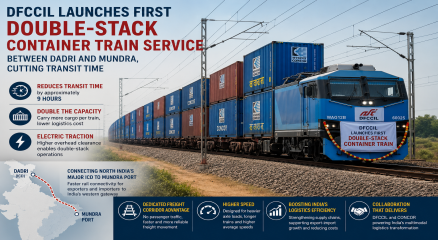
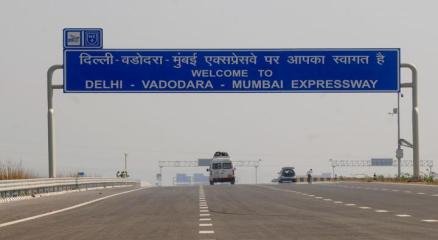
India’s Dedicated Freight Corridors (DFCs) are rapidly reshaping the country’s logistics landscape, with the Western Dedicated Freight Corridor (WDFC) between Dadri and Jawaharlal Nehru Port Authority (JNPA) emerging as a game-changing infrastructure project for supply chains and multimodal freight movement. Designed exclusively for cargo operations, the corridor is significantly reducing transit times, improving reliability, and easing congestion on conventional rail routes. Stretching nearly 1,500 km from Dadri in Uttar Pradesh to JNPA near Mumbai, the corridor forms the backbone of India’s western logistics artery, connecting manufacturing centres, inland container depots, industrial clusters, and ports. With dedicated tracks for freight trains, the network allows uninterrupted cargo movement at higher average speeds, eliminating delays caused by mixed passenger and freight operations. One of the biggest outcomes has been a sharp reduction in transit time. Freight movement between Dadri and JNPA that traditionally took close to 72 hours on congested rail routes is now being completed in nearly half the time, improving turnaround efficiency for exporters, importers, and logistics operators. Industry stakeholders believe the reduction in transit duration will strengthen India’s competitiveness in global trade and support the government’s target of lowering logistics costs as a percentage of GDP. The DFC network has also enabled the operation of longer and heavier freight trains, including double-stack container services on electrified routes. This has increased carrying capacity while lowering per-unit transportation costs. According to sector estimates, rail freight on dedicated corridors is considerably more energy-efficient and environmentally sustainable than road transport, aligning with India’s broader decarbonisation goals. Beyond operational efficiency, the corridors are catalysing the growth of integrated logistics ecosystems. Regions such as Dadri, Greater Noida, and Jewar are witnessing accelerated development of multimodal logistics parks, warehousing zones, and industrial hubs due to their strategic connectivity with both the Eastern and Western DFCs. The emerging “rail-road-air” logistics triangle around the National Capital Region is expected to attract substantial investments in manufacturing and distribution infrastructure. The Dedicated Freight Corridor Corporation of India (DFCCIL) has reported rising freight train volumes on the operational stretches, indicating growing industry adoption. The completion of key links on the western corridor is expected to further enhance throughput and reduce dependency on road transport for long-haul cargo. Analysts say the dedicated rail network could become central to India’s ambition of creating faster, greener, and more resilient supply chains. As India continues investing in additional freight corridors across the country, the success of the Dadri-JNPA route demonstrates how infrastructure modernisation can directly influence trade efficiency, logistics performance, and industrial growth. 𝐒𝐭𝐚𝐲 𝐓𝐮𝐧𝐞𝐝 𝐭𝐨 https://cargoconnect.co.in/ 𝐟𝐨𝐫 𝐥𝐚𝐭𝐞𝐬𝐭 𝐮𝐩𝐝𝐚𝐭𝐞𝐬
In a strategic warehousing move, the South Eastern Coalfields Limited (SECL), the second largest coal-producing subsidiary of Coal India Limited, has signed a Memorandum of Understanding (MoU) with Central Warehousing Corporation (CWC) for collaboration in coal logistics, railway rake provisioning under GPWIS and similar schemes, and integrated transportation services. Guided by the Union Ministry of Coal, SECL is rapidly working to improve India’s energy security and coal logistics infrastructure. The company is taking steps to boost coal evacuation efficiency and ensure a steady fuel supply to essential sectors. This partnership with CWC is a significant move in that direction. The goal of the partnership with CWC is to strengthen SECL’s coal evacuation capabilities by providing reliable and efficient rail logistics solutions to meet the rising demand from the power, steel, cement, and other sectors. The MoU outlines collaboration in various areas, including dedicated railway rake operations, integrated coal transportation solutions, multimodal logistics, first-mile and last-mile connectivity, and the deployment of digital systems for logistics monitoring and operational efficiency. Under the agreed framework, both organizations will explore provisioning and operation of GPWIS and equivalent racks, integrated rail logistics services, and long-term transportation solutions aimed at improving dispatch efficiency and reducing logistical obstacles. The MoU was signed in the presence of Harish Duhan, Chairman-cum-Managing Director of SECL, and Santosh Sinha, Managing Director of CWC. Functional Directors and senior officials from SECL, as well as representatives from CWC, attended the signing ceremony. SECL plays a vital role in meeting the country's growing coal demand. In the current financial year 2026-27, Coal India Limited has already surpassed the 100 million tonne production mark, with SECL contributing more than 26.8 million tonnes. Central Warehousing Corporation (CWC), a Navaratna Central Public Sector Enterprise under the Government of India, is a leader in integrated logistics and warehousing services. It has extensive experience in rail-linked cargo movement and multimodal transportation solutions. For more such news and updates, visit CARGOCONNECT.