In a strategic warehousing move, SECL ties up with Central Warehousing Corporation
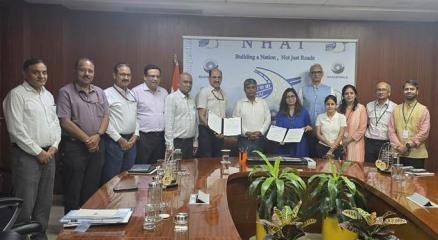
In a strategic warehousing move, the South Eastern Coalfields Limited (SECL), the second largest coal-producing subsidiary of Coal India Limited, has signed a Memorandum of Understanding (MoU) with Central Warehousing Corporation (CWC) for collaboration in coal logistics, railway rake provisioning under GPWIS and similar schemes, and integrated transportation services.
Guided by the Union Ministry of Coal, SECL is rapidly working to improve India’s energy security and coal logistics infrastructure. The company is taking steps to boost coal evacuation efficiency and ensure a steady fuel supply to essential sectors. This partnership with CWC is a significant move in that direction. The goal of the partnership with CWC is to strengthen SECL’s coal evacuation capabilities by providing reliable and efficient rail logistics solutions to meet the rising demand from the power, steel, cement, and other sectors.
The MoU outlines collaboration in various areas, including dedicated railway rake operations, integrated coal transportation solutions, multimodal logistics, first-mile and last-mile connectivity, and the deployment of digital systems for logistics monitoring and operational efficiency. Under the agreed framework, both organizations will explore provisioning and operation of GPWIS and equivalent racks, integrated rail logistics services, and long-term transportation solutions aimed at improving dispatch efficiency and reducing logistical obstacles.
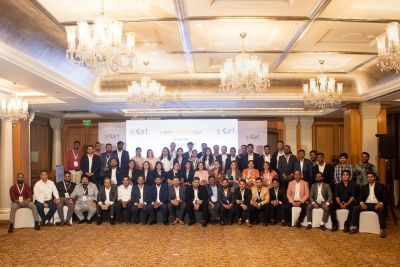
The MoU was signed in the presence of Harish Duhan, Chairman-cum-Managing Director of SECL, and Santosh Sinha, Managing Director of CWC. Functional Directors and senior officials from SECL, as well as representatives from CWC, attended the signing ceremony. SECL plays a vital role in meeting the country's growing coal demand. In the current financial year 2026-27, Coal India Limited has already surpassed the 100 million tonne production mark, with SECL contributing more than 26.8 million tonnes.
Central Warehousing Corporation (CWC), a Navaratna Central Public Sector Enterprise under the Government of India, is a leader in integrated logistics and warehousing services. It has extensive experience in rail-linked cargo movement and multimodal transportation solutions.
For more such news and updates, visit CARGOCONNECT.
A multifaceted approach focussed on continuous improvement and innovation
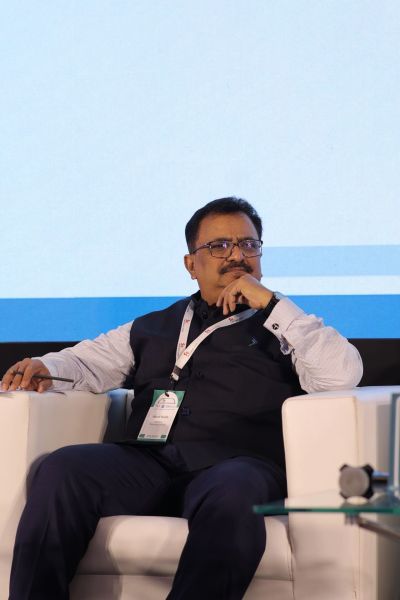
As we all know, supply chain management encompasses a multifaceted approach to streamline operations, optimise resources, and meet customer demands efficiently. Integrating the entire supply chain involves aligning and synchronising all components, processes, and stakeholders involved—from suppliers to end consumers. Most importantly, an integrated supply chain leverages technology and standardised processes to achieve seamless coordination, visibility, and data sharing across the entire value chain. As businesses navigate the complexities of today’s global marketplace, harnessing the power of an innovative supply chain through enabling technological advancements and process improvements is crucial for establishing resilient, responsive, and future-ready supply chain ecosystems. These aspects are brought together by three crucial elements: technology as the backbone of innovative supply chains, continuous improvement throughout the entire supply chain, and network structures driven by transparent communication and end-to-end visibility. Harish Singh, Head – Supply Chain, Burgerama talks about the amalgamation of these key elements that enable organisations like Burgerama to stay ahead in a rapidly evolving business landscape, fostering innovation and sustainable growth in the realm of supply chain management features. Excerpts by UPAMANYU BORAH from a recent interaction.
Genesis and Operations
Founded in 2018 by Kabir, Viraaj, and Vivek, Burgerama is a flavour-packed tale of the juiciest cheeseburgers in India. Starting strong in Sushant Lok in October 2018, not even a global pandemic could halt this culinary sensation. What sets Burgerama apart? It's the explosion of taste in every bite, achieved through meticulous ingredient selection and an unwavering commitment to authenticity. Beyond just a food joint, Burgerama is a narrative of enduring friendship and an unyielding quest to craft the perfect burger experience. Now operating 14 delivery outlets across Delhi NCR, Chandigarh, and Bangalore, Burgerama has come to be known for its passionate team, true-to-form flavours and genuinely delicious products, creating a truly unique burger experience for all.
Adapting to Macro Challenges
In recent times, our burger brand has experienced both positive and negative impacts from the macro environment. A shift towards healthier eating habits has inspired us to innovate our menu, offering diverse options with high-quality, nutritious ingredients, expanding our appeal. Embracing sustainability, we've adopted eco-friendly packaging and responsible sourcing, aligning with evolving consumer values.
However, challenges persist. Fluctuating commodity prices and supply chain disruptions occasionally affect our quality and pricing consistency. To address this, we've prioritised supply chain flexibility. Technological investments and strategic partnerships enable swift responses to unforeseen circumstances. Building relationships with multiple suppliers and agile inventory management mitigate localised disruptions. Our logistics infrastructure, designed for agility, includes contingency plans and alternative routes, ensuring seamless operations.
Despite macro challenges, our commitment to a flexible supply chain empowers us to navigate obstacles effectively, ensuring consistent delivery of quality burgers to our customers under any circumstances.
Global Benchmarks, Local Adaptations
Our burger brand prioritises a consistent supply through tech-driven forecasting, strategic partnerships, and global benchmarking. Leveraging predictive analytics, we adjust production to minimise shortages or overstocking. Long-term relationships with suppliers ensure transparent operations, from sourcing to delivery. We adapt successful global practices through benchmarking and continually improve through audits, adopting new technologies or optimising routes. Our commitment to agility and learning from global benchmarks ensures a reliable supply chain, meeting dynamic customer demands.
Cost Management Methods
In the face of escalating input costs, especially in a landscape where our primary business operates through Zomato and Swiggy, our commitment remains to shield end consumers from additional financial burdens. Our strategy is multi-faceted, emphasising cost management without compromising quality or transferring extra expenses to the customer. Internally, we relentlessly optimise operations, streamlining processes from sourcing to distribution to enhance efficiency and minimise wastage throughout the supply chain. Furthermore, we are resolute in absorbing a certain degree of these cost increases within our operations, ensuring that the quality, value, and experience associated with our brand remain uncompromised. Collaborating closely with our suppliers and distributors, we navigate peak input costs by absorbing some of the financial pressures internally, ultimately ensuring that the end consumer is spared from additional financial strains.
Automation advancements in Operations
Harnessing advanced information technology has been transformative for our supply chain. Integration of cutting-edge solutions has significantly boosted efficiency, agility, and responsiveness. A key initiative involves implementing robust inventory management systems driven by machine learning algorithms. These systems enhance demand forecasting, optimise inventory levels, and predict supply chain disruptions. This proactive approach ensures balanced stock levels at both outlet and warehouse, preventing excesses or shortages. Automation further streamlines operations, with an indent planning tool seamlessly integrated into our inventory management for more precise order fulfillment planning.
Strong Partnerships: Key to minimising disruptions
In India's supply chain landscape, seamless coordination among suppliers, distributors, and logistics partners is crucial. Our approach emphasises robust communication channels, fostering transparency, strategy alignment, and quick problem-solving. During crises, like recent disruptions, our coordination becomes even more vital. Swift adaptations, such as diversifying supply channels and optimising stock, help us navigate challenges. Strong partner relationships minimise disruptions. Despite widespread implications, our focus stays on fostering collaborations and open communication to navigate challenges effectively and deliver quality service in alignment with the dynamic Indian market.
Logistics: Enabling Our Burger Success
In our burger brand's success story in India, logistics plays a vital role, serving as the backbone of our operations. Entrusting specific functions to external partners, such as transportation and warehousing, ensures efficient delivery routes and streamlined distribution. While external partners handle certain tasks, the majority of logistics operations, including inventory management and strategic planning, are internally controlled. This internal control is crucial for optimising inventory, anticipating market demands, and maintaining a smooth product flow. With approximately 90 per cent of logistics operations managed internally, we strike a balance, leveraging external expertise while retaining control over core functions. This collaborative strategy ensures the benefits of specialised skills from partners, coupled with the agility needed to adapt to India's unique market demands.
Win-Win Partnerships
In selecting logistics partners for our Indian operations, we prioritise reliability, scalability, and technological proficiency. Timely and consistent deliveries are crucial, requiring partners adaptable to India's dynamic landscape. We emphasise technology-driven solutions, favoring partners with advanced tracking systems and route optimisation. Cost-effectiveness is key, seeking competitive pricing without compromising service quality. Transparency, compliance with regulations, and a customer-centric approach are foundational criteria. Thorough evaluations and trial periods ensure compatibility and strong partnerships, ensuring a smooth and efficient logistics operation for our burger brand in India.
Efficient Transportation Strategies
In response to the evolving logistics landscape in India, our policies and strategies pivot towards embracing alternative transport modes and optimising routes for efficient outsourcing of logistics services. We advocate for multimodal transport, acknowledging the strengths of various modes like road and rail to optimise cost, time, and environmental impact. Prioritising route optimisation through advanced technologies enables us to minimise transit times and costs, leveraging data-driven analytics to assess traffic patterns and road conditions. Collaboration with specialised 3PL service providers in alternative transport modes enhances our network efficiency. Recognising the last-mile delivery challenge in India, our policies explore innovative solutions, including partnerships with local services and micro-warehousing strategies. The emphasis on adaptability and agility allows us to respond dynamically to market dynamics, embracing new transport modes for enhanced efficiency or reduced environmental impact. Continuous evaluation and improvement are ingrained in our policies, fostering a diversified and adaptable logistics framework that ensures efficient supply chain operations for our business.
Warehousing strategies that alleviates the bottom-line
To optimise our operations, we strategically position warehouses for proximity to major consumption centers, minimising transportation costs and reducing delivery times across India. Leveraging technology, we implement warehouse management systems and plan to introduce barcode systems for enhanced accuracy. Embracing lean principles, we focus on continuous improvement, eliminating non-value-added activities, and maintaining efficient layouts. Anticipating seasonal or peak demand, we implement inventory strategies for optimal preparation without excess costs during quieter periods. Collaboration with 3PLs allows scalability and access to specialised facilities. Utilising data analytics, we continuously analyse warehouse efficiency, facilitating data-driven decisions for ongoing process improvements. Through these strategies, we aim for efficient, agile, and customer-centric operations, ensuring timely product delivery across India while optimising costs and resources.
Distinct capabilities with a strategic Innovation Approach
Maximising the efficiency of our logistics and backend operations involves a multifaceted approach focussed on continuous improvement and innovation. Leveraging advanced analytics, we prioritise accurate demand forecasting for optimised inventory levels, balancing meeting customer demands with minimising excess stock. Building strong relationships with suppliers and implementing lean supply chain principles help in reducing lead times, cutting costs, and maintaining a responsive supply chain. Constantly exploring and integrating emerging technologies such as AI and Bar Coding enhances visibility and transparency across the supply chain. Sustainability initiatives, including eco-friendly packaging and optimised delivery routes, align with our commitment to environmental responsibility. Regular assessments and adaptation to market changes, whether regulatory shifts or consumer preferences, ensure operational agility. Our ultimate goal is to create a responsive, cost-effective, and sustainable supply chain that meets customer demands across diverse cities.
Megatrends changing the face of Supply Chain Executives
In the dynamic landscape of India's supply chain and logistics, several pivotal megatrends are set to reshape the roles of managers in these domains. Technology integration, including AI and machine learning, will revolutionise operations, requiring managers to harness these tools for enhanced visibility and data-driven decision-making. Building resilience against disruptions and diversifying sourcing channels will be imperative. Leveraging data analytics for predictive insights will be essential for optimising inventory and enhancing overall efficiency. Collaborative partnerships across the supply chain ecosystem will strengthen, necessitating closer ties with suppliers, distributors, and technology providers. Adapting to evolving regulations, upskilling the workforce for increased automation, and prioritising customer-centric logistics experiences are paramount. Striking the right balance between globalisation benefits and localised strategies will be a key challenge. Managers who adeptly navigate and capitalise on these megatrends will build agile, sustainable, and technologically advanced operations, meeting the evolving demands of the market.
Advice for budding professionals To young supply chain professionals entering the industry in India, here's some invaluable advices for navigating the evolving landscape. Embrace continuous learning by staying updated on technological advancements and industry trends, and seek certifications and mentorship. Develop a holistic understanding of the supply chain spectrum, acknowledging the interconnections between procurement, logistics, operations, and customer relations. Cultivate adaptability and flexibility to navigate the fast-paced and disruptive nature of the industry. Focus on data literacy, particularly proficiency in analytics tools like Excel, for making informed decisions. Hone communication and collaboration skills to effectively coordinate with diverse teams and stakeholders. Embrace ethical and sustainable practices, recognising their growing importance in supply chains. Lastly, foster a problem-solving mindset, as the ability to address challenges efficiently is highly valued in the dynamic field of supply chain management.
Strengthening the EV Supply Chain: India Plans ₹12,000 Crore Incentive Scheme for Battery Components Manufacturing
India is preparing to take a significant step towards building a stronger and more self-reliant electric vehicle (EV) supply chain with a proposed incentive scheme worth nearly ₹12,000 crore for the domestic manufacturing of battery components and materials. The initiative is expected to complement the existing ₹18,100 crore Production Linked Incentive (PLI) scheme for Advanced Chemistry Cell (ACC) battery manufacturing and help address a critical gap in India's EV ecosystem.
Over the past few years, India has made considerable progress in attracting investments for battery cell production. However, industry stakeholders have consistently pointed out that a large portion of the battery value chain continues to rely on imported materials. While cell manufacturing capacity is being created domestically, many of the essential inputs required for battery production are still sourced from overseas markets, limiting overall localisation.
The proposed scheme aims to change this dynamic by encouraging local production of critical battery materials and components. Reports indicate that the incentive framework may cover Cathode Active Materials (CAM), Anode Active Materials (AAM), electrolytes, copper foil, battery separators and other advanced battery materials that form the backbone of modern EV batteries.
For India's rapidly expanding EV sector, these components are far more than just manufacturing inputs. They represent a strategic part of the supply chain, influencing production costs, availability, quality and long-term competitiveness. Industry estimates suggest that battery materials account for a substantial share of overall battery costs, making localisation an important lever for improving economics across the EV value chain.
The initiative comes at a crucial time as automakers continue to accelerate their electrification plans. Demand for batteries is expected to rise sharply, driven by passenger electric vehicles, electric two-wheelers, commercial EV fleets, energy storage systems and renewable energy integration projects. To support this growth, India will require a robust and dependable supply network capable of serving domestic manufacturers at scale.
According to industry projections, India could require more than 400,000 tonnes of Cathode Active Material and over 200,000 tonnes of Anode Active Material by 2030 to support the battery manufacturing capacities that have already been announced. Such figures highlight the enormous opportunity for companies willing to invest in upstream battery manufacturing and supply chain infrastructure.
A key objective of the proposed scheme is to reduce India's dependence on global battery supply chains, many of which remain heavily concentrated in China. At present, China dominates several critical segments of the battery ecosystem, including cathode processing, anode materials, battery chemicals and copper foil production. This concentration exposes manufacturers worldwide to supply disruptions, geopolitical uncertainties and price volatility.
By supporting local manufacturing, India hopes to create a more resilient and diversified supply chain while attracting global battery material producers to establish operations within the country. Such investments could strengthen domestic capabilities, improve supply security and increase value addition within India.
The proposed incentive programme is also expected to complement the ACC PLI scheme, which was launched to establish large-scale battery cell manufacturing capacity. While the PLI scheme has succeeded in attracting investments from major players, the development of upstream battery materials has progressed at a slower pace. Industry experts believe the new initiative could bridge this gap and help create a more integrated battery ecosystem.
Nevertheless, several challenges remain. Building a globally competitive battery supply chain will require access to critical minerals such as lithium, cobalt, nickel and graphite, along with significant capital investments, advanced manufacturing technologies and a skilled workforce. Industry observers have repeatedly emphasised that long-term success will depend on developing capabilities across mining, refining, recycling, component manufacturing and battery production.
For automotive manufacturers such as Tata Motors, Mahindra & Mahindra, Maruti Suzuki and Hyundai Motor India, stronger domestic sourcing could eventually translate into lower battery costs, improved supply reliability and enhanced competitiveness. Since batteries account for nearly 35-45 per cent of an EV's total cost, supply chain localisation could play a pivotal role in making electric vehicles more affordable and accelerating their adoption across the country.
As India pursues its ambitious EV targets, building battery cell factories alone may not be enough. Creating a comprehensive supply chain for battery materials and components will be equally important. If implemented effectively, the proposed ₹12,000 crore scheme could become a key milestone in India's journey towards establishing a globally competitive EV supply chain and emerging as a major hub for advanced battery manufacturing.