
Loading...
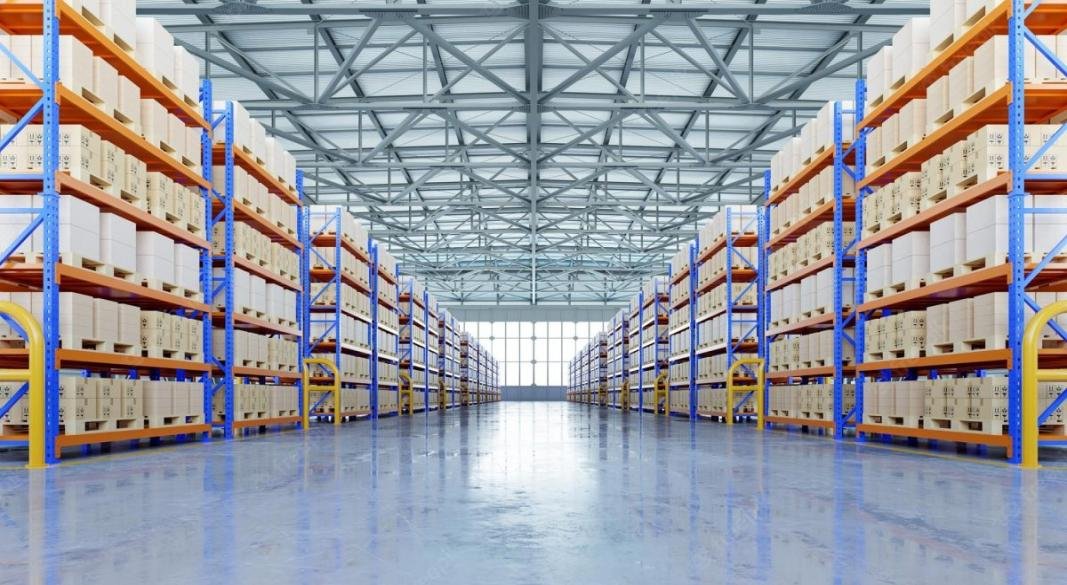
India’s Grade A/A+ warehousing market recorded net absorption of 54 million sq ft during the first nine months of calendar year 2026 (9M CY’26), against new supply of 47.1 million sq ft, translating into an absorption-to-supply ratio of 1.1x, according to the latest report by CRE Matrix.
Despite supply remaining relatively resilient, demand declined approximately 18% year on year, while new supply fell by around 3% compared with the corresponding period of 2025. The report indicates that the market continues to expand, although occupier activity has moderated from the previous year.
At the end of Q3 CY’26, overall vacancy across the market stood at 10.5%, down 0.8 percentage points from Q3 CY’25. However, vacancy edged up 0.2 percentage points from the previous quarter as new supply outpaced absorption. The national market rent reached ₹28.6 per sq ft per month, while the average passing rent—the weighted average rent paid by existing tenants—rose 3% year on year to ₹27.3 per sq ft per month.
Pune and MMR account for 41% of demand
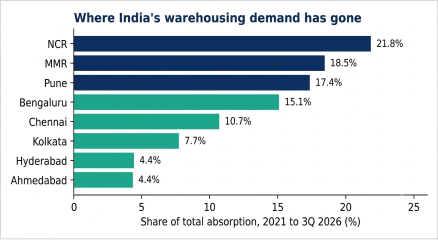
Demand remained concentrated in key western markets, with Pune and the Mumbai Metropolitan Region (MMR) together accounting for 41% of pan-India Grade A/A+ warehousing absorption during 9M CY’26.
MMR recorded demand of 10.6 million sq ft against new supply of 5.1 million sq ft, resulting in a demand-to-supply ratio of 2.1x. Its vacancy rate stood at 8.3%, while market rent reached ₹35.7 per sq ft per month in Q3 CY’26.
Pune registered absorption of 11.5 million sq ft against supply of 9.3 million sq ft, with a demand-to-supply ratio of 1.2x and vacancy of 8.4%. The city also recorded a three-year compound annual growth rate (CAGR) of 3.4% in market rents.
On the supply side, Chennai and Pune together contributed 43% of new Grade A/A+ warehousing stock added during the nine-month period. Chennai recorded 10.8 million sq ft of supply against demand of 9 million sq ft, while Pune added 9.3 million sq ft.
Manufacturing, 3PL and automotive drive demand
Sectoral activity continued to be led by manufacturing, third-party logistics (3PL) and automotive occupiers, which together accounted for approximately 66% of Grade A/A+ warehousing demand in Q3 CY’26.
Manufacturing contributed 31% of demand, followed by 3PL at 19% and automotive at 16%, highlighting the importance of industrial production, logistics networks and automotive supply chains in shaping warehousing requirements.
The city-level data also reflects varying occupier profiles. In MMR, 3PL accounted for 47% of occupied warehousing space, underlining the region’s logistics-oriented demand base. Pune's sector mix was led by manufacturing at 35% and automotive at 29%, reflecting its industrial and automotive ecosystem.
In Bengaluru, manufacturing and 3PL each accounted for 26% of sector occupancy, while automotive contributed 10%. Chennai's profile was led by 3PL at 32% and manufacturing at 27%, with electrical and electronics accounting for 16%.
Vacancy and rental trends vary across cities
The report highlights considerable differences in vacancy and rental performance across the seven markets analysed. MMR and Pune recorded vacancy levels of 8.3% and 8.4%, respectively, while Bengaluru stood at 13% and Chennai at 11.7%. Ahmedabad reported the highest vacancy among the markets at 14.1%.
Rental trends also varied. MMR's market rent increased 11.8% year on year in Q3 CY’26, while Bengaluru's passing rent rose 4.3% over the same period. Pune recorded a 3.4% three-year CAGR in market rent, while Hyderabad registered a 5.1% three-year CAGR in passing rent.
These variations underline how the relationship between new supply, occupier demand, industrial activity and location-specific requirements continues to shape individual warehousing markets.
Grade A/A+ stock projected to reach 510 million sq ft
Looking ahead, CRE Matrix expects pan-India Grade A/A+ warehousing ready stock to reach 510 million sq ft by the end of CY’26. The report also puts current Grade A stock at 492.7 million sq ft.
The findings point to a market where demand continues to exceed supply at the national level, but with absorption moderating and performance differing across locations. As new capacity enters the market, the pace and distribution of occupier demand, sectoral requirements and the availability of suitable space are likely to remain important factors shaping the next phase of India's organised warehousing growth.

India’s Grade A/A+ warehousing market recorded net absorption of 54 million sq ft during the first nine months of calendar year 2026 (9M CY’26), against new supply of 47.1 million sq ft, translating into an absorption-to-supply ratio of 1.1x, according to the latest report by CRE Matrix. Despite supply remaining relatively resilient, demand declined approximately 18% year on year, while new supply fell by around 3% compared with the corresponding period of 2025. The report indicates that the market continues to expand, although occupier activity has moderated from the previous year. At the end of Q3 CY’26, overall vacancy across the market stood at 10.5%, down 0.8 percentage points from Q3 CY’25. However, vacancy edged up 0.2 percentage points from the previous quarter as new supply outpaced absorption. The national market rent reached ₹28.6 per sq ft per month, while the average passing rent—the weighted average rent paid by existing tenants—rose 3% year on year to ₹27.3 per sq ft per month. Pune and MMR account for 41% of demand Demand remained concentrated in key western markets, with Pune and the Mumbai Metropolitan Region (MMR) together accounting for 41% of pan-India Grade A/A+ warehousing absorption during 9M CY’26. MMR recorded demand of 10.6 million sq ft against new supply of 5.1 million sq ft, resulting in a demand-to-supply ratio of 2.1x. Its vacancy rate stood at 8.3%, while market rent reached ₹35.7 per sq ft per month in Q3 CY’26. Pune registered absorption of 11.5 million sq ft against supply of 9.3 million sq ft, with a demand-to-supply ratio of 1.2x and vacancy of 8.4%. The city also recorded a three-year compound annual growth rate (CAGR) of 3.4% in market rents. On the supply side, Chennai and Pune together contributed 43% of new Grade A/A+ warehousing stock added during the nine-month period. Chennai recorded 10.8 million sq ft of supply against demand of 9 million sq ft, while Pune added 9.3 million sq ft. Manufacturing, 3PL and automotive drive demand Sectoral activity continued to be led by manufacturing, third-party logistics (3PL) and automotive occupiers, which together accounted for approximately 66% of Grade A/A+ warehousing demand in Q3 CY’26. Manufacturing contributed 31% of demand, followed by 3PL at 19% and automotive at 16%, highlighting the importance of industrial production, logistics networks and automotive supply chains in shaping warehousing requirements. The city-level data also reflects varying occupier profiles. In MMR, 3PL accounted for 47% of occupied warehousing space, underlining the region’s logistics-oriented demand base. Pune's sector mix was led by manufacturing at 35% and automotive at 29%, reflecting its industrial and automotive ecosystem. In Bengaluru, manufacturing and 3PL each accounted for 26% of sector occupancy, while automotive contributed 10%. Chennai's profile was led by 3PL at 32% and manufacturing at 27%, with electrical and electronics accounting for 16%. Vacancy and rental trends vary across cities The report highlights considerable differences in vacancy and rental performance across the seven markets analysed. MMR and Pune recorded vacancy levels of 8.3% and 8.4%, respectively, while Bengaluru stood at 13% and Chennai at 11.7%. Ahmedabad reported the highest vacancy among the markets at 14.1%. Rental trends also varied. MMR's market rent increased 11.8% year on year in Q3 CY’26, while Bengaluru's passing rent rose 4.3% over the same period. Pune recorded a 3.4% three-year CAGR in market rent, while Hyderabad registered a 5.1% three-year CAGR in passing rent. These variations underline how the relationship between new supply, occupier demand, industrial activity and location-specific requirements continues to shape individual warehousing markets. Grade A/A+ stock projected to reach 510 million sq ft Looking ahead, CRE Matrix expects pan-India Grade A/A+ warehousing ready stock to reach 510 million sq ft by the end of CY’26. The report also puts current Grade A stock at 492.7 million sq ft. The findings point to a market where demand continues to exceed supply at the national level, but with absorption moderating and performance differing across locations. As new capacity enters the market, the pace and distribution of occupier demand, sectoral requirements and the availability of suitable space are likely to remain important factors shaping the next phase of India's organised warehousing growth.

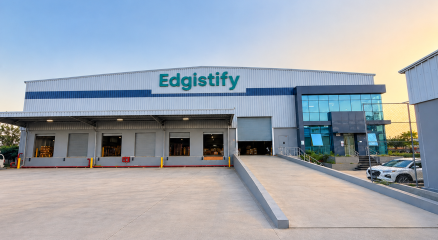
Edgistify has expanded its fulfilment network in the Gurugram region with the addition of a 68,000 sq ft warehouse at IndoSpace’s logistics park in Luhari, Haryana. The facility marks the company’s third high-grade warehouse in the region, with both new and existing customers already shipping orders from the site. The expansion comes ahead of the festive season, when consumer brands face heightened order volumes and tighter fulfilment timelines. With its two existing Gurugram facilities operating at full capacity, Edgistify is positioning the Luhari warehouse to provide additional storage and fulfilment capacity, enabling brands to consolidate inventory rather than distribute it across multiple logistics partners during demand peaks. The company’s operations are designed to accommodate order surges of up to 2.5 times normal volumes, supporting brands as they navigate seasonal demand fluctuations across multiple sales channels. The new facility will serve direct-to-consumer websites, online marketplaces, quick-commerce platforms and modern trade through a common inventory pool. This integrated approach is particularly relevant as quick-commerce platforms increasingly require brands to fulfil smaller business-to-business consignments more frequently and within fixed delivery slots. Such requirements make inventory proximity and efficient dock operations increasingly important for timely dispatch and truck turnaround. “Our brands have grown faster than our existing space could keep up with, and the festive season is when that pinch shows most,” said Umang Shukla, Co-founder and CEO, Edgistify. He added that the company selected IndoSpace for its warehouse infrastructure, while the Luhari facility would operate under the same team as its existing sites, providing customers with additional capacity within a familiar network. On the technology front, Edgistify will continue to accommodate different warehouse management requirements. Brands using their own warehouse management systems can retain them while Edgistify manages on-ground operations. Those without an existing system can use EdgeOS, the company’s in-house platform, which integrates with their existing storefronts, marketplaces and enterprise resource planning (ERP) systems. The company has also sought to simplify expansion for existing customers, allowing them to move inventory to Luhari without undergoing a fresh vendor onboarding process. By adding capacity in a key logistics market ahead of the festive peak, Edgistify aims to address growing fulfilment requirements while supporting multi-channel distribution and the faster replenishment cycles associated with quick commerce.



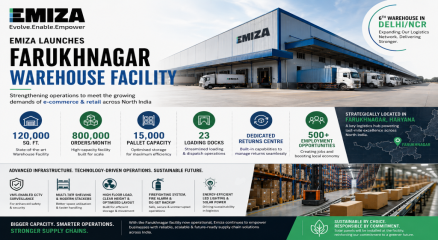
Emiza, one of India's leading Third-Party Logistics (3PL) providers, has strengthened its warehousing and fulfilment network with the launch of a new logistics facility in Farukhnagar, Haryana. The expansion comes amid rising demand from the e-commerce, retail and consumer sectors for faster, scalable and technology-driven supply chain solutions across northern India. The newly operational facility spans 120,000 sq ft and marks Emiza's sixth warehouse in the Delhi-NCR region, taking the company's overall warehousing footprint to more than 60 million cubic feet across 11+ cities and 11+ states. Strategically located in one of North India's key logistics hubs, the warehouse offers a pallet capacity of 15,000, features 23 loading docks, and is designed to process up to 800,000 orders per month. The facility will also function as a dedicated returns processing centre, enabling partner brands to efficiently manage reverse logistics operations while improving inventory visibility and customer experience. Commenting on the development, Ajay Rao, Founder & CEO, Emiza, said: “The Farukhnagar warehouse is a milestone in Emiza’s journey to redefine how logistics infrastructure supports modern businesses. Beyond its physical scale, it reflects a vision of agility, resilience, and forward-thinking design, where operations can quickly adapt to changing market needs. This facility enables us to respond faster to client demands, integrate advanced systems for seamless supply chain management, and set a benchmark for future expansion.” Built to support high-volume operations, the facility incorporates VMS-enabled CCTV surveillance, multi-tier shelving systems, modern stackers, balanced ventilation, and advanced warehouse management infrastructure. Its high floor load-bearing capacity, optimised clear height, and dedicated loading and unloading bays are designed to improve storage efficiency and accelerate cargo movement. Jitendra Kumar, Co-founder, Emiza stated, “The Farukhnagar facility has been built with a strong focus on operational efficiency and smooth movement of goods. From the layout of the warehouse to the equipment installed, every element is designed to support faster handling, accurate storage and timely dispatch.” The facility also integrates comprehensive safety measures, including advanced firefighting and alarm systems, DG-set power backup, and energy-efficient LED lighting to ensure uninterrupted operations and compliance with industry standards. In line with Emiza's sustainability roadmap, solar panels will be installed at the warehouse, replicating initiatives already implemented at the company's KSquare facility. Beyond operational expansion, the project is expected to generate more than 500 employment opportunities, contributing to regional economic growth and strengthening Farukhnagar's position as a prominent logistics destination. With the addition of the Farukhnagar warehouse, Emiza continues to deepen its presence across strategic logistics corridors, enhancing its ability to deliver reliable, scalable and future-ready supply chain solutions for India's rapidly evolving commerce ecosystem.