Inaugural freight train marks milestone in Indo-Bangla Railway Project
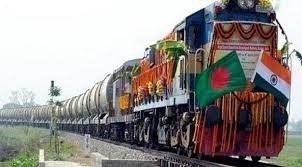
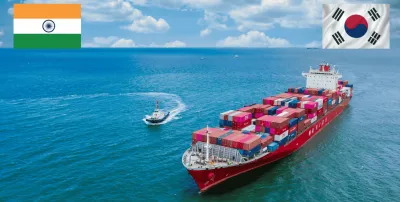
A significant milestone has been achieved in the Indo-Bangla railway project with the inauguration of the inaugural freight train connecting Bangladesh's Gangasagar to Tripura's Nischintanpur. This momentous event marks a significant step forward in strengthening the rail connectivity between the two neighboring countries.
The new railway connection is set to enhance trade and commerce between India and Bangladesh, providing a more efficient and cost-effective mode of transportation for goods. It will not only boost bilateral trade but also promote economic development in the region by opening up new opportunities for businesses and industries.
The Indo-Bangla railway project is part of a broader effort to improve connectivity and foster closer ties between the two nations. It is expected to play a vital role in facilitating the movement of goods and passengers, ultimately contributing to the economic growth and prosperity of both countries.
NX Logistics India expands footprint with new warehouse partnership with Zepto
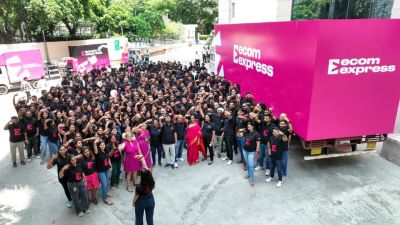
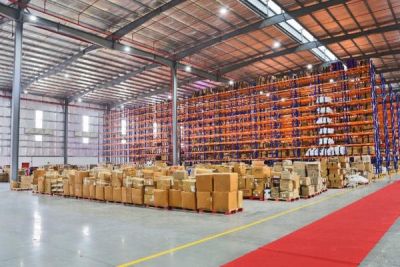
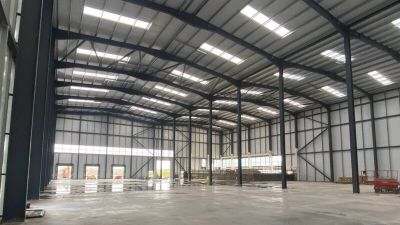
NX Logistics India Private Limited, a subsidiary of NIPPON EXPRESS HOLDINGS, INC., has inaugurated a new warehouse in Hoskote, located in eastern Bengaluru. The facility, which spans 16,608m², is designed to cater to the growing demands of Zepto, one of India’s largest and most prominent quick-commerce companies. Established in 2021, Zepto has swiftly made its mark by offering 10-minute delivery services across a wide array of products, from groceries to toys.
The new warehouse will play a pivotal role in supporting Zepto’s fast-paced operations, housing a variety of goods including food, fast-moving consumer goods (FMCG), and household items. The location offers strategic access to key transport networks, ensuring efficient distribution across Bengaluru. Equipped with advanced data analytics, the warehouse will optimise logistics workflows, helping Zepto further streamline its supply chain operations in the region.
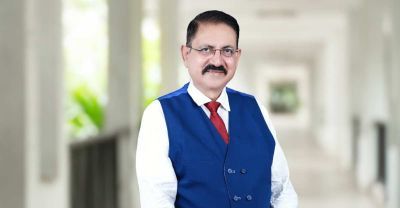
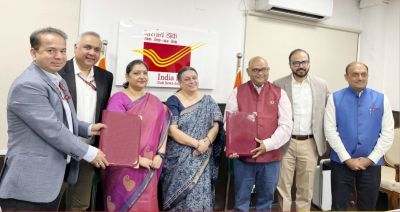
The partnership between NX Logistics and Zepto was formally celebrated during an opening ceremony on December 9, 2024. The event was attended by key figures including Vinay Dhanani, President of Zepto, Madhusudhan G., Chairman of real estate partner Sumadhura, and Teruaki Nagoya, NX Group India Representative.
NX Logistics India aims to expand its services both locally and globally, further strengthening its logistics offerings and contributing to the broader evolution of India’s supply chain and logistics sector. Through this collaboration, NX is poised to enhance Zepto’s logistics efficiency while supporting the rapid growth of the quick-commerce industry in India.
Changi Airport to prioritise pharmaceuticals and e-commerce amid cargo constraints
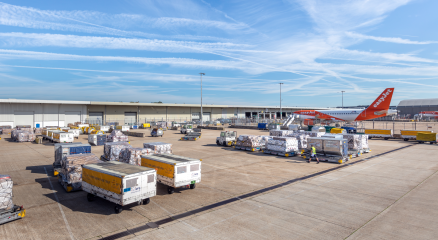
Singapore’s Changi Airport is sharpening its focus on pharmaceuticals and e-commerce shipments to navigate constrained cargo capacity until planned expansion in the 2030s. According to Lim Ching Kiat, Executive Vice President of Air Hub and Cargo Development at Changi Airport Group, current facilities face mounting pressure due to growing regional demand, necessitating strategic tenant and cargo type management.
E-commerce continues to be a key growth driver for air cargo globally, fueled by major players like Shein, Temu, and TikTok Shop. At the same time, Singapore is solidifying its position as Southeast Asia’s preferred pharmaceutical hub, attracting investments from global biopharma giants such as Thermo Fisher, Sanofi, BioNTech, and MSD.
Looking ahead, Changi Airport plans to launch a second logistics park by the 2030s, aiming to increase its annual cargo capacity from 3 million tons to 5.4 million tons. The new free trade zone will further expedite cargo handling and redistribution.
In 2024, Changi Airport reported handling 1.99 million tons of airfreight, a 14.6% rise from 2023, driven by robust cross-border e-commerce demand, improved trade routes with China and the U.S., and recovering electronics exports. Top air cargo markets included China, Australia, the U.S., Hong Kong, and India.
RE Rogers ensuring you look no further than them for a great exhibition experience
Building a visionary company requires one percent vision and 99 percent alignment. This analogy resonates deeply when we compare the process of building a company to conducting a symphony orchestra. Just as a conductor leads musicians to create a harmonious masterpiece, a successful business and its management fosters alignment among team members to achieve extraordinary success.
In the business world, this vision translates into a clear understanding of where the company wants to go and what it aspires to achieve. The one percent of vision acts as the guiding force that sets the stage for greatness. However, a conductor alone cannot create a symphony. The true magic lies in the collective effort of the musicians, each playing their part to perfection. Similarly, in a visionary company, alignment becomes paramount. Every team member needs to be facing in the right direction, equipped with the right skills, and focused on delivering the right results at the right time.
By fostering alignment, harnessing the diverse talents within the team, and continuously fine-tuning performance, savvy teams and visionary leaders carry the potential to transform their companies into harmonious and successful organisations that resonate with greatness.
Embracing the power of alignment, inspiring teams with a clear vision, and actively cultivating an environment where every member can contribute their unique talents, RE Rogers India has over the years formed an indispensable pillar of business triumph. Most recently, the company orchestrated a symphony of success handling over 300 events in the fiscal year 2023.
Four of these were mammoth events taking place in four different cities at around the same time frame. And these were not merely gatherings, they were milestones. The four gigantic events (CPHI and PMEC 2023 – 28 to 30 November at India Expo Centre, Noida; ENGIMACH 2023 – 6 to 10 December at Helipad Exhibition Centre, Gandhinagar, Gujarat; EXCON 2023 – 12 to 16 December at Bangalore International Exhibition Centre, Bengaluru; PLASTIVISION 2023 – 7 to 11 December at Bombay Exhibition Centre, Mumbai) entailed approximately 650 on-ground manpower, 4300 packages, 370 equipment display, and 3600 vehicles.
The symphony of greatness bubbled up in RE Rogers India's operational procedures and functions, and the teams and management leadership soared to create a masterpiece of lasting success as always.
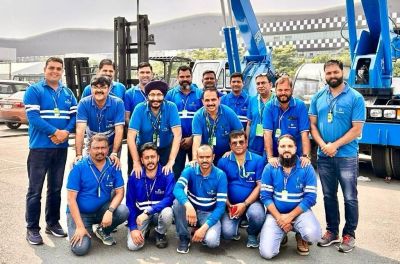
"To our heroes who faced the challenges head-on in handling their jobs with total finesse, and to our valuable customers who trusted us blindly during our busiest period pan-India: A HUGE THANK YOU!," the RE Rogers India team was quoted expressing in a LinkedIn post.
As the demand for large-scale events and exhibitions continues to rise, the need for comprehensive and reliable exhibition logistics services has never been more critical. In India, where the exhibition industry thrives, one name stands out among the rest — RE Rogers India — who have been delivering unparalleled logistical solutions tailored to the unique demands of the exhibition sector. RE Rogers India have years of first-hand, specialist experience in handling every aspect of exhibitions, ranging from freight forwarding, transportation, customs formalities, secure handling of materials, on-time delivery and site assistance and supervision.
Remember that logistics is not just about getting your materials from point A to point B; it’s about ensuring a seamless and stress-free experience for everyone involved in your exhibition, from exhibitors to attendees. So, if you partner with RE Rogers India, you’re not just hiring a logistics company; you’re bringing a dedicated and reliable team on board to ensure your exhibition materials reach their destination in perfect condition and on time. Having served a variety of clients from both the domestic and international arena, the company has developed deep understanding of the unique challenges of delivering time-critical goods in the face of huge crowds, open day pressure, and complex logistical requirements.
RE Rogers India fully understands the value of complete exhibition sets in terms of the clients’ reputation and market standing, ranging from trade show booths, exhibits, and other equipment, which include wooden panels, steel frames, prefabricated designs, bunk houses, E-houses, printed material, lights, electronic items and other display resources. The company therefore takes utmost care to pay close attention to critical things like packing, loading, storing, lifting, etc. so as to eliminate any chance of damage. Due diligence is also exercised in choosing optimum and fastest mode of transport to enable the materials to reach the venue well in time, so as to facilitate timely set-up by the clients team at the venue. Post-exhibition, pick-up and delivery back to the shipper is also handled.
With RE Rogers India as your esteemed logistics partner, you can focus on wowing your audience and making the most of your exhibition experience.
Under the astute leadership of Ravinder Sethi, RE Rogers India is not just reaching new heights; it is setting successive benchmarks. With the innate ability to see through the intricacies and a commitment to perfection down to the minutest detail, Sethi has steered the company towards a trajectory of unparalleled success. His visionary approach complemented by the team's meticulous attention to excellence have become the driving force behind RE Rogers' ascent in the events and exhibition logistics sector. The collective efforts of Sethi and his entire team continue to sculpt a legacy of precision and excellence in the world of logistics that remains exciting, challenging and rewarding.
Riding the Waves of Change: India’s Logistics Sector over the Past Decade
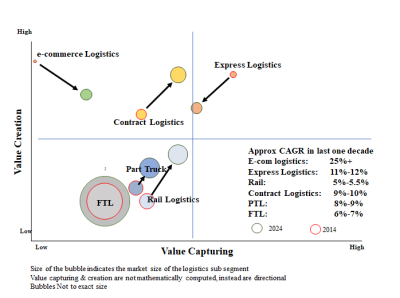
The past decade has been a transformative period for the Indian logistics sector, characterised by a blend of challenges and growth opportunities. Key milestones such as the formal recognition of logistics as infrastructure, the implementation of GST, and disruptions from COVID-19 have reshaped the industry landscape. During this time, technology adoption surged, sustainability became a focal point, and the sector prioritised agility and resilience. As a result, new business models emerged, and the sector registered a growth rate of 8%-9%.
Throughout this period of growth, logistics companies have created significant value for their customers by offering innovative solutions, improving efficiency, and providing exceptional service experiences. However, the process of capturing and capitalising on this value is complex, requiring long-term investment and strategic focus. Companies typically follow one of two paths: competitive pricing or superior customer value. Yet, only a few have successfully extracted profits and solidified their competitive position, while others have faced decline.
On a broader scale, while the logistics sector has made substantial progress in innovation, infrastructure, and technology, its financial returns and profitability have often fallen short of expectations. The challenge lies in the varied performance of subsegments such as express delivery, e-commerce logistics, and contract logistics. Each of these subsegments faces distinct challenges, influenced by factors such as market demand, regulatory policies, technological integration, and investment levels, leading to diverse outcomes across the sector.
India's transportation sector is predominantly road-based, with nearly two-thirds of the market share. Among road logistics, Full Truck Load (FTL) remains highly fragmented, with a minimal presence of organised players. While the market has nearly doubled over the last decade, along with technology adoption in fleet and transport management, startups like Blackbuck have made attempts to drive the sector toward organisation, but no significant breakthroughs have emerged. As a result, FTL has struggled to create substantial value for customers, and profitability within the segment has remained stagnant.
The second major segment in road logistics is Part Truck Load (PTL) services, where organised players have made gradual improvements. Companies like VRL and V-Trans India have established a national presence, supported by relevant infrastructure and technology. These organised players have delivered tangible value to customers, improving profitability alongside revenue growth through a cost-conscious approach.
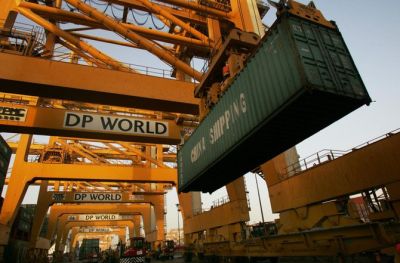
Rail logistics, on the other hand, has created significant value in specific subsegments, such as container train operators, private rail operators, and car carriers. While Indian Railways remains the primary infrastructure provider, private players like Adani, DP World, Gateway Distriparks, and Pristine have experienced profitable growth over the past decade.
E-commerce logistics has been the most hyped segment in the last ten years. While e-commerce logistics started gaining traction in 2010, it exploded in 2014 with technological advancements and the emergence of new-age companies. This segment has grown into a US$6 billion market, creating immense value by reducing transit times, improving customer service, and offering tech-driven solutions. However, as these differentiators become industry standards, the rate of value creation has slowed. Despite significant investments to achieve profitability, most e-commerce companies are still either EBITDA-negative or marginally positive. While they have made strides in reducing losses, profitability remains below industry benchmarks.
The express logistics segment, largely controlled by organised players, has also experienced incremental improvements in service offerings and customer service. Despite challenges such as declining document volumes, slow air cargo growth, and cost pressures, express logistics has achieved double-digit growth. However, the segment has failed to create significant new value, as many differentiators have now become standard offerings. This inability to create and capture value raises concerns for the future of express logistics.
In contrast, the contract logistics segment has benefited from complex global supply chains and the post-GST momentum, providing significant opportunities for value creation through optimisation. Organised players, with their advanced solutions, technology, and automation, have been able to capture substantial value in this segment.
Overall, while the logistics industry has created value across most of its segments, the ability to capture this value has been suboptimal. Factors such as technological advancements, sustainability trends, and evolving customer expectations will continue to influence value creation. However, value capture will hinge on effective pricing strategies, market positioning, and operational scalability. In the future, a balance between continuous innovation and profitability will be essential for long-term success in the logistics industry.
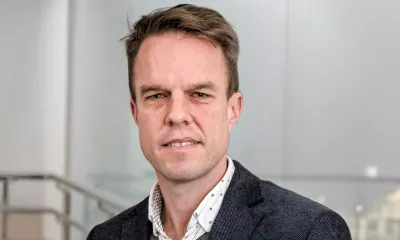
Author: Vikash Khatri, Founder, Aviral Consulting