Pepperfry has enhanced consumer experience manifold by building curated home furniture and décor marketplace, ensuring highest levels of quality control and providing a robust post-transaction experience through last-mile delivery and installation services. Satish Chandra Mishra, AVP and Head- Supply Chain, Pepperfry informs Upamanyu Borah about the company’s market leading position, which is a combination of innovation and rapid expansion of its logistics infrastructure, packaging, fulfilment and transportation capabilities to meet the growing business demands.
Outset of operations
Over a period of seven and a half years, Pepperfry has established itself as a leader in the online home and furniture segment by building special competencies to serve the Indian market and bridge existing gaps in the segment.
In 2014, Pepperfry pioneered the omnichannel model by launching its first experiential studio in Mumbai. Today, the company operates 65 such studios across 24 cities in India, which are built on the solid bedrock of an unparalleled supply chain infrastructure. These studios allow Pepperfry to interact with consumers through multiple touch points.
Leveraging the understanding of Indian consumers in the segment, Pepperfry introduced ten dynamic house brands, each of which can be distinguished on the basis of their design philosophy and price points, therefore democratising the furniture market. To elevate customer experience further, and cement its position in the market, the company built its own logistics network becoming the first-of-its-kinds in the online furniture segment.
Overcoming barriers to distribution
Initially, a robust logistics framework continued to be a challenge for Pepperfry. The company relied on third party vendors to ship its products, as the logistics infrastructure in India for large item delivery was significantly under-developed and shipping bulky items such as furniture was either prohibitively expensive or took too long. The company also faced challenges like lack of earnestness on the part of vendors to go beyond stipulated practices to deliver to the doorstep of consumers.
Pepperfry therefore constructed a proprietary hub and spoke large item distribution model that significantly reduced per unit shipping costs, increased scale and operating efficiencies and achieved unprecedented service levels at negligible damage rates.
Leading innovations
Pepperfry has introduced various innovative techniques like blanket deliveries that are environment friendly and ensures zero damages as these blankets can be re-used saving carbon footprints. Besides, specialised product handling techniques such as staircase trolleys for delivery of products to highrise apartment, shoulder dollies to lift products easily and tool boxes to enable open packaging, are practiced.
Pepperfry has replaced wooden crates with honeycomb boxes and corrugated boxes with higher specifications, which have helped to reduce delivery timelines, save cost and improve customer experience. In addition, Pepperfry has introduced angle board framing, styrene fitments for fragile glassware, and pizza box packs for furnishings.
The company has also deployed a proprietary tool to track, update and execute deliveries alongside a customised warehouse management system (WMS) at fulfilment centers to handle multi-box parent child complexity. Vehicle tracking and maintenance tool for in-house vehicles and the last-mile mobile application for real time delivery updates are other technological features in use in operations.
To stay healthy, every aspect of a business needs feedback loops. Pepperfry’s feedback loop data monitoring and processing systems gets triggered basis certain conditions and raises appropriate alerts, enabling the company to take pre-emptive measures to ensure seamless services.
Building relationships
So far, Pepperfry has collaborated with over 10,000 suppliers, 3,000 artisans, and 3,000 suppliers across sourcing hubs. Pepperfry’s supply chain team works closely with merchants on the movement of the products from the warehouse to the customer’s doorstep. Today, leading brands across the furniture and home industry sell their products on Pepperfry. The seller support team warrants onboarding suppliers to ensure they understand the quality standards and protocols set up by Pepperfry.
To celebrate the burgeoning partnership, Pepperfry felicitates its suppliers at the Annual Merchant Conference. The conference forms a key part of Pepperfry’s endeavour to recognise the efforts of suppliers who have been imperative in helping the company build a differentiated catalogue of more than 1,00,000 products.
With above, the company works with the best logistics partners in the industry and has built a robust Key Performance Indicator (KPI) driven incentive program for them through which there is provision for structured periodic reviews.
For customers, Pepperfry provides assembly and installation support through a team of more than 250+ carpenters across major towns and cities.
Logistics and SCM
Pepperfry is the first online furniture marketplace to build its own logistics network - Pepcart, which has helped in not only rationalising time and costs but also overcome sectoral challenges that existed erstwhile.
For efficient management of its vast network and product portfolio, the company has built a proprietary large item distribution logistics model. Pepperfry commenced the origin to hub shipment process through contracted trucking arrangements in April 2013, and since then the company has significantly reduced per unit costs with increasing scale and operating efficiencies.
Pepperfry has assigned service officers within Pepperfry’s delivery team who look after special requirements like scheduling of delivery basis customer request, change of address, route planning basis heat map with zoning logic, carpenter scheduling along with delivery, timely delivery status updates through SMS and ensuring loading of products using vehicle partition to improve vehicle utilisation and reduce damages in transit. The executives are liable to draft/login a planning sheet and incorporate the same in the route planning algorithm.
Today, Pepperfry runs India’s largest big-box supply chain in the country. The company’s specialised large item delivery fleet of more than 350 vehicles operating from 19 hubs across the country serves customers in 500+ cities.
Flexibility
Pepperfry’s customers are always wellinformed about their order; this is done at various stages of the customer interaction cycle. The process starts from cataloguing and continues into sharing expected delivery timelines, post-purchase tracking of product location through unique tracking URL and regular Email and SMS communication from the delivery team for assembly. In case of a cancelled order or a delayed delivery, information is promptly shared through Email or SMS. If an unresolved complaint is raised (through various channels), the customer service team contacts the customer within the defined timelines and ensures closure within servicelevel agreement (SLA).
Pepperfry’s focus is on non-repeatability, which is accomplished by undertaking thorough follow-ups with the concerned customer until any pertaining issue has been resolved. Additionally, Pepperfry has a ‘track your order feature’ where every customer can track the product in the delivery cycle and is well-informed about the expected date of delivery. It also incorporates real-time calculation of delivery timelines that has a 98 per cent hit-rate of the promised timeline.
Success rate formula
The big-box logistics model has benefitted the company significantly across verticals. The key factors that have resulted in a seamless customer service are significant reduction in timelines, minimum cancellations due to damages in transit, reduction in shipping costs and lower attrition of logistics staff. Other key differentiators such as 100 per cent open delivery, blanket deliveries, auto scheduling of deliveries among others have been highly appreciated by customers.
Pepperfry has successfully implemented ‘WE CARE’ program across blue-collar employees where each letter has a meaning associated with customer ethos in mind and stands for World-Class Service- Consistent, Accurate, Responsive and Empathetic.
Pepperfry tracks NPS as a key indicator to customer satisfaction. The NPS for the organisation stands at 65+ for over last three years. Social media is another yardstick where Pepperfry is in the top percentile in E-commerce with highest social media applauds and cleans Facebook and Twitter walls. Pepperfry takes pride in having the highest repeat order customers of 50 per cent in the industry.
Certifications and Standards
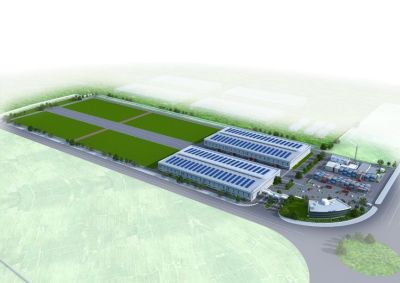
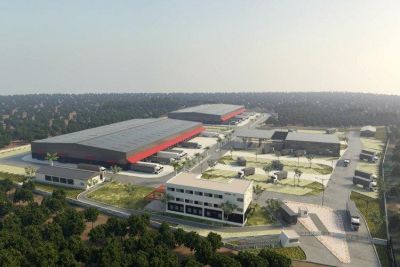
Pepperfry recently received the International Organisation for Standardisation (ISO) certification for its 285,000 sq ft Mumbai fulfilment centre. This makes Pepperfry’s warehouse the first in India to be ISO certified with three critical certifications and the only one in the furniture and home segment in the country to attain this accreditation.
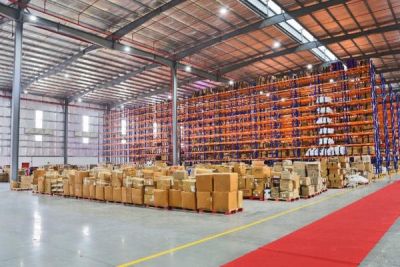
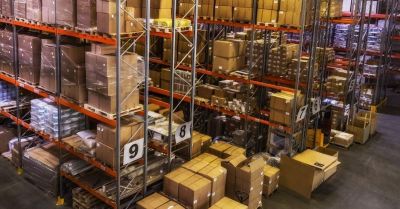
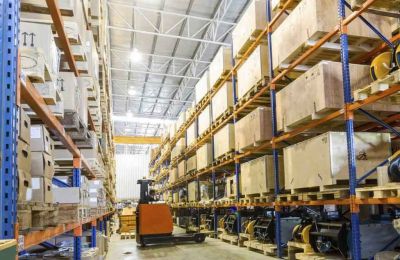
The company’s warehouse in Padgha of Bhiwandi spanning across 285,000 sq ft and one of India’s largest furniture warehouses built with stateof-the-art automation and material handling capabilities including G+7 racking systems, battery operated trucks and multi-storey fetching reach trucks, received certification for ISO 9001:2015 (QMS- Quality Management System), ISO 14001:2015 (EMS- Environment Management System) and ISO 45001:2015 (OHSAS- Occupation Health Safety and Assessment Series). The ISO 9001:2015 certifies the high emphasis on quality and operating efficiency of Pepperfry fulfilment centres.
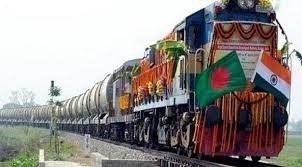
A significant milestone has been achieved in the Indo-Bangla railway project with the inauguration of the inaugural freight train connecting Bangladesh's Gangasagar to Tripura's Nischintanpur. This momentous event marks a significant step forward in strengthening the rail connectivity between the two neighboring countries. The new railway connection is set to enhance trade and commerce between India and Bangladesh, providing a more efficient and cost-effective mode of transportation for goods. It will not only boost bilateral trade but also promote economic development in the region by opening up new opportunities for businesses and industries. The Indo-Bangla railway project is part of a broader effort to improve connectivity and foster closer ties between the two nations. It is expected to play a vital role in facilitating the movement of goods and passengers, ultimately contributing to the economic growth and prosperity of both countries.
The past decade has been a transformative period for the Indian logistics sector, characterised by a blend of challenges and growth opportunities. Key milestones such as the formal recognition of logistics as infrastructure, the implementation of GST, and disruptions from COVID-19 have reshaped the industry landscape. During this time, technology adoption surged, sustainability became a focal point, and the sector prioritised agility and resilience. As a result, new business models emerged, and the sector registered a growth rate of 8%-9%. Throughout this period of growth, logistics companies have created significant value for their customers by offering innovative solutions, improving efficiency, and providing exceptional service experiences. However, the process of capturing and capitalising on this value is complex, requiring long-term investment and strategic focus. Companies typically follow one of two paths: competitive pricing or superior customer value. Yet, only a few have successfully extracted profits and solidified their competitive position, while others have faced decline. On a broader scale, while the logistics sector has made substantial progress in innovation, infrastructure, and technology, its financial returns and profitability have often fallen short of expectations. The challenge lies in the varied performance of subsegments such as express delivery, e-commerce logistics, and contract logistics. Each of these subsegments faces distinct challenges, influenced by factors such as market demand, regulatory policies, technological integration, and investment levels, leading to diverse outcomes across the sector. India's transportation sector is predominantly road-based, with nearly two-thirds of the market share. Among road logistics, Full Truck Load (FTL) remains highly fragmented, with a minimal presence of organised players. While the market has nearly doubled over the last decade, along with technology adoption in fleet and transport management, startups like Blackbuck have made attempts to drive the sector toward organisation, but no significant breakthroughs have emerged. As a result, FTL has struggled to create substantial value for customers, and profitability within the segment has remained stagnant. The second major segment in road logistics is Part Truck Load (PTL) services, where organised players have made gradual improvements. Companies like VRL and V-Trans India have established a national presence, supported by relevant infrastructure and technology. These organised players have delivered tangible value to customers, improving profitability alongside revenue growth through a cost-conscious approach. Rail logistics, on the other hand, has created significant value in specific subsegments, such as container train operators, private rail operators, and car carriers. While Indian Railways remains the primary infrastructure provider, private players like Adani, DP World, Gateway Distriparks, and Pristine have experienced profitable growth over the past decade. E-commerce logistics has been the most hyped segment in the last ten years. While e-commerce logistics started gaining traction in 2010, it exploded in 2014 with technological advancements and the emergence of new-age companies. This segment has grown into a US$6 billion market, creating immense value by reducing transit times, improving customer service, and offering tech-driven solutions. However, as these differentiators become industry standards, the rate of value creation has slowed. Despite significant investments to achieve profitability, most e-commerce companies are still either EBITDA-negative or marginally positive. While they have made strides in reducing losses, profitability remains below industry benchmarks. The express logistics segment, largely controlled by organised players, has also experienced incremental improvements in service offerings and customer service. Despite challenges such as declining document volumes, slow air cargo growth, and cost pressures, express logistics has achieved double-digit growth. However, the segment has failed to create significant new value, as many differentiators have now become standard offerings. This inability to create and capture value raises concerns for the future of express logistics. In contrast, the contract logistics segment has benefited from complex global supply chains and the post-GST momentum, providing significant opportunities for value creation through optimisation. Organised players, with their advanced solutions, technology, and automation, have been able to capture substantial value in this segment. Overall, while the logistics industry has created value across most of its segments, the ability to capture this value has been suboptimal. Factors such as technological advancements, sustainability trends, and evolving customer expectations will continue to influence value creation. However, value capture will hinge on effective pricing strategies, market positioning, and operational scalability. In the future, a balance between continuous innovation and profitability will be essential for long-term success in the logistics industry. Author: Vikash Khatri, Founder, Aviral Consulting
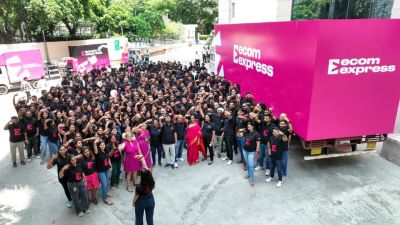
Ecom Express Limited, India’s sole pure-play B2C e-commerce logistics provider as of the Financial Year 2024, has introduced a new brand identity, underscoring its commitment to customer-centricity. This rebranding reflects a focus on addressing specific customer needs, prioritising customer-facing metrics, and integrating innovative technology across its nationwide express logistics network. The goal is to enhance speed, agility, and network reach, ensuring a customer-focused approach. The rebranding includes a dynamic logo and a refreshed visual identity, symbolising Ecom Express’s pursuit of excellence. The new logo features a forward-moving arrow within a square, representing the company’s dedication to delivery. The letter "E" in the logo stands for Expression, Innovation, and Progress, while the bold magenta colour signifies bravery, self-expression, and strength. This vibrant magenta reintroduction reflects Ecom Express's renewed commitment to customers, partners, and team members, as the company aims to simplify and democratise logistics for all. Ajay Chitkara, CEO and MD of Ecom Express, elaborated on the transformation, stating, “Our refreshed brand identity reaffirms our customer-first approach as we continue to integrate technology and innovation to provide reliable, high-speed services with the widest network reach. This transformation also underscores our commitment to our employees and delivery partners, who are essential to our business.” The new logo embodies Ecom Express’s dedication to its core values, focusing on customer welfare and fostering a diverse, inclusive environment. This rebranding signifies a promise to redefine logistics through advanced technology, making life easier for all types of customers.
Building a visionary company requires one percent vision and 99 percent alignment. This analogy resonates deeply when we compare the process of building a company to conducting a symphony orchestra. Just as a conductor leads musicians to create a harmonious masterpiece, a successful business and its management fosters alignment among team members to achieve extraordinary success. In the business world, this vision translates into a clear understanding of where the company wants to go and what it aspires to achieve. The one percent of vision acts as the guiding force that sets the stage for greatness. However, a conductor alone cannot create a symphony. The true magic lies in the collective effort of the musicians, each playing their part to perfection. Similarly, in a visionary company, alignment becomes paramount. Every team member needs to be facing in the right direction, equipped with the right skills, and focused on delivering the right results at the right time. By fostering alignment, harnessing the diverse talents within the team, and continuously fine-tuning performance, savvy teams and visionary leaders carry the potential to transform their companies into harmonious and successful organisations that resonate with greatness. Embracing the power of alignment, inspiring teams with a clear vision, and actively cultivating an environment where every member can contribute their unique talents, RE Rogers India has over the years formed an indispensable pillar of business triumph. Most recently, the company orchestrated a symphony of success handling over 300 events in the fiscal year 2023. Four of these were mammoth events taking place in four different cities at around the same time frame. And these were not merely gatherings, they were milestones. The four gigantic events (CPHI and PMEC 2023 – 28 to 30 November at India Expo Centre, Noida; ENGIMACH 2023 – 6 to 10 December at Helipad Exhibition Centre, Gandhinagar, Gujarat; EXCON 2023 – 12 to 16 December at Bangalore International Exhibition Centre, Bengaluru; PLASTIVISION 2023 – 7 to 11 December at Bombay Exhibition Centre, Mumbai) entailed approximately 650 on-ground manpower, 4300 packages, 370 equipment display, and 3600 vehicles. The symphony of greatness bubbled up in RE Rogers India's operational procedures and functions, and the teams and management leadership soared to create a masterpiece of lasting success as always. "To our heroes who faced the challenges head-on in handling their jobs with total finesse, and to our valuable customers who trusted us blindly during our busiest period pan-India: A HUGE THANK YOU!," the RE Rogers India team was quoted expressing in a LinkedIn post. As the demand for large-scale events and exhibitions continues to rise, the need for comprehensive and reliable exhibition logistics services has never been more critical. In India, where the exhibition industry thrives, one name stands out among the rest — RE Rogers India — who have been delivering unparalleled logistical solutions tailored to the unique demands of the exhibition sector. RE Rogers India have years of first-hand, specialist experience in handling every aspect of exhibitions, ranging from freight forwarding, transportation, customs formalities, secure handling of materials, on-time delivery and site assistance and supervision. Remember that logistics is not just about getting your materials from point A to point B; it’s about ensuring a seamless and stress-free experience for everyone involved in your exhibition, from exhibitors to attendees. So, if you partner with RE Rogers India, you’re not just hiring a logistics company; you’re bringing a dedicated and reliable team on board to ensure your exhibition materials reach their destination in perfect condition and on time. Having served a variety of clients from both the domestic and international arena, the company has developed deep understanding of the unique challenges of delivering time-critical goods in the face of huge crowds, open day pressure, and complex logistical requirements. RE Rogers India fully understands the value of complete exhibition sets in terms of the clients’ reputation and market standing, ranging from trade show booths, exhibits, and other equipment, which include wooden panels, steel frames, prefabricated designs, bunk houses, E-houses, printed material, lights, electronic items and other display resources. The company therefore takes utmost care to pay close attention to critical things like packing, loading, storing, lifting, etc. so as to eliminate any chance of damage. Due diligence is also exercised in choosing optimum and fastest mode of transport to enable the materials to reach the venue well in time, so as to facilitate timely set-up by the clients team at the venue. Post-exhibition, pick-up and delivery back to the shipper is also handled. With RE Rogers India as your esteemed logistics partner, you can focus on wowing your audience and making the most of your exhibition experience. Under the astute leadership of Ravinder Sethi, RE Rogers India is not just reaching new heights; it is setting successive benchmarks. With the innate ability to see through the intricacies and a commitment to perfection down to the minutest detail, Sethi has steered the company towards a trajectory of unparalleled success. His visionary approach complemented by the team's meticulous attention to excellence have become the driving force behind RE Rogers' ascent in the events and exhibition logistics sector. The collective efforts of Sethi and his entire team continue to sculpt a legacy of precision and excellence in the world of logistics that remains exciting, challenging and rewarding.
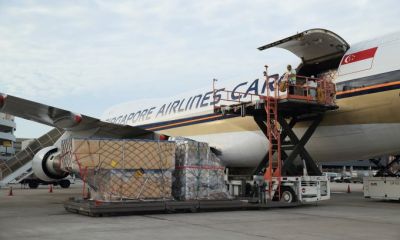
Singapore’s Changi Airport is sharpening its focus on pharmaceuticals and e-commerce shipments to navigate constrained cargo capacity until planned expansion in the 2030s. According to Lim Ching Kiat, Executive Vice President of Air Hub and Cargo Development at Changi Airport Group, current facilities face mounting pressure due to growing regional demand, necessitating strategic tenant and cargo type management. E-commerce continues to be a key growth driver for air cargo globally, fueled by major players like Shein, Temu, and TikTok Shop. At the same time, Singapore is solidifying its position as Southeast Asia’s preferred pharmaceutical hub, attracting investments from global biopharma giants such as Thermo Fisher, Sanofi, BioNTech, and MSD. Looking ahead, Changi Airport plans to launch a second logistics park by the 2030s, aiming to increase its annual cargo capacity from 3 million tons to 5.4 million tons. The new free trade zone will further expedite cargo handling and redistribution. In 2024, Changi Airport reported handling 1.99 million tons of airfreight, a 14.6% rise from 2023, driven by robust cross-border e-commerce demand, improved trade routes with China and the U.S., and recovering electronics exports. Top air cargo markets included China, Australia, the U.S., Hong Kong, and India.


Addressing modern supply chain challenges requires a multi-faceted approach to enhance flexibility and efficiency. By adopting agile principles such as cross-functional teamwork, iterative planning, and continuous improvement, businesses can better navigate disruptions and meet market demands. Strategically aligning resources involves a comprehensive analysis of competitive and technological environments. Focussing on high-profit market segments and refining offerings to meet their specific needs are critical for achieving advantage in the business. Importantly, benchmarking innovation practices through structured methodologies helps organisations stay competitive. Investing in technology-driven solutions and advanced communication platforms is essential for improving collaboration and transparency. Leveraging digital tools such as predictive analytics, AI, and IoT enhances resilience and responsiveness to disruptions. Ultimately, the execution of strategic plans will bear fruit when combined with advanced technologies to ensure a resilient and efficient supply chain capable of adapting to evolving market conditions. At Omega Seiki Mobility (OSM), Manuj Malhotra, Vice President–Strategic Sourcing and Supply Chain, highlights that they are employing benchmarking approaches to support continuous improvement and adaptation. By integrating these practices with cutting-edge technologies and strategic planning, OSM is committed to maintaining a robust and agile supply chain that meets dynamic market demands and drives long-term success. OSM boasts five decades of manufacturing expertise, originating from the Anglian Omega Group. The group includes Omega Bright Steel, OBSC, OBSC Perfection, Yashdeep, Anglian Infra, Aditi Power, and ADM. Since its inception in 1971, the Anglian Omega Group has been involved in various sectors, including steel, auto components, cold chain logistics, and warehousing. With manufacturing facilities spread across India and global offices, the group generates over US$150 million in revenue and maintains a 10 per cent EBITDA. Rooted in automotive manufacturing, the company transitioned to electric vehicle production in 2018. OSM operates four manufacturing facilities across India, located in Faridabad and Pune. The company’s dealer network spans over 180 locations, and more than 7,000 satisfied users benefit from its products daily. The growing demand for affordable transportation, concerns about fuel efficiency, and last-mile logistics needs in emerging economies, along with the shift toward electric and hybrid vehicles driven by stricter emission regulations and government incentives, are key factors shaping the company’s trajectory. Building a Flexible Supply Chain One of the primary challenges is the insufficient number of charging stations, especially in rural areas. This leads to “range anxiety”, where individuals worry about running out of power without access to charging facilities. To address such challenges, agile supply chain methodologies are crucial. These methodologies focus on flexibility, responsiveness, and collaboration. By adopting agile principles like cross-functional teamwork, iterative planning, and continuous improvement, businesses can streamline their supply chain processes and quickly adapt to changes in demand or disruptions. Aligning Distinct Capabilities with New Novel Approaches An innovative strategy directs how resources are allocated to achieve business objectives related to innovation, value delivery, and competitive advantage. This strategy should begin with a comprehensive analysis of the business’s competitive and technological environment, including an evaluation of external challenges and opportunities. To effectively target and position your offerings, focus on market segments that promise the highest profitability. Ensure that your product or service meets the specific needs of these segments. Identifying and prioritising your most profitable customers and clearly defining your target market are crucial steps in this process. A well-rounded strategy also involves a market penetration approach, which aims to increase market share for existing products or services within current markets. This can be achieved through enhanced marketing efforts, better customer engagement, and refining product offerings to align more closely with market demands. Unique and Innovative Strategies Enabling Service Abilities Investing in technology solutions that support collaboration, such as unified procurement platforms, is one of our key strategies for enhancing supply chain efficiency. These platforms enable seamless data sharing across departments and facilitate real-time collaboration on sourcing, procurement, and payment processes. By integrating advanced communication technologies, organisations can achieve a higher level of coordination and transparency, which are essential for effective supply chain management. Effective supply chain collaboration depends on the strategic use of modern communication tools that enable real-time information sharing. These tools allow for better coordination and faster decision making, crucial for managing complex supply chains. Advanced communication technologies foster trust and transparency among partners, which are vital for maintaining strong relationships and addressing potential disruptions proactively. To improve supplier collaboration, organisations should focus on fostering open communication and establishing clear expectations. Regular information sharing, providing timely feedback, and addressing issues or concerns promptly are essential practices. By maintaining open lines of communication, organisations can ensure that all parties are aligned with the supply chain goals and can swiftly resolve any challenges that arise. Enabling Straightforward Value Generation Today, e-commerce has become a crucial component in modern supply chain management, offering platforms for seamless online ordering, payment processing, shipment tracking, and inventory management. This integration enhances the speed of order fulfilment and improves product visibility, making it easier for customers to locate and purchase products. Suppliers play a foundational role in the supply chain, providing the raw materials, components, and services essential for producing goods. Their reliability and the quality of their service are pivotal, as they directly influence the efficiency and effectiveness of the entire supply chain. Effective management of supplier relationships is therefore critical for maintaining a smooth and responsive supply chain. To optimise supply chain operations, it is important to facilitate collaboration and information sharing with suppliers. Sharing key supply chain information, such as order forecasts and inventory levels, fosters transparency and helps in better planning, reducing the risk of disruptions. Automation further enhances efficiency by streamlining requisition and purchase order creation, integrating payment processes, and minimising errors. This not only improves workflow but also boosts accuracy in order processing. Ensuring Technological Prowess in a Rapidly Evolving System Digital tools significantly enhance the resilience of supply chains by enabling companies to respond swiftly and effectively to disruptions. Technologies such as predictive analytics, Artificial Intelligence (AI) and Machine Learning (ML), the Internet of Things (IoT), Cloud Computing, and Advanced Robotics and Automation play a crucial role in this process. Predictive analytics allows businesses to foresee potential issues and develop proactive mitigation strategies. AI and ML algorithms can analyse vast amounts of data to identify patterns and predict disruptions before they occur. The IoT provides real-time visibility into supply chain operations, improving tracking and monitoring. Cloud Computing ensures scalability and flexibility in managing data and applications, while Advanced Robotics and Automation streamline operations and increase efficiency. Harnessing Innovation Benchmarking Innovation benchmarking offers numerous benefits, including evaluating your current innovation performance, identifying strengths and weaknesses, and learning from the best practices and mistakes of others. This process enables you to set both realistic and ambitious innovation goals and monitor progress effectively. Key sources of benchmarking data include industry reports, surveys, databases, publications, websites, associations, consultants, and direct interactions with other organisations. These sources provide valuable insights into industry standards and emerging trends. At OSM, we employ an eight-step approach to ensure effective benchmarking. This structured methodology helps keep our organisation aligned with its innovation objectives and enhances our ability to remain competitive and responsive to industry changes. Logistics—Essential to Strategy Logistics activities within a business organisation aim to meet customer demands by addressing time and location challenges, as well as optimising service cost and quality based on customers’ needs and purchasing power. To enhance supply chain efficiency, adopting logistics innovations, such as technology-driven third-party logistics (3PL) solutions, is essential. These advanced logistics management systems streamline warehousing, delivery, returns management, and procurement, significantly improving operational efficiency. By leveraging such innovations, organisations can better align their logistics capabilities with market demands and achieve a competitive edge in their supply chain operations. Warehousing Management to Alleviate the Bottom-Line Techniques such as 5S (Sort, Straighten, Shine, Standardise, and Sustain) and Just-in-Time (JIT) inventory management are effective in reducing lead times, enhancing order processing efficiency, and optimising supply chain operations. Standardising picking and packing procedures is crucial for minimising errors and reducing processing times. Additionally, comprehensive inventory management strategies should include stock classification, inventory control techniques, safety stock management, cycle counting, and warehouse space optimisation. Effective layout design and storage techniques are also essential for improving overall efficiency and maintaining a well-organised supply chain. By implementing these practices, organisations can streamline their operations, reduce costs, and better meet customer demands. New Frontiers pivotal to Evolution Advanced technologies are revolutionising the supply chain landscape. Emerging capabilities in generative AI, data analytics, automation, machine learning, the Internet of Things (IoT), blockchain, and other innovations are driving the evolution of ‘smart’ supply chains, setting new standards for efficiency and agility. At OSM, we are in the early stages of integrating these advanced technologies into our operations. We are adopting a Digital Work Management (DWM) approach to systematically incorporate these tools and ensure effective implementation. Through structured reviews and continuous evaluation, we are committed to embracing these innovations fully, aiming to transform our supply chain practices and maintain a competitive edge in the rapidly evolving market. “Adaptive” – tomorrow’s Supply Chain in one word Effective communication and exceptional customer service are crucial skills for success in supply chain management. Strong communication abilities facilitate successful negotiations with suppliers and stakeholders, while professional and courteous interactions build trust and foster long-term relationships with customers. To excel in supply chain management, it is essential to combine these skills with perseverance and a strong work ethic. Success requires not only generating innovative ideas but also executing them effectively. It is important to maintain integrity and patience throughout the process. While having a vision is important, the ability to implement and execute plans is what ultimately determines success in the dynamic field of supply chain management.




We’ve seen many instances of pharma companies quickly retooling manufacturing to start producing products that are in high demand. This ability to repurpose capacity provides a model for business agility going forward. End-to-end visibility across production and supply is essential. This includes real-time production monitoring systems and advanced planning and scheduling tools in manufacturing, as well as the ability to track and trace product – from materials to final product – as it passes along the supply chain. This requires an enterprise platform that connects the company with its suppliers, customers and partners to enable the real-time flow of information and transactions to create flexibility and robustness. However, accelerating product innovation and manufacturing requires more than identifying capacity; it also requires engineering, design, production, and distribution of resources. Overall, it is vital for patients to receive the medications they need without having to deal with stress or roadblocks along the way. Although the pharmaceutical supply chain face various challenges, companies like Mankind Pharma are taking the necessary steps to ensure a smooth process from manufacturing of products to delivery to patients. Excerpts from a recent interactionof Upamanyu Borah with Bharat Bhushan Rathi, Head of Logistics atone of India’s leading pharma company. Genesis and Market Position Mankind is the fastest growing pharmaceutical company from more than a decade and listed among top pharma companies in the Indian Formulation Market. In its 26 years of journey, since its inception, promoters (Juneja Brothers—R C Juneja and Rajeev Juneja) attached themselves to the market and customers, critically realising the need to provide solutions—filling the vacuum—by offering good quality pharma and medicinal products at affordable rates in a developing market like India, which is now the world’s third largest. The company’s approach reflects in its mission statement which states “to be able to provide cost-effective, innovation based on superior quality pharmaceutical products across the globe that improves the lives of the patients.” Racing towards a turnover of USD 1 Billion, Mankind’s success is attributed to the out-of-box thinking capabilities and strategies of its experienced management team and field force. COVID-19 and The Supply Chain This one-of-a-kind crisis that takes over countries and economies once in a century is so unanticipated. No one is aware or can prepare themselves for such a disruption. But, a company’s strength can be rightly judged in such abnormal situations when the need to evaluate market position and resiliency of operations is being adequately put to test. Mankind Pharma stands rock solid with the character of “Go Getter”—striving to diminish the gap between demand and supply in a volatile market. Our organisational behaviour to serve Mankind speaks volumes about our tireless commitment to quality that has earned the trust of our valued customers. Adaptability and Flexibility With each day passing, we are improving our system. It’s an on-going process. During and after the pandemic, we implemented the CONTROL TOWER system—a decentralised mechanism for each critical process objective to debottleneck show stopper processes. We implemented and embedded enhanced capability into the ERP system to make it robust, reliable, and efficient and help meet increased demand for personalisation and improve a broad range of business processes. There was also a focus on making systems ON LINE (i.e. minimum human intervention). To challenge current supply chain processes, we designed a WEB so that any vibration in the network can be cached immediately and action is taken with no time lag. Strategic Initiatives for Better Supply of Products We completely revamped our processes. In fact, process upgradation programmes are still going. Generally, in the case of pharma companies, there is a unidirectional feeding flow {Production > Depot > POS (CFA)}. But, since the pandemic have no demand pattern and we have peaks in different time across different regions, we developed a system where product can be moved from nearby POS (CFAs) if there is any non-catered demand. Significantly, this solution helped us in Linear Distribution of Inventory. During the pandemic, when companies were struggling to distribute their products in the market, we were in a comfortable situation, ensuring availability of our products even in remote areas. Mapping and Integrating Value We are not 100% done with improvements but certainly we come a long way in last 2 years. We are using so many IT solutions — almost in each function which is not only enabling us to achieve desirable results but also decreasing human efforts in doing repetitive/non-value added works. I believe, these are the footsteps towards creating a RESILIENT and FUTURISTIC supply chain. Establishing Coordination At present, we are connected with an ERP systems solution designed internally. Disruptions like the COVID pandemic didn’t affect much because we have integrated system which not only depends on the manpower but on processes that converge at one platform making it easy for us to control operations and not exhibit holistic decision making to achieve the desired result. Meeting the sense of Supply and Demand We work on throughput efficiency a lot (i.e. when there is a sudden jump in demand, we can cater without lag/delay/backlog. This is most importantly because we have designed the system on Theory of Constraints (TOC)—the scientific approach to improvement that helps us to identify the most important limiting factor (i.e., constraint) that stands in the way of achieving a goal and then systematically improving that constraint until it is no longer the limiting factor. Logistics—Essential to Strategy There is no question on whether logistics (Storing and Distribution) is the backbone of any company—with robust operations of distribution to capture market, backed by motivated and skilled sales teams. Planning, Distribution, Transportation and Warehousing are all part of logistics operations and they need to be in sync to maintain efficiency at all steps. I believe all decision-based work controlled by a company and all transactional (repeated) must be outsourced to experts to support value-focussed thinking for improving business and operations. Quantifying Logistics Services Whenever we are finalising any LSP, apart from commercials, we validate his capabilities (i.e. how his strengths can be useful for the company) and not only that, we also see and review testimonials of the service provider’s present customers (in some cases, we also discuss and consult with them). However, as a useful rule of thumb, we keep a back up of and for everything and anything required to support the continuity of logistics and delivery of products. Yes, it comes with cost but for all critical operations we have this policy. Guiding Backend Performance We are driving activities on Indicators (I mean KPIs) and their online monitoring (not post facto after a month), any deviation is corrected immediately. Not only that, we also have authority matrix which makes this even more agile, because decisions are taken quickly and enable fast execution. Trends that are Reshaping the Future Going forward, I believe Direct to Customer (D2C) will be a buzzword (i.e. anything and everything at doorsteps or Direct Selling which makes even the entire logistics network more complex. Direct-to-consumer marketing puts the control of the buying process back into the hands of the manufacturers. The company is responsible for creating a superior product, marketing it to their target audience, delivering the product or service to their customers and establishing a relationship with them. The end customer is probably not aware of the steps their product takes on its journey from warehouse to delivery. Now that next-day delivery is arguably the standard in retail as a whole, customers may not even realize how much D2C has disrupted the landscape. Additionally, success factor of a company depends on BIG DATA usage (i.e. how companies can use AI to predict demand in a region). To make this happen, fast information flow (Real-Time) and expedited decision making is required at each step of the supply chain. Most critically, any sector, regardless of Pharma, although it’s a highly governed/regulated market), will have to strengthen its customer feedback mechanism. Lastly, on a softer note, at the moment, there is high deficiency of skilled people in the industry, so to all youngsters I say ‘You have a bright future’. ALL THE BEST!!




OEMs and suppliers from all tiers are rethinking the supply chain model, from sourcing of raw materials to production of finished products to delivery of finished goods and everything in between. A proactive approach is critical, especially in these fluid situations. Companies have little choice but to pivot meaningfully and strategic planning is the key to survival. Increased attention to the status of inventory at the supplier location, supplier production schedules, and status of supplier shipments will provide early warning of shortages and allow upper tier suppliers to respond accordingly. Companies that are electronically connected to key direct suppliers and have real-time data on the inbound flow of products and materials can move quickly to implement programs to access data and enhance management and decision making capabilities. Om Vijayvargiya, Head – SCM & Logistics, Schaeffler India, informs Upamanyu Borah, on how their plans have included rigorous restructuring strategies, while also including developing solutions for their partners, and how forecasts and analytics have enabled to perform on contracts or other obligations. Genesis and operations Schaeffler is a German group known for high-precision components, system and bearing solutions. As a leading global supplier to the automotive and industrial sectors, along with innovative technologies, products and services for CO2 efficient drives, electric mobility, Industry 4.0 and renewable energies, Schaeffler has been driving forward ground-breaking inventions and developments in the fields of motion and mobility for over 70 years. For over five decades, Schaeffler has had a strong presence in India with four plants and eight sales offices. Its three major product brands- FAG, INA and LuK are well represented in India. The manufacturing plant in Vadodara of Gujarat produces a vast range of ball bearings, cylindrical roller bearings, spherical roller bearings and wheel bearings, sold under the brand name of FAG. The other plant in Vadodara at Savli produces next generation deep groove ball bearings and large size roller bearings, also sold under FAG. Schaeffler’s third state-of-the-art plant, located at Talegaon near Pune manufactures steel cages, pulleys, cam rollers, bushes, plastic cages and a wide range of precision engine components, sold under the brand name of INA. Its fourth manufacturing location is based out of Hosur, which manufactures clutch systems and dual mass flywheels for passenger cars, light commercial vehicles, heavy commercial vehicles and tractors, and are sold under the brand of LuK. In October 2019, Schaeffler merged its three entities to form one strong ‘Schaeffler India’ and consolidated the business among the largest industrial and automotive components and systems manufacturer in the country. COVID-19 and tackling disruptions Imports and exports constitute large parts of our supply chain, and the pandemic impacted the complete chain across the board. We observed significant delay in the clearance of imported cargo during lockdown period in India as an impact of COVID-19. Shipments accumulated at the port (from March last week to May first week) and its clearance posed to be the biggest challenge. CFSs were fully occupied and destuffing of new container was a challenge. Searching our cargo, loaded either as FCL or LCL, at the time of clearance was not easy. To overcome the prevailing challenges, we created a task force within our organisation along with CHAs and local transporters and gained control over the situation within a month’s time. Flexibility in times of supply chain uncertainty There was some level of flexibility in the supply chain in the pre-COVID period. But no one has imagined this extraordinary scale of disruption in the supply chain. Actions have already started from our side to revisit risk management policies and systems once again, and then update planning. While discussing new contracts for 2021 with our various business partners- freight forwarders, CHAs, 3PL service providers, domestic transporters, etc. who are involved in managing our supply chain, we are emphasising on mitigation strategies to minimise or eliminate threats that may arise from similar future situations. We are working with them to add agility and transparency in overall operations so that the supply chain bears minimum impact. These revised processes have become critical and we are making them part of our regular practice. We are also restructuring the distribution network to exploit network effect to achieve dominance, time to market, and maintain the desired service levels for customers. We are Consolidating and Distribution Centres (CDCs) at strategic business locations in India with the plan to keep the inventory close to the customer and deliver on shortest lead time. Apart from this, we are working on various other logistic projects comprising key elements with advanced capabilities to improve efficiencies around track and trace and monitoring systems. More focus on digitalising our existing manual processes in the supply chain to add transparency and improve supplies of our product. Hands off: tech at work Digitalisation is enabling our business to build end-to-end supply chain solutions which will help us to avoid bottlenecks in the supply chain. Interestingly, real-time or near real-time information is the key of success in supply chain management. We are focussing on increasing track and trace of our consignment under transport management system. Globally, Schaeffler has deployed advanced technology solutions to get information about imported consignments. It provides information on shipments from the point an invoice is generated at the origin plant to the goods receipt note at the receiving plant. Our teams are also working to automate the invoice and billing verification process using AI and ML, etc. Building virtual relationships Managing its massive global supply network is a tall task, so Schaeffler set out to automate business processes via EDI technologies and utilising tools to connect suppliers and transporters with its own systems and helping efficiently transfer information without added complexity. At present, few domestic suppliers are connected with our system, but we are soon going to add more of them. This will enable smooth data transfer from suppliers end to the Schaeffler SAP system, enabling real-time information on supplies and product shipments. Establishing coordination Schaeffler India caters to both automotive and industrial sector customers. On-time and in-full delivery is our goal. In order to meet customer requirements, the management puts a lot of focus for continuous improvement in logistics operations. Rejigging and redrawing the network for optimisation, digitalising key operational aspects, and adding the processes for agility and adaptability are part of our ongoing efforts towards order management strategy. It grants broader visibility over the movement of our materials from manufacturing sites to customer’s location, helping in smooth and reliable distribution solution. Major operational activities are with our value chain partners, starting from transporters, freight forwarders, warehouse operators and customs clearing agents. Schaeffler team is involved with the network partners to improve their services continually. We track the monthly KPIs and conduct ‘Quarterly Business Review” (QBR) with our service providers. Significance of logistics Most of our inbound and outbound supply chain activities are outsourced and managed by experts in the sector. In fact, the percentage of outsourcing of our activities has increased in the last three years. Our logistic partners are involved in transportation, CDC operations, freight forwarding, customs clearance, etc. We expect our partners to be agile, driven by modern day technology capabilities, offering cost-effective services, although consistently out performing all others in its class. Indian automotive market is quite volatile. Besides, in the current pandemic situation, agility in business processes would be considered the most important determinant of a service provider. Digitalisation is the key to making process faster and error-free. In this situation, we prefer partners who are tech savvy and provide maximum solutions based on data and smart solutions. In order to establish long-term business relationship, it is important for any supplier to demonstrate consistent performance over time. Over and above, supplier should always be cost-effective to achieve our logistics cost targets. Warehouse and distribution planning strategies Schaeffler India revised its warehousing strategy few years back and decided to restructure the entire storage and distribution network. The merger of three legal entities of Schaeffler India and GST regime also helped us to streamline and implement this plan. We defined the actions based on both warehousing and transportation to get the maximum advantage out of it. As per this strategy, we planned to close our many small warehouses and open the consolidated distribution centres in four directions of India. These locations were selected based on their reach to our end customer and approach to plants. The freight networks were reworked keeping in focus the continual improvement and inventories close to customers. Building systems efficiency It is very much necessary to have an internal logistics team to work on continual improvement of key supply chain function. This team has different verticals like warehousing, transportation, logistic, etc. to watch out for. The job of this team is to improvise the existing performance and work on new topics. Currently, we are more focussed towards digitalisation and attaining SCM 4.0. We have very strong support from the Schaeffler regional team in Singapore and team from global head quarters in Germany. All teams are well aligned, and new processes are implemented simultaneously at all places. For many upcoming solutions, India is in the pilot phase. Innovative approach to logistics management E-commerce companies have created the benchmark in track and trace. But similar kind of tracking and tracing is still not available for industrial goods movement. I personally wish to see this change in the coming days. Any kind of track and trace should be one click away. This will make the life of a logistic manager much easier. Another big trend is consolidation. Consolidation is not a new thing in logistics; transportation companies have been consolidating supply material in their own traditional ways since many decades. They hold the material for longer periods at their origin hub, and despatch after 2-3 days waiting period. When I say consolidation, I mean utilising technology to consolidate the material without any waiting period. Many startups are already working in this direction, but there is still room for improvement. I believe this will bring a big change in the coming years. Logistics processes generates lots of data every day. But there was no utilisation of this data to further improvise or work on ways to simplify the same. AI has emerged as a key trend and enabler in the logistics ecosystem to utilise this data and improve processes.