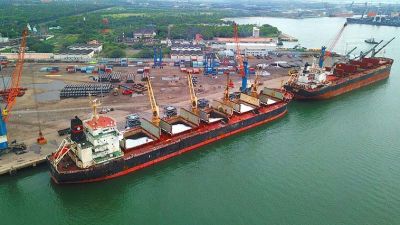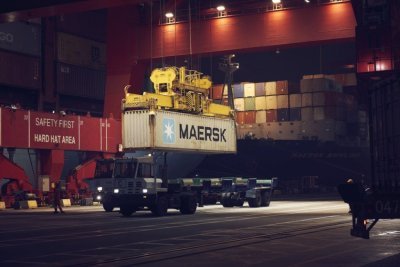
According to Maersk’s India trade update, the last quarter of the year showed growth in both imports and exports, thus making solid strides towards returning to normalcy. Demand for Indian exports across multiple categories continues to remain exceptionally strong, much of it driven by consumer demand in North America and Europe.
As societies began to find ways to coexist with COVID-19, trade started recovering in the second half. Exports ramped up sharply in Q3, not only recovering from Q2 slump, but even increased by 14% year on year, however the economic impact on consumers led to substantially lower imports, which dropped by 28% as compared to the same period of 2019.
Steve Felder, Managing Director, Maersk South Asia said, “Despite unprecedented challenging conditions, stakeholders across supply chains - from manufacturers to consumers, from Government bodies to logistics enablers - all stood up cautiously to fight the pandemic. Without the contribution from all the moving parts in the complex machinery of global trade, the path back to normalcy would not have been possible.”
Overview of trade for Q4 and full year 2020
During Q4 of 2020 (October to December), Indian containerised trade grew 13.2% as compared to the same period in 2019. This was the first time in the year when both exports and imports grew in a quarter. Exports from India had shown a V-shaped recovery since mid-Q3, whilst imports had remained subdued for a long time owing to low demand in the market. In Q4, this trend changed notably, with exports stabilising at a high level and imports bouncing back significantly by 36.3% over the previous quarter, thus moving the needle for overall trade recovery.
During the year, exports contracted in the first half and increased in the second half, consequently posting a full-year marginal growth of under 1% as compared to 2019. Imports delivered a full-year 14% contraction as compared to 2019.
Commodity trends in export and import
Exports grew through the year, riding on the rising demand for Indian textiles and apparels, especially in the North American markets. Seeds, beans, cereal & flour exports to the African and Gulf countries also contributed to the recovery. Rounding off the top three commodities being exported in containerised trade was metal, which has considerable demand in Far East Asia and Oceania regions. Amongst the refrigerated cargo, pharmaceuticals export out of India rose steeply during 2020, with Q4 alone recording 47% higher volumes as compared to the same period in 2019. Meat and shellfish exports also rose during the last quarter of 2020.
Imports of paper, metal, appliances and kitchenware topped the list of commodities that were brought into India in 2020. While paper and metal imports mainly came in from North America and North Europe, appliances and kitchenware were mostly imported from the Far East. The imports of refrigerated cargo grew in the last quarter of 2020 with fruit and nuts, chemicals and vegetables imports topping the list of commodities.
India’s trade partners
USA and China continued to be India’s top export and import trade partners respectively in 2020. While both these trade partners maintained their top positions, the trade with both dropped considerably. Over the year, the exports to USA contracted by 16% while imports from China shrunk by 41%.
Building growth in 2021
The COVID-19 pandemic created unprecedented disruptions in the market. Manufacturers lost production days in the first half of the year impacting supply, while consumers spent cautiously, impacting demand in the market. As the pandemic started getting under control and it became apparent that there was a path to vaccines, retail behaviours started returning to normalcy. However, the impact of the trade disruption caused earlier will have long lasting effects.
The imbalance in exports and imports, where exports recovered much quicker than imports resulted in an acute container shortage in various pockets of the Indian hinterland. Container manufacturing also reduced due to COVID-related shutdowns, and the pent-up consumer demand in North America and Europe ultimately resulted in a worldwide container shortage.
Commenting on the current situation and outlook, Steve Felder said, “The challenges that we face today and the extraordinary situation we are in is not going to last forever. This is a temporary phase that will pass, and we are already on our way towards normalcy. We can see overall trade improving and economies getting back on track. The vaccination drive is picking up pace worldwide, and this is going to be the single most important aspect to bring trade – and life - back to normal.”
He added, “We have also seen accelerated transformation in the last year – developments that would have otherwise taken several years took just a few months. Continued efforts to increase digitalisation, improve ease of doing business, create favourable conditions for global trade and dedicated investments in improving infrastructure will propel India’s import and export growth in the medium- to long-term.”
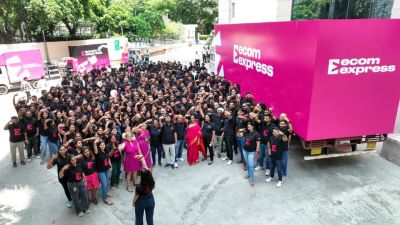
Ecom Express Limited, India’s sole pure-play B2C e-commerce logistics provider as of the Financial Year 2024, has introduced a new brand identity, underscoring its commitment to customer-centricity. This rebranding reflects a focus on addressing specific customer needs, prioritising customer-facing metrics, and integrating innovative technology across its nationwide express logistics network. The goal is to enhance speed, agility, and network reach, ensuring a customer-focused approach. The rebranding includes a dynamic logo and a refreshed visual identity, symbolising Ecom Express’s pursuit of excellence. The new logo features a forward-moving arrow within a square, representing the company’s dedication to delivery. The letter "E" in the logo stands for Expression, Innovation, and Progress, while the bold magenta colour signifies bravery, self-expression, and strength. This vibrant magenta reintroduction reflects Ecom Express's renewed commitment to customers, partners, and team members, as the company aims to simplify and democratise logistics for all. Ajay Chitkara, CEO and MD of Ecom Express, elaborated on the transformation, stating, “Our refreshed brand identity reaffirms our customer-first approach as we continue to integrate technology and innovation to provide reliable, high-speed services with the widest network reach. This transformation also underscores our commitment to our employees and delivery partners, who are essential to our business.” The new logo embodies Ecom Express’s dedication to its core values, focusing on customer welfare and fostering a diverse, inclusive environment. This rebranding signifies a promise to redefine logistics through advanced technology, making life easier for all types of customers.
The Federation of Freight Forwarders’ Associations in India (FFFAI) held its 6th EC Meeting for the term 2021-23 on May 27 and 28 in Bengaluru. The meeting was attended by the Office Bearers and 28 Member Association representative of FFFAI from across the country, there were many issues discussed and updates provided concerning customs, CBLR, EDI, Service Tax/GST, logistics, air cargo, sea cargo, skill development,importance of social media which FFFAI has expanded recently, technology developments, etc. The special focus of the 6th EC meeting was the updates on forthcoming 24th Biennial Convention of FFFAI to be held from August 12 to 14, 2022 in Chennai with the theme LOGISTICS RESHAPE, EMBRACE AND SURGE IN THE DIGITAL ERA. At this EC meeting, FFFAI also implemented Digital Learning platform for members and next generation for e-learning. It has been decided that FFFAI would initiate FIATA eFBL here in India to benefit the trade, which empowers customs brokers, freight forwarders and logistics service providers. In addition, updates on the recently held FIATA HQ Meet was also provided by the concerned members of FFFAI. FFFAI members present at this EC meeting stressed upon enhancing productivity on ICEGATE for trade facilitation and Ease of Doing Business. The FFFAI members also urged for creating a dedicated portal for LSP integration. As regard to skill development initiatives, IIFF’s (training arm of FFFAI) past and forthcoming training programmes (both online and classroom/physical) for the entire logistics industry were presented at the EC meeting. In addition, FFFAI’s various initiatives on capacity building through technology/IT also discussed withadequate importance. Recent activities of FFFAI Women’s Wing including organising interactive meetings with Government of India officials and industry experts were highlighted at this meeting which drew huge appreciation from the members. The members committed to expand the activities of the Women’s Wing in all the 28 member association locations to empower/encourage the women logistics practitioners. At this EC meeting FFFAI has signed an MoU with the National Institute of Industrial Engineering (NITIE) with an objective of skilling the aspiring candidates looking for opportunities in the logistics sector. Notably, a special session was organised at this 6th EC Meeting where N Sivasailam, former Special Secretary (Logistics), Ministry of Commerce, Government of India was present to address the FFFAI members and highlight the recent initiatives of the government in strengthening the logistics infrastructure, thereby leading in increase of international trade through multimodal connectivity and faster cargo clearance. He projected the ambitious growth potential of the logistics industry in India with a strong collaboration between government and industry people. Also speaking on the occasion was Bani Bhattacharya, IRS, who interacted with members of FFFAI on various initiatives of CBIC for the trade facilitation without human intervention. FFFAI Chairman Shankar Shinde thanked all the 28 associations for their support and appreciated the contribution of CBIC/DG systems trade facilitation measures. FFFAI Member Associations are: 1. Ahmedabad Custom Brokers' Association2. Aurangabad Customs House Agents Association3. Association of Custom House Agents Thiruvanthapuram4. Bangalore Custom House Agents Association5. Brihnamumbai Custom Brokers Association6. Calcutta Customs House Agents Association7. Chennai Customs House Agents Association8. Cochin Customs Brokers' Association9. Coimbatore Customs House and Steamer Agents Association10. Custom Brokers Association Hyderabad11. Delhi Customs Brokers Association12. Goa Custom Brokers Association13.Indore Customs House Agents Association14. The Kakinada Customs Brokers Association15. Kandla Custom Brokers Association16. Kanpur Customs Brokers Association17. Ludhiana Customs House Agents Association18. Mangalore Customs House Agents Association19. Mundra Customs Brokers Association20. Nagpur Customs House Agents Association21. Nashik Customs House Agents Association22. Nadia Custom Brokers Association23. Pipavav Custom Brokers Association24. Pune Customs House Agents Association25. Rajasthan Customs House Agents Association26.Tuticorin Custom Brokers Association27.Visakhapatnam Cusotms Brokers' Association28.West Bengal Custom House Agents Society FFFAI welcomes Women in Logistics/Youth in Logistics to participate on FFFAI forums and also invites membership application form logistics service providers in industry as this is a big national and international forum to network.
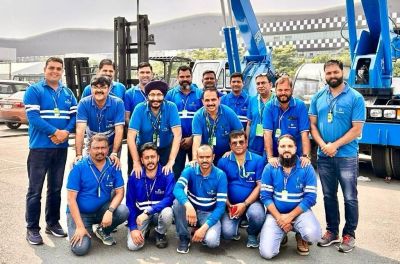
Building a visionary company requires one percent vision and 99 percent alignment. This analogy resonates deeply when we compare the process of building a company to conducting a symphony orchestra. Just as a conductor leads musicians to create a harmonious masterpiece, a successful business and its management fosters alignment among team members to achieve extraordinary success. In the business world, this vision translates into a clear understanding of where the company wants to go and what it aspires to achieve. The one percent of vision acts as the guiding force that sets the stage for greatness. However, a conductor alone cannot create a symphony. The true magic lies in the collective effort of the musicians, each playing their part to perfection. Similarly, in a visionary company, alignment becomes paramount. Every team member needs to be facing in the right direction, equipped with the right skills, and focused on delivering the right results at the right time. By fostering alignment, harnessing the diverse talents within the team, and continuously fine-tuning performance, savvy teams and visionary leaders carry the potential to transform their companies into harmonious and successful organisations that resonate with greatness. Embracing the power of alignment, inspiring teams with a clear vision, and actively cultivating an environment where every member can contribute their unique talents, RE Rogers India has over the years formed an indispensable pillar of business triumph. Most recently, the company orchestrated a symphony of success handling over 300 events in the fiscal year 2023. Four of these were mammoth events taking place in four different cities at around the same time frame. And these were not merely gatherings, they were milestones. The four gigantic events (CPHI and PMEC 2023 – 28 to 30 November at India Expo Centre, Noida; ENGIMACH 2023 – 6 to 10 December at Helipad Exhibition Centre, Gandhinagar, Gujarat; EXCON 2023 – 12 to 16 December at Bangalore International Exhibition Centre, Bengaluru; PLASTIVISION 2023 – 7 to 11 December at Bombay Exhibition Centre, Mumbai) entailed approximately 650 on-ground manpower, 4300 packages, 370 equipment display, and 3600 vehicles. The symphony of greatness bubbled up in RE Rogers India's operational procedures and functions, and the teams and management leadership soared to create a masterpiece of lasting success as always. "To our heroes who faced the challenges head-on in handling their jobs with total finesse, and to our valuable customers who trusted us blindly during our busiest period pan-India: A HUGE THANK YOU!," the RE Rogers India team was quoted expressing in a LinkedIn post. As the demand for large-scale events and exhibitions continues to rise, the need for comprehensive and reliable exhibition logistics services has never been more critical. In India, where the exhibition industry thrives, one name stands out among the rest — RE Rogers India — who have been delivering unparalleled logistical solutions tailored to the unique demands of the exhibition sector. RE Rogers India have years of first-hand, specialist experience in handling every aspect of exhibitions, ranging from freight forwarding, transportation, customs formalities, secure handling of materials, on-time delivery and site assistance and supervision. Remember that logistics is not just about getting your materials from point A to point B; it’s about ensuring a seamless and stress-free experience for everyone involved in your exhibition, from exhibitors to attendees. So, if you partner with RE Rogers India, you’re not just hiring a logistics company; you’re bringing a dedicated and reliable team on board to ensure your exhibition materials reach their destination in perfect condition and on time. Having served a variety of clients from both the domestic and international arena, the company has developed deep understanding of the unique challenges of delivering time-critical goods in the face of huge crowds, open day pressure, and complex logistical requirements. RE Rogers India fully understands the value of complete exhibition sets in terms of the clients’ reputation and market standing, ranging from trade show booths, exhibits, and other equipment, which include wooden panels, steel frames, prefabricated designs, bunk houses, E-houses, printed material, lights, electronic items and other display resources. The company therefore takes utmost care to pay close attention to critical things like packing, loading, storing, lifting, etc. so as to eliminate any chance of damage. Due diligence is also exercised in choosing optimum and fastest mode of transport to enable the materials to reach the venue well in time, so as to facilitate timely set-up by the clients team at the venue. Post-exhibition, pick-up and delivery back to the shipper is also handled. With RE Rogers India as your esteemed logistics partner, you can focus on wowing your audience and making the most of your exhibition experience. Under the astute leadership of Ravinder Sethi, RE Rogers India is not just reaching new heights; it is setting successive benchmarks. With the innate ability to see through the intricacies and a commitment to perfection down to the minutest detail, Sethi has steered the company towards a trajectory of unparalleled success. His visionary approach complemented by the team's meticulous attention to excellence have become the driving force behind RE Rogers' ascent in the events and exhibition logistics sector. The collective efforts of Sethi and his entire team continue to sculpt a legacy of precision and excellence in the world of logistics that remains exciting, challenging and rewarding.
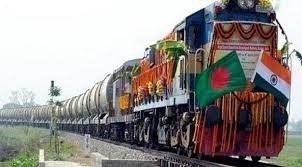
A significant milestone has been achieved in the Indo-Bangla railway project with the inauguration of the inaugural freight train connecting Bangladesh's Gangasagar to Tripura's Nischintanpur. This momentous event marks a significant step forward in strengthening the rail connectivity between the two neighboring countries. The new railway connection is set to enhance trade and commerce between India and Bangladesh, providing a more efficient and cost-effective mode of transportation for goods. It will not only boost bilateral trade but also promote economic development in the region by opening up new opportunities for businesses and industries. The Indo-Bangla railway project is part of a broader effort to improve connectivity and foster closer ties between the two nations. It is expected to play a vital role in facilitating the movement of goods and passengers, ultimately contributing to the economic growth and prosperity of both countries.
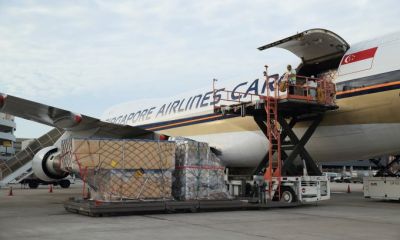
Singapore’s Changi Airport is sharpening its focus on pharmaceuticals and e-commerce shipments to navigate constrained cargo capacity until planned expansion in the 2030s. According to Lim Ching Kiat, Executive Vice President of Air Hub and Cargo Development at Changi Airport Group, current facilities face mounting pressure due to growing regional demand, necessitating strategic tenant and cargo type management. E-commerce continues to be a key growth driver for air cargo globally, fueled by major players like Shein, Temu, and TikTok Shop. At the same time, Singapore is solidifying its position as Southeast Asia’s preferred pharmaceutical hub, attracting investments from global biopharma giants such as Thermo Fisher, Sanofi, BioNTech, and MSD. Looking ahead, Changi Airport plans to launch a second logistics park by the 2030s, aiming to increase its annual cargo capacity from 3 million tons to 5.4 million tons. The new free trade zone will further expedite cargo handling and redistribution. In 2024, Changi Airport reported handling 1.99 million tons of airfreight, a 14.6% rise from 2023, driven by robust cross-border e-commerce demand, improved trade routes with China and the U.S., and recovering electronics exports. Top air cargo markets included China, Australia, the U.S., Hong Kong, and India.


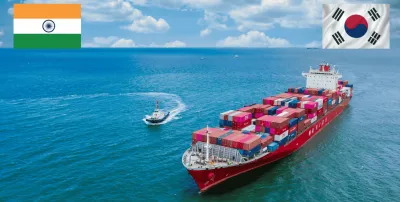
The Indian government’s ambitious push to boost the domestic shipbuilding industry, announced in the Union Budget, is already drawing international interest, with South Korea stepping forward to collaborate on key initiatives. The Korea Marine Equipment Association (KOMEA), a Seoul-based non-profit under South Korea’s Ministry of Industry, Trade and Energy, has offered its support to Indian shipyards for joint vessel design and construction, modernisation of shipyard production facilities, and technology transfer to enhance manufacturing processes, according to multiple sources. KOMEA, which represents major Korean shipbuilding and ship repair enterprises—including HD Hyundai Heavy Industries, Hanwa Ocean (formerly Daewoo Shipbuilding and Marine Engineering), and Samsung Heavy Industries—has formally pledged to provide highly qualified specialists for on-site education and training. The association also aims to develop joint educational programs, supply industrial equipment for modernising Indian shipyards, facilitate technology transfer, and support the localisation of marine equipment and spare parts. Founded in 1980, KOMEA has been instrumental in promoting South Korean marine equipment manufacturers globally and currently has a membership base of 304 entities involved in shipbuilding, design, and repair. The association operates in eight countries, including China, Japan, Singapore, the United States, Greece, Saudi Arabia, Brazil, and Russia. With plans to expand its footprint in India, KOMEA sees the country as a strategic partner in advancing shipbuilding capabilities under a bilateral cooperation framework. “Building strong cooperative relationships between South Korean entities and Indian shipyards could significantly contribute to the growth of the shipbuilding industry in both nations,” a KOMEA official stated. “With over four decades of experience, KOMEA and its members can provide effective solutions to challenges in the shipbuilding sector within a short timeframe.” The Union Budget, presented by Finance Minister Nirmala Sitharaman, earmarked ₹25,000 crore for the Maritime Development Fund (MDF) and introduced a revamped shipbuilding financial assistance policy to counter cost disadvantages. Additional measures include credit incentives for shipbreaking at Indian yards to promote a circular economy and granting infrastructure status to large ships above a specified size. The government also announced plans to develop shipbuilding clusters with enhanced infrastructure, skilling initiatives, and technological advancements to strengthen the industry’s ecosystem. A significant boost for shipbuilders came with the extension of the exemption from Basic Customs Duty (BCD) on raw materials, components, consumables, and parts used in ship manufacturing. This exemption, originally set to expire, will now be extended for another ten years from April 1, 2025. Ahead of the budget announcement, high-level delegations from the Ministry of Ports, Shipping, and Waterways, along with representatives from the private shipbuilding sector, visited leading shipyards in South Korea and Japan. These visits were aimed at forging partnerships and leveraging global expertise to strengthen India’s shipbuilding industry. With South Korea now expressing formal interest in collaboration, the stage is set for India to accelerate its shipbuilding ambitions and emerge as a formidable player in the global maritime sector. Source: ET Infra
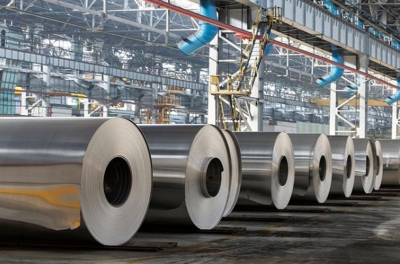
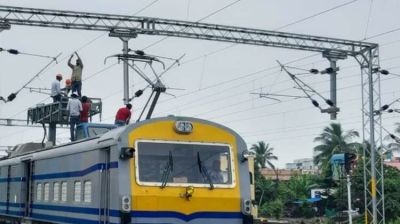
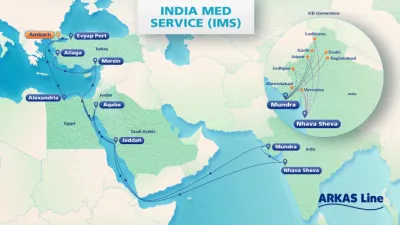
Arkas Line is expanding its international service network as part of its 2025 growth strategy. Building on its recent Red Sea expansion, the company is launching the "India Med Service (IMS)," its first direct route connecting India to the Mediterranean. From February 10, 2025, the IMS will send four vessels with a capacity of 2,500-2,800 TEU. By June 2025, the service will run weekly with five vessels. The route will cover major ports, such as Ambarli, Nhava Sheva, Mundra, and Alexandria. Customers will also benefit from rail connectivity at India's Mundra and Nhava Sheva ports to transport cargo to inland trade centers. Furthermore, Arkas Line is restructuring its Mediterranean operations by integrating its current GPS, EMS, and SEM routes into a streamlined "Blue Med Service (BMS)." This integrated service will improve efficiency in its Mediterranean network while increasing the company's coverage to 72 ports in 27 countries through 33 service routes. About its commitment to further global growth, Arkas Line CEO Can Atalay said, "With the launch of IMS and the strengthened BMS, we are firmly committed to offering efficient solutions that cater to evolving customer needs and consolidate our presence in key markets.

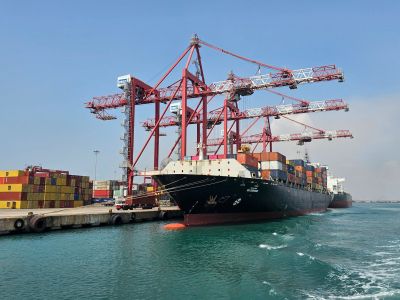
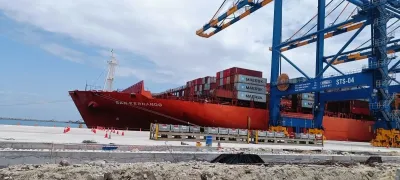
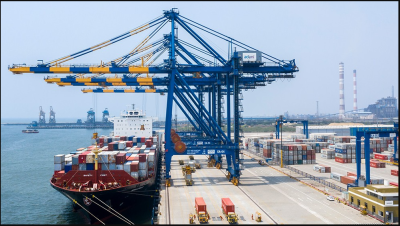
The Vizhinjam International Port was formally inaugurated after a successful five-month trial period with great fanfare and celebration last week for full-fledged commercial operation. This port's first phase has been completed due to effective team effort among Vizhinjam International Seaport Ltd, Adani Vizhinjam Port Private Ltd, and agencies like IIT Madras. All agreed procedures have been finalised and the work may begin operations. "Wednesday, an independent engineer is going to issue a provisional completion certificate for the first phase of construction after examining it," said the Minister. The remaining minor work could be done in three months without hindering the continued operations. The formal commissioning was carried out as per the supplementary concession agreement signed recently between the state government and Adani Ports. In its trial run, the port performed remarkably well by successfully handling 70 cargo ships, including ultra-large mother ships, and handling a total of 147,000 containers. By averaging one vessel every alternate day, the port confirmed its readiness to emerge as a major player in the handling of export-import (exim) containers. Vasavan underscored that "the port's operations will transform Kerala's international trade and drive substantive economic growth for the state."