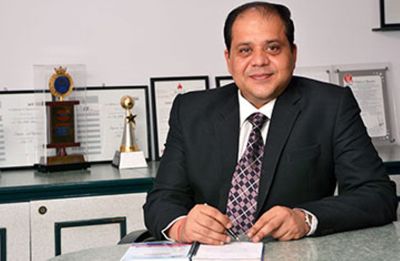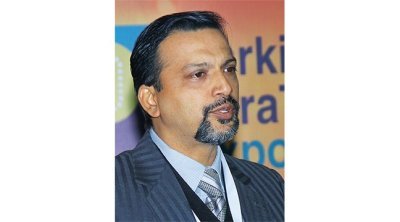
Headquartered in Japan, NEC started operations in India in the 1950s and ever since been a key partner in India’s technology growth story. While continuing to accelerate its growth through innovative new services and solutions, NEC in India expanded its business from telecommunications to public safety, logistics, transportation, retail, finance, unified communication and IT platforms, serving state institutions, businesses, as well as individuals over the years. NEC has its head office in Noida and regional offices in New Delhi, Ahmedabad, Bengaluru, Chennai, Mumbai, and Gujarat. With its multiple Centres of Excellence (COEs) for analytics platform solutions, Big Data, biometrics, mobile and retail, NEC India is currently focussed on further building its product portfolio alongside contactless technology, as the scope and demand are high in various sectors, besides the need for brand-building tools in the era of ‘New Normal’. Debasish Debsikdar, AVP and SBU Head– Transportation & Logistics Division, NEC Corporation India says the company’s strong commitment to the country and India’s growing importance to the NEC Group’s global business echoes in their ‘India Go Big’ initiative that leverages solution development and delivery capability from India to aid multinational business growth. In fact, the company’s successes over time are a testament to the value their solutions deliver, empowering technology-based innovation that continues to serve customers in the truest sense of the word. Edited excerpts from his interaction with Upamanyu Borah.
How did you navigate the twist and turns of the current environment? What are the main trends you found across the sector considering your field of business and related opportunities in the market?
Under the brand's purpose of ‘orchestrating a brighter world’, we are committed to using digital technology to help solve problems in the real world, embracing critical values like safety, security, efficiency, and quality. Last year, we saw the world adopting what NEC has been practicing as DNA and as a way of life for over 121 years now, i.e. leading ahead with an innovation-first mindset to realise a sustainable digital society that empowers everyone. Furthermore, the latest rebranding to NEC Corporation India (NEC) and leadership restructuring represents our team’s synchronised energies in the ‘New Normal’.
We expect to see the following trends in the coming years.
Are you being opportunistic in picking up pace in this line of business considering that there has been a boom of digital solutions in India's logistics industry? Other than simple growth, where are your investments currently directed towards?
The proposed logistics policy by the Government of India aims to eliminate inefficiencies and reduce costs by removing bottlenecks in the logistics value chain. The integration of computing devices enables interoperability by linking people, data, processes, and reducing human errors, which will be a game-changer for the industry. In my opinion, a skilled workforce will play an essential role in implementing digitisation, which involves cloud computing, automation, AI, IoT, Big Data, and Blockchain technology, etc.
From an investment perspective, the emphasis and focus Japan has on India is massive. NEC Corporation India has good support from the global team, and is looking for opportunities to grow. Our India team actively works with NEC's team in Japan to leverage the knowledge and best practices across geographies.
We are currently in the process of creating global Centres of Excellence (COEs) in India across multiple domains. Additionally, NEC's ‘India Go Big’ initiative aptly defines the unique scale of growth that India offers.
Could you elaborate on the weak links/challenges present in the ecosystem and how the National Logistics Policy may prove immensely beneficial?
The logistics sector in India has remained fragmented and unregulated, despite its centrality to economic growth. Compared to developed countries, some existing challenges that the Indian logistics sector faces include less transparency, disconnected transport networks, higher lead times, and lack of centralised monitoring system to enable real-time decision-making.
The National Logistics Policy aims to ensure the seamless movement of goods across the country with the integration of emerging technology. Additionally, it will lead the industry to better employ human-machine partnerships to facilitate improved operational efficiency and structured development of the logistics sector. Furthermore, it will truly accelerate the mission of Make in India.
How have you seen the needs of your clients develop and evolve over the last few years? How has it changed your attitude to innovations in the field and the future role of NEC in sustaining the same?
There is no denying that the industry's perception of digital adoption has amplified with no compromises on an excellent quality product. Today, C-Suite business leaders acknowledge the value of a well-orchestrated logistics system—using emerging technology solutions and a seamless supply chain mechanism.
At NEC, we aim to provide the best possible solutions that resolve current issues and work towards bringing a brighter future for all.
Our customers realise the premium technology and scalability of our solutions and the impact they bring on the overall industry ecosystem (including life of end-users). We introduce our clients to breakthrough technology that delivers incredible business outcomes, and they have all the reasons to embrace it.
NEC Corporation India has always been at the forefront of the country’s digital transformation and we will continue to partner with the government for various projects.
Supply chain and logistics is seeing the next wave of transformation, with automation and AI changing the way business is conducted, propelling development and leading to the uniqueness of each solution. What is the most significant impact of this on NEC? What are your best-in-class products and specialised platforms?
We own a wide array of AI technologies that can be adapted to various sites to gain the necessary insights. Our AI technologies include system invariant analysis technology that monitors unfavourable conditions and detects any deviations or anomalies.
We are proud that NEC is one of the first few companies to venture into the pan-region track and trace logistics. NEC currently provides technology for providing visibility of 100% of India's EXIM container volume and further publishes monthly data analytics that provide business critical insights.
Here are some other solutions by NEC through which we continue to make the logistics industry more efficient.
Basically, how are you customising and designing logistics solutions for the logistics sector, assisting clients and their supply chains to evolve alongside the level of dynamism of integrated digital logistics?
NEC India strives to meet the latest market demands with optimal solutions for functional enhancement that support customers and market sustainability. By integrating biometrics with AI and networking technology, NEC plays a leading role in realising the potential of digital transformation in the logistics sector based on the client's requirement. Our cutting-edge, customised solutions with an inbuilt capability of emerging tech solutions, and image recognition ensure end-to-end control, delivery effectiveness, and transparent operations.
For instance, LDB uses IoT (RFID technology), Big Data, and cloud-based solutions that integrate the information available with various agencies across the supply chain to provide detailed near real-time visibility of EXIM container movement through a single window.
Sometimes having the tools and the information is not enough. A quality analytics strategy that is able to describe accurately, predict and prescript is needed. How efficiently can a company make use of analytics to respond quickly and ensure business stability post-COVID-19 recovery?
Businesses across the supply chain are expected to adjust to shipment patterns, predict customer’s buying behaviours, provide on-time deliveries through the most efficient routes possible, and reduce the risks of cargo inventory errors and miscalculations. Predictive analytics involving intelligent use of data will have the most significant impact in streamlining supply chain challenges in the coming years.
Predictive models help guide decision-makers, anticipate specific future events, and prove beneficial at different levels—from a single warehouse to an entire supply chain.
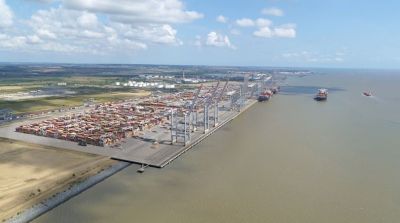
NEC India has implemented Integrated Video Analytics (IVA) and Integrated Command and Control Center (ICCC) at various port terminals handling containerised cargo. These solutions are deployed for proactive incident prevention and safety, ease the monitoring of the entire selected area for surveillance purposes, and alert staff in case of any emergency trigger, thereby streamlining the overall process and adherence to compliances.
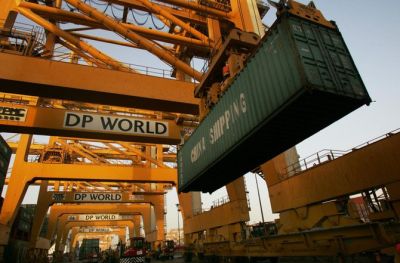
For instance, we supported DP World to transform its India port terminals into smart terminals with the help of adequate mobility and predictive analytics solutions. Our smart monitoring, detection and alert system is built upon NEC'S high-tech intelligent video analytics platform. It helps DP World ensure compliance and handle safety and security concerns at its port terminals, yards and gates in real-time.
Could you tell us what we could expect from the company in the near future and how are you looking to enhance service levels in the high-tech logistics market?
NEC India is aggressively working on creating solutions and ensuring value through NEC’s global COEs. Our teams are leveraging industry knowledge to fulfil the country’s logistics sector requirements. We launched container tracking services at Pipavav Port, Gujarat in November last year.
Overall, we are aiming at the ‘India Go Big’ initiative by leveraging our solution development and delivery capability from India to aid global business growth and serve as a worldwide delivery hub for offshore support and product development. Hence, we plan to expand the portfolio and the depth of solutions and services offered in the Indian market and abroad.
Furthermore, we are strengthening the R&D lab in Bangalore—the 7th in the world—with more investments in newer areas.
So, what is the position of Indian logistics in the Asian Century? How do you see the growth curve shaping?
India's logistics sector is making an effort to be more inclusive of a digitally and technologically advanced system to address the higher transaction costs as well as adopt the global best practices.
The logistics sector is the backbone of India's continued rapid economic growth. It is one of the most critical accelerators of trade, which is also vital for fulfiling the objective of Atmanirbhar Bharat. Therefore, private players must work together with the government to strengthen domestic integration, synchronisation, and industry coordination. 2021 is a tipping point in India's growth and revival from the COVID-19 hit economy.
Going forward, how will emerging trends, structural changes, and new business models redefine your business and company as a whole?
NEC India’s growth strategy is centered on three pillars:
In this context, we are focussed on making huge investments in R&D to power global innovation as part of our strategy— In India, For India and From India, For Global. NEC India’s key value proposition will be to add to the sense of reliability that Japanese brands evoke with their unfailing technological solutions and quality assurance, whether it is in hardware or in software. As such, NEC's vision powers the ability to create an ambience for creating more productive solutions in India by leveraging the Japanese technical know-how.
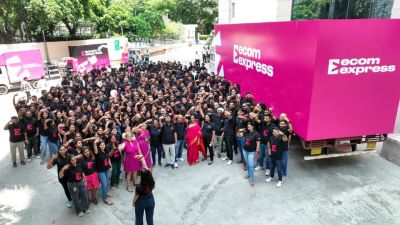
Ecom Express Limited, India’s sole pure-play B2C e-commerce logistics provider as of the Financial Year 2024, has introduced a new brand identity, underscoring its commitment to customer-centricity. This rebranding reflects a focus on addressing specific customer needs, prioritising customer-facing metrics, and integrating innovative technology across its nationwide express logistics network. The goal is to enhance speed, agility, and network reach, ensuring a customer-focused approach. The rebranding includes a dynamic logo and a refreshed visual identity, symbolising Ecom Express’s pursuit of excellence. The new logo features a forward-moving arrow within a square, representing the company’s dedication to delivery. The letter "E" in the logo stands for Expression, Innovation, and Progress, while the bold magenta colour signifies bravery, self-expression, and strength. This vibrant magenta reintroduction reflects Ecom Express's renewed commitment to customers, partners, and team members, as the company aims to simplify and democratise logistics for all. Ajay Chitkara, CEO and MD of Ecom Express, elaborated on the transformation, stating, “Our refreshed brand identity reaffirms our customer-first approach as we continue to integrate technology and innovation to provide reliable, high-speed services with the widest network reach. This transformation also underscores our commitment to our employees and delivery partners, who are essential to our business.” The new logo embodies Ecom Express’s dedication to its core values, focusing on customer welfare and fostering a diverse, inclusive environment. This rebranding signifies a promise to redefine logistics through advanced technology, making life easier for all types of customers.
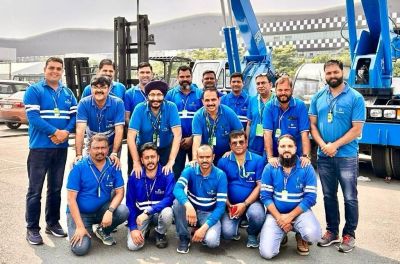
Building a visionary company requires one percent vision and 99 percent alignment. This analogy resonates deeply when we compare the process of building a company to conducting a symphony orchestra. Just as a conductor leads musicians to create a harmonious masterpiece, a successful business and its management fosters alignment among team members to achieve extraordinary success. In the business world, this vision translates into a clear understanding of where the company wants to go and what it aspires to achieve. The one percent of vision acts as the guiding force that sets the stage for greatness. However, a conductor alone cannot create a symphony. The true magic lies in the collective effort of the musicians, each playing their part to perfection. Similarly, in a visionary company, alignment becomes paramount. Every team member needs to be facing in the right direction, equipped with the right skills, and focused on delivering the right results at the right time. By fostering alignment, harnessing the diverse talents within the team, and continuously fine-tuning performance, savvy teams and visionary leaders carry the potential to transform their companies into harmonious and successful organisations that resonate with greatness. Embracing the power of alignment, inspiring teams with a clear vision, and actively cultivating an environment where every member can contribute their unique talents, RE Rogers India has over the years formed an indispensable pillar of business triumph. Most recently, the company orchestrated a symphony of success handling over 300 events in the fiscal year 2023. Four of these were mammoth events taking place in four different cities at around the same time frame. And these were not merely gatherings, they were milestones. The four gigantic events (CPHI and PMEC 2023 – 28 to 30 November at India Expo Centre, Noida; ENGIMACH 2023 – 6 to 10 December at Helipad Exhibition Centre, Gandhinagar, Gujarat; EXCON 2023 – 12 to 16 December at Bangalore International Exhibition Centre, Bengaluru; PLASTIVISION 2023 – 7 to 11 December at Bombay Exhibition Centre, Mumbai) entailed approximately 650 on-ground manpower, 4300 packages, 370 equipment display, and 3600 vehicles. The symphony of greatness bubbled up in RE Rogers India's operational procedures and functions, and the teams and management leadership soared to create a masterpiece of lasting success as always. "To our heroes who faced the challenges head-on in handling their jobs with total finesse, and to our valuable customers who trusted us blindly during our busiest period pan-India: A HUGE THANK YOU!," the RE Rogers India team was quoted expressing in a LinkedIn post. As the demand for large-scale events and exhibitions continues to rise, the need for comprehensive and reliable exhibition logistics services has never been more critical. In India, where the exhibition industry thrives, one name stands out among the rest — RE Rogers India — who have been delivering unparalleled logistical solutions tailored to the unique demands of the exhibition sector. RE Rogers India have years of first-hand, specialist experience in handling every aspect of exhibitions, ranging from freight forwarding, transportation, customs formalities, secure handling of materials, on-time delivery and site assistance and supervision. Remember that logistics is not just about getting your materials from point A to point B; it’s about ensuring a seamless and stress-free experience for everyone involved in your exhibition, from exhibitors to attendees. So, if you partner with RE Rogers India, you’re not just hiring a logistics company; you’re bringing a dedicated and reliable team on board to ensure your exhibition materials reach their destination in perfect condition and on time. Having served a variety of clients from both the domestic and international arena, the company has developed deep understanding of the unique challenges of delivering time-critical goods in the face of huge crowds, open day pressure, and complex logistical requirements. RE Rogers India fully understands the value of complete exhibition sets in terms of the clients’ reputation and market standing, ranging from trade show booths, exhibits, and other equipment, which include wooden panels, steel frames, prefabricated designs, bunk houses, E-houses, printed material, lights, electronic items and other display resources. The company therefore takes utmost care to pay close attention to critical things like packing, loading, storing, lifting, etc. so as to eliminate any chance of damage. Due diligence is also exercised in choosing optimum and fastest mode of transport to enable the materials to reach the venue well in time, so as to facilitate timely set-up by the clients team at the venue. Post-exhibition, pick-up and delivery back to the shipper is also handled. With RE Rogers India as your esteemed logistics partner, you can focus on wowing your audience and making the most of your exhibition experience. Under the astute leadership of Ravinder Sethi, RE Rogers India is not just reaching new heights; it is setting successive benchmarks. With the innate ability to see through the intricacies and a commitment to perfection down to the minutest detail, Sethi has steered the company towards a trajectory of unparalleled success. His visionary approach complemented by the team's meticulous attention to excellence have become the driving force behind RE Rogers' ascent in the events and exhibition logistics sector. The collective efforts of Sethi and his entire team continue to sculpt a legacy of precision and excellence in the world of logistics that remains exciting, challenging and rewarding.
The Federation of Freight Forwarders’ Associations in India (FFFAI) held its 6th EC Meeting for the term 2021-23 on May 27 and 28 in Bengaluru. The meeting was attended by the Office Bearers and 28 Member Association representative of FFFAI from across the country, there were many issues discussed and updates provided concerning customs, CBLR, EDI, Service Tax/GST, logistics, air cargo, sea cargo, skill development,importance of social media which FFFAI has expanded recently, technology developments, etc. The special focus of the 6th EC meeting was the updates on forthcoming 24th Biennial Convention of FFFAI to be held from August 12 to 14, 2022 in Chennai with the theme LOGISTICS RESHAPE, EMBRACE AND SURGE IN THE DIGITAL ERA. At this EC meeting, FFFAI also implemented Digital Learning platform for members and next generation for e-learning. It has been decided that FFFAI would initiate FIATA eFBL here in India to benefit the trade, which empowers customs brokers, freight forwarders and logistics service providers. In addition, updates on the recently held FIATA HQ Meet was also provided by the concerned members of FFFAI. FFFAI members present at this EC meeting stressed upon enhancing productivity on ICEGATE for trade facilitation and Ease of Doing Business. The FFFAI members also urged for creating a dedicated portal for LSP integration. As regard to skill development initiatives, IIFF’s (training arm of FFFAI) past and forthcoming training programmes (both online and classroom/physical) for the entire logistics industry were presented at the EC meeting. In addition, FFFAI’s various initiatives on capacity building through technology/IT also discussed withadequate importance. Recent activities of FFFAI Women’s Wing including organising interactive meetings with Government of India officials and industry experts were highlighted at this meeting which drew huge appreciation from the members. The members committed to expand the activities of the Women’s Wing in all the 28 member association locations to empower/encourage the women logistics practitioners. At this EC meeting FFFAI has signed an MoU with the National Institute of Industrial Engineering (NITIE) with an objective of skilling the aspiring candidates looking for opportunities in the logistics sector. Notably, a special session was organised at this 6th EC Meeting where N Sivasailam, former Special Secretary (Logistics), Ministry of Commerce, Government of India was present to address the FFFAI members and highlight the recent initiatives of the government in strengthening the logistics infrastructure, thereby leading in increase of international trade through multimodal connectivity and faster cargo clearance. He projected the ambitious growth potential of the logistics industry in India with a strong collaboration between government and industry people. Also speaking on the occasion was Bani Bhattacharya, IRS, who interacted with members of FFFAI on various initiatives of CBIC for the trade facilitation without human intervention. FFFAI Chairman Shankar Shinde thanked all the 28 associations for their support and appreciated the contribution of CBIC/DG systems trade facilitation measures. FFFAI Member Associations are: 1. Ahmedabad Custom Brokers' Association2. Aurangabad Customs House Agents Association3. Association of Custom House Agents Thiruvanthapuram4. Bangalore Custom House Agents Association5. Brihnamumbai Custom Brokers Association6. Calcutta Customs House Agents Association7. Chennai Customs House Agents Association8. Cochin Customs Brokers' Association9. Coimbatore Customs House and Steamer Agents Association10. Custom Brokers Association Hyderabad11. Delhi Customs Brokers Association12. Goa Custom Brokers Association13.Indore Customs House Agents Association14. The Kakinada Customs Brokers Association15. Kandla Custom Brokers Association16. Kanpur Customs Brokers Association17. Ludhiana Customs House Agents Association18. Mangalore Customs House Agents Association19. Mundra Customs Brokers Association20. Nagpur Customs House Agents Association21. Nashik Customs House Agents Association22. Nadia Custom Brokers Association23. Pipavav Custom Brokers Association24. Pune Customs House Agents Association25. Rajasthan Customs House Agents Association26.Tuticorin Custom Brokers Association27.Visakhapatnam Cusotms Brokers' Association28.West Bengal Custom House Agents Society FFFAI welcomes Women in Logistics/Youth in Logistics to participate on FFFAI forums and also invites membership application form logistics service providers in industry as this is a big national and international forum to network.
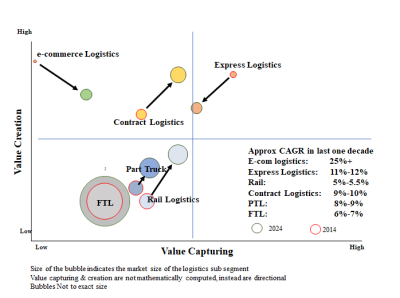
The past decade has been a transformative period for the Indian logistics sector, characterised by a blend of challenges and growth opportunities. Key milestones such as the formal recognition of logistics as infrastructure, the implementation of GST, and disruptions from COVID-19 have reshaped the industry landscape. During this time, technology adoption surged, sustainability became a focal point, and the sector prioritised agility and resilience. As a result, new business models emerged, and the sector registered a growth rate of 8%-9%. Throughout this period of growth, logistics companies have created significant value for their customers by offering innovative solutions, improving efficiency, and providing exceptional service experiences. However, the process of capturing and capitalising on this value is complex, requiring long-term investment and strategic focus. Companies typically follow one of two paths: competitive pricing or superior customer value. Yet, only a few have successfully extracted profits and solidified their competitive position, while others have faced decline. On a broader scale, while the logistics sector has made substantial progress in innovation, infrastructure, and technology, its financial returns and profitability have often fallen short of expectations. The challenge lies in the varied performance of subsegments such as express delivery, e-commerce logistics, and contract logistics. Each of these subsegments faces distinct challenges, influenced by factors such as market demand, regulatory policies, technological integration, and investment levels, leading to diverse outcomes across the sector. India's transportation sector is predominantly road-based, with nearly two-thirds of the market share. Among road logistics, Full Truck Load (FTL) remains highly fragmented, with a minimal presence of organised players. While the market has nearly doubled over the last decade, along with technology adoption in fleet and transport management, startups like Blackbuck have made attempts to drive the sector toward organisation, but no significant breakthroughs have emerged. As a result, FTL has struggled to create substantial value for customers, and profitability within the segment has remained stagnant. The second major segment in road logistics is Part Truck Load (PTL) services, where organised players have made gradual improvements. Companies like VRL and V-Trans India have established a national presence, supported by relevant infrastructure and technology. These organised players have delivered tangible value to customers, improving profitability alongside revenue growth through a cost-conscious approach. Rail logistics, on the other hand, has created significant value in specific subsegments, such as container train operators, private rail operators, and car carriers. While Indian Railways remains the primary infrastructure provider, private players like Adani, DP World, Gateway Distriparks, and Pristine have experienced profitable growth over the past decade. E-commerce logistics has been the most hyped segment in the last ten years. While e-commerce logistics started gaining traction in 2010, it exploded in 2014 with technological advancements and the emergence of new-age companies. This segment has grown into a US$6 billion market, creating immense value by reducing transit times, improving customer service, and offering tech-driven solutions. However, as these differentiators become industry standards, the rate of value creation has slowed. Despite significant investments to achieve profitability, most e-commerce companies are still either EBITDA-negative or marginally positive. While they have made strides in reducing losses, profitability remains below industry benchmarks. The express logistics segment, largely controlled by organised players, has also experienced incremental improvements in service offerings and customer service. Despite challenges such as declining document volumes, slow air cargo growth, and cost pressures, express logistics has achieved double-digit growth. However, the segment has failed to create significant new value, as many differentiators have now become standard offerings. This inability to create and capture value raises concerns for the future of express logistics. In contrast, the contract logistics segment has benefited from complex global supply chains and the post-GST momentum, providing significant opportunities for value creation through optimisation. Organised players, with their advanced solutions, technology, and automation, have been able to capture substantial value in this segment. Overall, while the logistics industry has created value across most of its segments, the ability to capture this value has been suboptimal. Factors such as technological advancements, sustainability trends, and evolving customer expectations will continue to influence value creation. However, value capture will hinge on effective pricing strategies, market positioning, and operational scalability. In the future, a balance between continuous innovation and profitability will be essential for long-term success in the logistics industry. Author: Vikash Khatri, Founder, Aviral Consulting
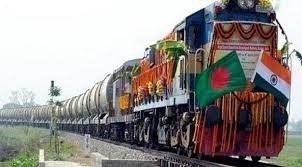
A significant milestone has been achieved in the Indo-Bangla railway project with the inauguration of the inaugural freight train connecting Bangladesh's Gangasagar to Tripura's Nischintanpur. This momentous event marks a significant step forward in strengthening the rail connectivity between the two neighboring countries. The new railway connection is set to enhance trade and commerce between India and Bangladesh, providing a more efficient and cost-effective mode of transportation for goods. It will not only boost bilateral trade but also promote economic development in the region by opening up new opportunities for businesses and industries. The Indo-Bangla railway project is part of a broader effort to improve connectivity and foster closer ties between the two nations. It is expected to play a vital role in facilitating the movement of goods and passengers, ultimately contributing to the economic growth and prosperity of both countries.



As we all know, supply chain management encompasses a multifaceted approach to streamline operations, optimise resources, and meet customer demands efficiently. Integrating the entire supply chain involves aligning and synchronising all components, processes, and stakeholders involved—from suppliers to end consumers. Most importantly, an integrated supply chain leverages technology and standardised processes to achieve seamless coordination, visibility, and data sharing across the entire value chain. As businesses navigate the complexities of today’s global marketplace, harnessing the power of an innovative supply chain through enabling technological advancements and process improvements is crucial for establishing resilient, responsive, and future-ready supply chain ecosystems. These aspects are brought together by three crucial elements: technology as the backbone of innovative supply chains, continuous improvement throughout the entire supply chain, and network structures driven by transparent communication and end-to-end visibility. Harish Singh, Head – Supply Chain, Burgerama talks about the amalgamation of these key elements that enable organisations like Burgerama to stay ahead in a rapidly evolving business landscape, fostering innovation and sustainable growth in the realm of supply chain management features. Excerpts by UPAMANYU BORAH from a recent interaction. Genesis and Operations Founded in 2018 by Kabir, Viraaj, and Vivek, Burgerama is a flavour-packed tale of the juiciest cheeseburgers in India. Starting strong in Sushant Lok in October 2018, not even a global pandemic could halt this culinary sensation. What sets Burgerama apart? It's the explosion of taste in every bite, achieved through meticulous ingredient selection and an unwavering commitment to authenticity. Beyond just a food joint, Burgerama is a narrative of enduring friendship and an unyielding quest to craft the perfect burger experience. Now operating 14 delivery outlets across Delhi NCR, Chandigarh, and Bangalore, Burgerama has come to be known for its passionate team, true-to-form flavours and genuinely delicious products, creating a truly unique burger experience for all. Adapting to Macro Challenges In recent times, our burger brand has experienced both positive and negative impacts from the macro environment. A shift towards healthier eating habits has inspired us to innovate our menu, offering diverse options with high-quality, nutritious ingredients, expanding our appeal. Embracing sustainability, we've adopted eco-friendly packaging and responsible sourcing, aligning with evolving consumer values. However, challenges persist. Fluctuating commodity prices and supply chain disruptions occasionally affect our quality and pricing consistency. To address this, we've prioritised supply chain flexibility. Technological investments and strategic partnerships enable swift responses to unforeseen circumstances. Building relationships with multiple suppliers and agile inventory management mitigate localised disruptions. Our logistics infrastructure, designed for agility, includes contingency plans and alternative routes, ensuring seamless operations. Despite macro challenges, our commitment to a flexible supply chain empowers us to navigate obstacles effectively, ensuring consistent delivery of quality burgers to our customers under any circumstances. Global Benchmarks, Local Adaptations Our burger brand prioritises a consistent supply through tech-driven forecasting, strategic partnerships, and global benchmarking. Leveraging predictive analytics, we adjust production to minimise shortages or overstocking. Long-term relationships with suppliers ensure transparent operations, from sourcing to delivery. We adapt successful global practices through benchmarking and continually improve through audits, adopting new technologies or optimising routes. Our commitment to agility and learning from global benchmarks ensures a reliable supply chain, meeting dynamic customer demands. Cost Management Methods In the face of escalating input costs, especially in a landscape where our primary business operates through Zomato and Swiggy, our commitment remains to shield end consumers from additional financial burdens. Our strategy is multi-faceted, emphasising cost management without compromising quality or transferring extra expenses to the customer. Internally, we relentlessly optimise operations, streamlining processes from sourcing to distribution to enhance efficiency and minimise wastage throughout the supply chain. Furthermore, we are resolute in absorbing a certain degree of these cost increases within our operations, ensuring that the quality, value, and experience associated with our brand remain uncompromised. Collaborating closely with our suppliers and distributors, we navigate peak input costs by absorbing some of the financial pressures internally, ultimately ensuring that the end consumer is spared from additional financial strains. Automation advancements in Operations Harnessing advanced information technology has been transformative for our supply chain. Integration of cutting-edge solutions has significantly boosted efficiency, agility, and responsiveness. A key initiative involves implementing robust inventory management systems driven by machine learning algorithms. These systems enhance demand forecasting, optimise inventory levels, and predict supply chain disruptions. This proactive approach ensures balanced stock levels at both outlet and warehouse, preventing excesses or shortages. Automation further streamlines operations, with an indent planning tool seamlessly integrated into our inventory management for more precise order fulfillment planning. Strong Partnerships: Key to minimising disruptions In India's supply chain landscape, seamless coordination among suppliers, distributors, and logistics partners is crucial. Our approach emphasises robust communication channels, fostering transparency, strategy alignment, and quick problem-solving. During crises, like recent disruptions, our coordination becomes even more vital. Swift adaptations, such as diversifying supply channels and optimising stock, help us navigate challenges. Strong partner relationships minimise disruptions. Despite widespread implications, our focus stays on fostering collaborations and open communication to navigate challenges effectively and deliver quality service in alignment with the dynamic Indian market. Logistics: Enabling Our Burger Success In our burger brand's success story in India, logistics plays a vital role, serving as the backbone of our operations. Entrusting specific functions to external partners, such as transportation and warehousing, ensures efficient delivery routes and streamlined distribution. While external partners handle certain tasks, the majority of logistics operations, including inventory management and strategic planning, are internally controlled. This internal control is crucial for optimising inventory, anticipating market demands, and maintaining a smooth product flow. With approximately 90 per cent of logistics operations managed internally, we strike a balance, leveraging external expertise while retaining control over core functions. This collaborative strategy ensures the benefits of specialised skills from partners, coupled with the agility needed to adapt to India's unique market demands. Win-Win Partnerships In selecting logistics partners for our Indian operations, we prioritise reliability, scalability, and technological proficiency. Timely and consistent deliveries are crucial, requiring partners adaptable to India's dynamic landscape. We emphasise technology-driven solutions, favoring partners with advanced tracking systems and route optimisation. Cost-effectiveness is key, seeking competitive pricing without compromising service quality. Transparency, compliance with regulations, and a customer-centric approach are foundational criteria. Thorough evaluations and trial periods ensure compatibility and strong partnerships, ensuring a smooth and efficient logistics operation for our burger brand in India. Efficient Transportation Strategies In response to the evolving logistics landscape in India, our policies and strategies pivot towards embracing alternative transport modes and optimising routes for efficient outsourcing of logistics services. We advocate for multimodal transport, acknowledging the strengths of various modes like road and rail to optimise cost, time, and environmental impact. Prioritising route optimisation through advanced technologies enables us to minimise transit times and costs, leveraging data-driven analytics to assess traffic patterns and road conditions. Collaboration with specialised 3PL service providers in alternative transport modes enhances our network efficiency. Recognising the last-mile delivery challenge in India, our policies explore innovative solutions, including partnerships with local services and micro-warehousing strategies. The emphasis on adaptability and agility allows us to respond dynamically to market dynamics, embracing new transport modes for enhanced efficiency or reduced environmental impact. Continuous evaluation and improvement are ingrained in our policies, fostering a diversified and adaptable logistics framework that ensures efficient supply chain operations for our business. Warehousing strategies that alleviates the bottom-line To optimise our operations, we strategically position warehouses for proximity to major consumption centers, minimising transportation costs and reducing delivery times across India. Leveraging technology, we implement warehouse management systems and plan to introduce barcode systems for enhanced accuracy. Embracing lean principles, we focus on continuous improvement, eliminating non-value-added activities, and maintaining efficient layouts. Anticipating seasonal or peak demand, we implement inventory strategies for optimal preparation without excess costs during quieter periods. Collaboration with 3PLs allows scalability and access to specialised facilities. Utilising data analytics, we continuously analyse warehouse efficiency, facilitating data-driven decisions for ongoing process improvements. Through these strategies, we aim for efficient, agile, and customer-centric operations, ensuring timely product delivery across India while optimising costs and resources. Distinct capabilities with a strategic Innovation Approach Maximising the efficiency of our logistics and backend operations involves a multifaceted approach focussed on continuous improvement and innovation. Leveraging advanced analytics, we prioritise accurate demand forecasting for optimised inventory levels, balancing meeting customer demands with minimising excess stock. Building strong relationships with suppliers and implementing lean supply chain principles help in reducing lead times, cutting costs, and maintaining a responsive supply chain. Constantly exploring and integrating emerging technologies such as AI and Bar Coding enhances visibility and transparency across the supply chain. Sustainability initiatives, including eco-friendly packaging and optimised delivery routes, align with our commitment to environmental responsibility. Regular assessments and adaptation to market changes, whether regulatory shifts or consumer preferences, ensure operational agility. Our ultimate goal is to create a responsive, cost-effective, and sustainable supply chain that meets customer demands across diverse cities. Megatrends changing the face of Supply Chain Executives In the dynamic landscape of India's supply chain and logistics, several pivotal megatrends are set to reshape the roles of managers in these domains. Technology integration, including AI and machine learning, will revolutionise operations, requiring managers to harness these tools for enhanced visibility and data-driven decision-making. Building resilience against disruptions and diversifying sourcing channels will be imperative. Leveraging data analytics for predictive insights will be essential for optimising inventory and enhancing overall efficiency. Collaborative partnerships across the supply chain ecosystem will strengthen, necessitating closer ties with suppliers, distributors, and technology providers. Adapting to evolving regulations, upskilling the workforce for increased automation, and prioritising customer-centric logistics experiences are paramount. Striking the right balance between globalisation benefits and localised strategies will be a key challenge. Managers who adeptly navigate and capitalise on these megatrends will build agile, sustainable, and technologically advanced operations, meeting the evolving demands of the market. Advice for budding professionals To young supply chain professionals entering the industry in India, here's some invaluable advices for navigating the evolving landscape. Embrace continuous learning by staying updated on technological advancements and industry trends, and seek certifications and mentorship. Develop a holistic understanding of the supply chain spectrum, acknowledging the interconnections between procurement, logistics, operations, and customer relations. Cultivate adaptability and flexibility to navigate the fast-paced and disruptive nature of the industry. Focus on data literacy, particularly proficiency in analytics tools like Excel, for making informed decisions. Hone communication and collaboration skills to effectively coordinate with diverse teams and stakeholders. Embrace ethical and sustainable practices, recognising their growing importance in supply chains. Lastly, foster a problem-solving mindset, as the ability to address challenges efficiently is highly valued in the dynamic field of supply chain management.




Fabindia embarked on a journey that evolved from exporting home furnishings to establishing over 350 retail stores across India. This expansion wasn't merely about market presence but a deep-rooted commitment to sustaining traditional craftsmanship and empowering rural artisans. Nitin Joshi, Head Warehousing and Logistics, Fab India, in a recent tête-à-tête takes us through the 64-year-old legacy and most recognisable retail brand’ resilient supply chain strategies, balancing fulfilment across various channels, and effectively managing diverse demand patterns, weaved into the ethos of collaboration and innovation. With a combination of practical knowledge, solution-oriented mindsets, technological advancements, and a dedicated focus on customer satisfaction, Fabindia consistently sets industry benchmarks while promoting sustainable practices and preserving India's cultural heritage. It is, therefore, affirmable that Fabindia's supply chain model stands to provide valuable insights for managers navigating the complexities of modern-day fashion fulfilment and SCM mandates. Natural, Craft-Based Products with Community Collaboration Established in 1960 by John Bissell with the aim of promoting India's rich craft traditions, Fabindia initially focussed on exporting home furnishings. Its first retail store opened in Greater Kailash, New Delhi, fifteen years later. By the early 1980s, Fabindia had gained recognition for its handwoven and hand-printed fabric garments. In 2000, the company expanded its offerings to include non-textile products. Today, with over 350 stores across India, Fabindia stands as the largest private platform showcasing traditional crafts and knowledge. A significant portion of its products originates from villages nationwide, where Fabindia collaborates closely with artisans, providing support in design, quality control, financing, and sourcing raw materials. Fabindia's mission is to provide customers with a range of natural, craft-based products and a lifestyle that champions alternatives to mass-produced goods, all while fostering sustainable livelihoods in rural areas. Lessons Learned: Building an Adaptive and Resilient Supply Chain The COVID-19 pandemic disrupted our supply chain, particularly impacting our core apparel business despite an uptick in home sales. However, thanks to our enduring partnerships with all our suppliers, we chose not to cancel orders and remained committed to our agreements. These relationships, cultivated over decades, are built on mutual understanding and trust, transcending mere transactions. This bond of trust between Fabindia and its suppliers proved invaluable in navigating the pandemic's challenges. Consequently, our performance now exceeds pre-COVID levels, highlighting the robustness and adaptability of our supply chain in facing future adversities. Seamless B2B, B2C, and D2C Operations Over the last six decades, Fabindia has nurtured and expanded its ecosystem. Artisans from diverse regions of India meticulously craft our products, which are then transported to our warehouses and retail outlets. Our longstanding relationships with craft-based vendors, developed over many years, have enabled us to implement Closer to Trend (CTT) buying practices. This includes strategic planning for seasonal purchases and maintaining an Ideal Stock Quantity (Perennials) well in advance. We closely monitor On-Time-In-Full (OTIF) performance throughout the supply chain to ensure the freshness of products across all sales channels. Our seamless omni-channel fulfillment covers Business-to-Business (B2B), Business-to-Consumer (B2C), and Direct-to-Consumer (D2C) channels, facilitated by Warehouse Management Systems (WMS), Order Management Systems (OMS), and a robust Transportation Management System (TMS). Omni-Channel strategies for Growth Whether catering to internal customers (B2B) or external customers (B2C/D2C), our warehouse and logistics team collaborates closely with the business teams to ensure an exceptional overall customer experience. We continuously identify areas for improvement and diligently work to enhance them. Central to our efforts is maintaining efficient dispatch to delivery Turnaround Times (TATs), providing transparent delivery timelines to customers, and ensuring a superior last-mile delivery experience. Our omni-channel fulfilment capabilities have been honed through meticulous operational and infrastructure preparations tailored to the specific requirements of each channel. Our focus on inventory management, fulfilment processes, and customer service standards has enabled us to effectively manage growth across all channels. We've established omni-channel fulfillment capabilities that allow customers to place orders through in-store tablets, as well as via the website and app. Fulfilment for B2B, B2C, and D2C orders is managed through best-in-class Warehouse Management System (WMS) and Order Management System (OMS), supported by a robust Transportation Management System (TMS). Nevertheless, challenges arise in managing fulfilment TATs that differ among channels. Maintaining optimal inventory levels across multiple channels, without excess or shortages, is especially challenging due to the diverse demand patterns observed in each channel. Cost Optimisation Strategies: Balancing Quality and Services To tackle the challenge of increasing input costs, we've put in place several strategies. First, we're optimising our internal processes to cut costs without compromising quality. Second, we're working closely with our logistics partners to lessen the impact of these rising costs. Our partners are key in helping us streamline operations and come up with creative solutions during tough times. We've found success in reducing transportation expenses by consolidating shipments at our warehouses, optimising routes, and negotiating with suppliers. Our logistics partners ensure on-time delivery and minimising disruptions, which improves overall efficiency and cost-effectiveness. Our goal is to shield consumers from extra financial burdens while maintaining the quality and reliability of our products and services. This proactive approach to cost management, combined with our strong partnership with logistics experts, helps us achieve these goals. Enhancing Efficiency in Supply Chain The Fashion Supply Chain's complexity stems from managing a wide range of unique product variations (SKUs). To tackle this, technology and automation have become crucial for enhancing efficiency. Product Lifecycle Management (PLM) software offers detailed insights into each stage of a product's life, optimising development processes. Vendor portals, like Advance Shipping Notice (ASN) systems, improve inbound visibility from vendors to warehouses, speeding up receiving processes. WMS tracks inventory in real time, guiding storage and retrieval for efficient omni-channel fulfilment. Automated sortation systems rapidly sort large inventories based on various attributes like size and shipping speeds. TMS provides complete visibility of in-transit stocks, automating shipping processes for cost savings, visibility, and faster deliveries. Merchandise planning tools aid in precise stock planning, boosting sales and reducing markdowns. OMS consolidate orders from multiple platforms and automate their fulfilment. These technologies, integrated into our omni-channel supply chain, have optimised warehousing and logistics, enhancing efficiency, accuracy, and agility with comprehensive visibility across the process chain. Integrated Systems for enhanced Visibility Implementing a WMS, Put-to-Wall sortation system, and robust TMS has strengthened our ability to consistently achieve OTIF performance across our omni-channel fulfilment operations. Seamless inventory visibility throughout the supply chain enables us to optimise operations and anticipate potential delays. As our volumes grow and our domestic and international presence expands, we actively collaborate with new automation and technology vendors to stay ahead of industry advancements. In our omni-channel supply chain, we've leveraged technology across various areas to enhance warehousing and logistics, leading to improved efficiency, accuracy, and flexibility. Integration of WMS, sortation systems, OMS, and TMS with our Enterprise Resource Planning (ERP) solution has provided complete visibility throughout the process chain. Continuous Improvement Culture: Collaborative Solutions Efficient logistics management is critical for ensuring timely and cost-effective operations, directly impacting customer satisfaction. Our logistics partners oversee a range of functions, including transportation, warehousing, inventory management, order fulfilment, and distribution. Third-party Logistics (3PL) providers come into the picture as strategic partners that offer benefits such as optimising supply chains, cost efficiency, and improving customer satisfaction. Through close collaboration, we align with our 3PL partners to understand warehouse processes and pursue shared strategic objectives. Our company fosters a culture of continuous improvement, actively seeking feedback and collaborating on innovative solutions. Key performance metrics with our 3PL partners include order and inventory accuracy, productivity per person, and space utilisation. Similarly, with transportation partners, metrics like on-time delivery and accuracy are crucial. We regularly monitor carrier performance scorecards to ensure customer satisfaction. Collaborating with 3PL partners indeed allows us to leverage their expertise, network, and resources, optimizing our logistics operations. To efficiently manage omni-channel (B2B, B2C and D2C) fulfilment, we strategically utilise diverse transportation modes such as containerised Full Truck Load (FTL), Express Cargo (Surface), Air Cargo, and various last-mile delivery options for Same Day Delivery (SDD) and Next Day Delivery (NDD). Foundations for Renewed Success In today's business landscape, supply chain management is pivotal due to factors like Customer Satisfaction, Innovation, Strategic alignment, and Cost Efficiency. These elements underscore the importance and value of a well-managed supply chain in modern businesses. My two cents of advice for new and aspiring supply chain professionals are: Gain practical knowledge: Seek hands-on experience in Procurement, Warehousing and Logistics through internships or entry-level roles to understand supply chain operations better. Foster a solution-oriented mindset: Develop problem-solving skills to tackle complex challenges in the supply chain effectively. Strengthen interpersonal skills: Effective communication and collaboration with cross-functional teams are crucial for success in supply chain management. Embrace technology and automation: Stay updated on new technologies and automation to optimise supply chain processes and improve efficiency. Prioritise sustainability: Focus on integrating sustainable practices into the supply chain and explore ways to implement best practices.


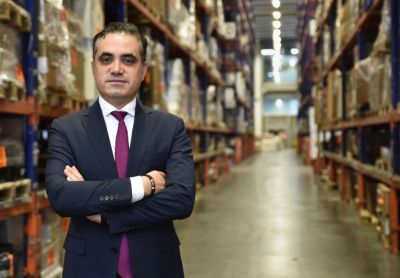
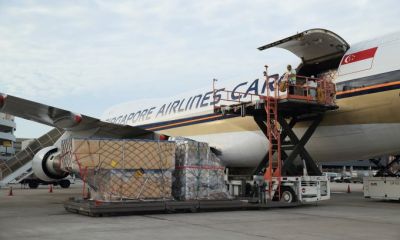
To remain profitable and create value for customers, the air freight supply chain has to effectively build on criteria such as quality, innovation, efficiency, speed, reliability with the vision to be open to all sectors and offer innovative products, services and operations that can help the industry flourish. The explosive growth of on-line shopping alone will keep the air cargo sector very healthy in 2022 and beyond, and carriers like Turkish Cargo are starting to use big data research in creative ways to increase cargo yields and introduce more velocity into shipper’s supply chains. While economies of scope are characterised by efficiencies formed by variety, economies of scale are instead characterised by volume. Economies of scale, for instance, helped Turkish Cargo maintain sustainable success within its air cargo operations conducted to all over the world. According to Fatih Ciğal, the airline’s Senior Vice President of Cargo Marketing, they continue to script success with more effective solutions by developing and using new technologies and innovative approaches. One of the significant examples of these approaches, he says will be the SmartIST, one of the biggest and most modern air cargo facilities in the world. Excerpts from an insider with Upamanyu Borah. CARGO AVIATION IN A POST-PANDEMIC WORLD Air cargo capacity has become even more valuable, since half of the world’s capacity was supplied by passenger aircraft. From the data point of view, difference between the growth rates of demand and supply kept the rates higher. In 2020, this difference was roughly 10 percentage points, but now it increased to 15 percentage points. We expect this situation to continue until mid-2022. The past years have resulted in a modal shift from sea to air, and the entire aviation industry stakeholders are taking advantage of the conveniences air mobility offers to customers. In this context, Turkish Cargo had come up with new strategies and took necessary actions during the pandemic. Our operations worldwide have provided a global air bridge via our cargo facilities at Istanbul Airport. We have been carrying time- and temperature-sensitive products such as medical supplies and other essentials to meet the needs of the market and customers with offering faster and reliable shipping across a worldwide network. Today, we boast a huge cargo fleet comprising 24 freighters further supported by belly and PaxFre flights in order to meet the increasing demand with efficiency in network management. CRISIS OFTEN SPAWNS THE BEST INTERVENTIONS THROUGH DISTORTIONS The issues, experienced currently by the air cargo industry can be listed under a few main topics. These are digitalisation, capacity, security and safety, liberalisation, sustainability and intra-industry cooperation. I consider one of the most important challenges to be digitalisation. In the last five years, the industry has been involved with virtual integrations due to digital developments. Within this framework, even Turkish Cargo has been adapting activities to the new market dynamics in terms of network and fleet. We have been enhancing the overall service and network coverage offered to customers. MAKING TECHNOLOGY WORK HARDER FOR OWNSELF The future of air cargo is based on technological developments and digital transformation, and Turkish Cargo has been attaching great importance to digitalisation which has enabled the company to overcome challenges during the pandemic and adapt operations and services. Within this framework, Turkish Cargo took good steps towards digitalisation with a WhatsApp Chatbot called ‘Cargy’ which is offering customers opportunity to learn about their AWB status and tariff inquiries based on O&D via WhatsApp with 24x7 access from their phones. One of the processes that we have been conducting and investing into is RPA technology, and therefore integrating software robots which we call metal collars into our business processes. Turkish Cargo has also enhanced services in partnership with WebCargo in order to provide a brand-new channel to customers for smoother, easier and faster reservation. Customers can book from anytime and anywhere and get fast responses to their inquiries. In this context, we have been receiving very positive feedbacks from our customers and sector partners. SEAMLESS MOVEMENT OF GOODS AND INFORMATION Being highly competitive, the air cargo industry requires innovative and digital solutions to meet the needs of customers for an enhanced speed and efficiency. Within this framework, digitalisation strategy is one of the key points to ensure digital transformation. Providing end-to-end digitalisation to cover all processes is both critical and essential. Significantly, Turkish Cargo's most recent investment in this development path is the new cargo terminal project at Istanbul Airport ‘SmartIST’ which will be offering smart warehouse systems, work orders integrated with the use of augmented reality and voice directed warehousing, unmanned ground vehicles, RPA robots, IoT and other technological advancements to propel Turkish Cargo to the future. A SHARP, RATIONAL AND CONSISTENT APPROACH TO REFORMS TO HELP THE INDUSTRY CRUISE What is significantly observable is that airlines have started to make use of their freighter fleet more actively and the orders for freighters have also increased worldwide. We are of the opinion that such solutions will provide significant contributions to the offerings around current needed capacity to the industry. Along with global warming, quest for clean energy prompts the search for alternative resources with respect to environmentally-hazardous fuels to curb carbon emissions. Investment in this field by companies will place significant burden into financials coupled with the Air Cargo Carbon Footprint (ACCF) programme implemented by IATA for the purpose of accomplishment of its projects under the sustainability heading. Revenue-decreasing factors may be encountered in the field, such as reduction of the tonnages being carried (due to fuel consumption) and modernisation of fleet due to the risks of sanctions by the regulatory and supervisory supranational organisations. Looking into such issues, companies have managed to reduce fuel costs further, in particular with the increase at the factory-fresh and younger freighter fleet during recent years. Two per cent of global carbon emissions are generated purely by aviation, given the fact that the share of aviation is lower as compared to that of maritime transportation which constitutes 4 per cent of global carbon emissions. However, air cargo is the only mode of transport within which carbon emission per shipment is the highest. All stakeholders of the air cargo industry have therefore set the foot forward to play a key role in the accomplishment of carbon emission targets they have set for themselves and subsequently for the aviation industry. ENOUGH SCOPE FOR OFFERINGS AND CAPACITY TO BLOOM AND GROW Turkish Cargo has been operating one of the world's largest airfreight networks and stands as the fastest growing air cargo brand in the world. We are proud to say that we transport 1 each 20 shipments transported worldwide and we further aim to adapt rapidly to the new market dynamics by acting proactively in order to take the right position in the industry. Turkish Cargo increased global market share to 5.4 per cent according to September 2021 data and reached 97 international destinations with cargo freighters. This means the world's largest network of cargo freighters. As we target to become one of the top three air bridges of the world, we continue to expand our network and fleet along with services offered to meet the needs of customers.