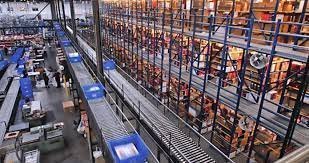
The current global pandemic has turned the retail world on its head and created huge unknowns going into the future. Accelerated adoption of e-commerce, trends like same-day or next-day delivery commitments fulfiled by 3PL companies and the need to diversify supply chains are pushing demand for warehousing and logistics services in the hot spots of consumption. Although urban logistics is at a nascent and fragmented fringe state in India now, it is on the cusp of going mainstream.
Upamanyu Borah
India’s FMCG market is set to contract by -1% to -3% this calendar year, market researcher Nielsen said in its revised estimates for the sector. This is despite an estimated 3,000 products in the health and hygiene category having been launched in the September quarter alone. The ongoing pandemic has also pushed consumers to buy goods online, a habit that is likely to stick. Keeping that in view, companies are enhancing their digital capabilities and charting out strategies to ensure their presence on e-commerce. This in turn is pushing the demand for dark stores from e-commerce players in city central locations, prompting growth of urban logistics spaces.
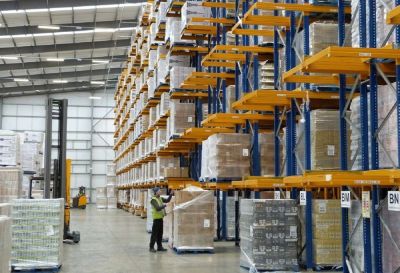
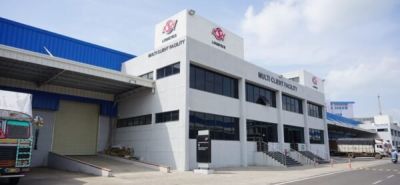
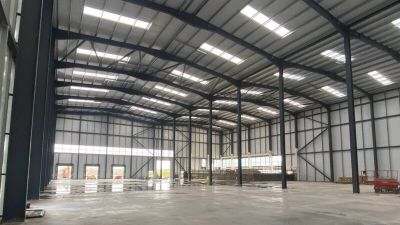
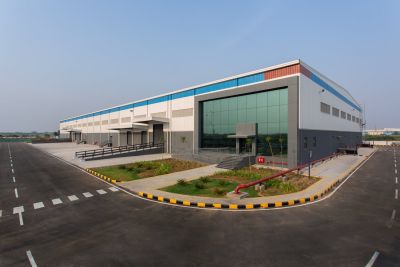
Urban logistics spaces typically serve as dark stores, cloud kitchens, sortation centres, hybrid retail stores and micro-fulfilment centres. Urban Logistics spaces are functionally in-city facilities for last-mile delivery services of goods while multi-storey warehouses are a single location facility, either in cities or on the outskirts. Today, in-city logistics spaces are coming up in varied sizes between 5,000 sq ft and 20,000 sq ft.
Dark stores can help improve customer experience by providing easier access to essential items, and the practice could pave the way for the future of retail. Dark stores are driving efficiencies, faster delivery capabilities and reducing logistics cost as these house goods used to fulfil orders placed online, for the last-mile connectivity and have the potential of saving between 10% and 30% of logistics costs. Many wholesale distribution centre businesses at present are moving towards dark store concepts in India.
Cashing in on Opportunities
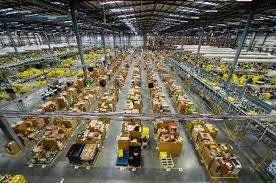
Since the lockdown began in March-end, the demand for commercial warehouse space in large cities has gone up as a breakdown in the supply of essential commodities increased the need to store daily necessities, FMCG products and electronics near major consumption centres. The rapid growth in demand for these items pushed supply chains to quickly find solutions for automation and fulfilment. A shift from retail to urban logistics is thus generating change in the demand curve for automated and sustainable spaces, encouraging e-commerce and third-party logistics players to implement micro-fulfilment technology to maximise efficiencies and optimise last-mile logistics to boost their businesses. These spaces operate primarily for e-commerce, grocery, non-grocery, retail and omni-channel players, ranging from Amazon and Flipkart to omni-channel firms such as Adidas, Pepperfry and Urban Ladder.
“Due to the pandemic, a lot of customers have shifted to online buying which has triggered the demand for more space. There is genuine demand from end users like the branded FMCG companies who want to upgrade to large tech-enabled warehouses,” said Dhruv Agarwal, Director of Kolkata-based developer Prospace Industrial Parks.
“Focus should be on the best utilisation of vertical space, along with efficiency in mechanised loading and unloading operations in warehouses.”
Urban logistics spaces in India are expected to exceed 7 million sq ft by 2022, as demand surges, property advisory JLL said it its latest report. Now, this itself underlines the importance and pace at which the segment is growing. The increasing trend of faster goods distribution and e-commerce penetration nationwide is expected to push the demand further.
According to JLL, urban logistics will help address infrastructure, community, and environmental concerns via the efficient movement and transport of goods in urban areas through last-mile storage spaces. Furthermore, the urban logistics is expected to expand significantly beyond 2022, as the increasing trend of faster goods distribution and e-commerce penetration increases nationwide.
“Urban logistics will play a more front-and-centre role in the metropolitan economies of India as consumers become more tethered to the convenience, transparency and hygiene benefits of online purchasing throughout and post-COVID,” said Radha Dhir, CEO and Country Head- India at JLL.
“The surge in e-commerce has led to increased storage space and logistic delivery capabilities, thereby giving owners and developers a clear opportunity to capitalise on the demand, which we believe will easily exceed 7 million sq ft by 2022,” the expert analyst predicted.
According to JLL, the opportunities with urban logistics in resolving SKU problems are manifold. SKUs are becoming cost-effective real-estate alternatives helping companies avoid high traffic areas in cities, serving numerous online stores simultaneously and far more variation per item at a far lower space cost.
Collaborative logistics will also result in a more sustainable urban logistics infrastructure model in India, JLL believes. Key initiatives such as vehicle load consolidation, automatic route mapping, data gathering, and analysis, will lead to fewer delivery vehicles on the road and savings on fuel and emissions.
Almost one-fourth of the total warehousing space in India has been leased by e-commerce firms such as Flipkart and Amazon in the past two years. They are further looking to scale up operations amidst growing online shopping and robust consumer demand in India and have floated lease transactions for large warehousing spaces totalling around 4 million sq ft, according to industry estimates.
Flipkart is ramping up food and grocery-specific warehousing capacity by lining up small storage spaces in metro cities.
In September this year, Flipkart launched its hyperlocal service, Flipkart Quick, which assures delivery within 90 minutes, in three more cities, taking the total to 10 cities. It plans to introduce this service to other cities and aims to be present in over 200 cities by the end of 2022.
Tie-ups with local retailers and dark stores are expected to help the company in express deliveries.
While typical lease tenures are for three years or longer, there was also a surge in short-term demand for warehouses with lease tenures of 6 –11 months, since lockdown began, indicating the need for companies to have substitute locations.
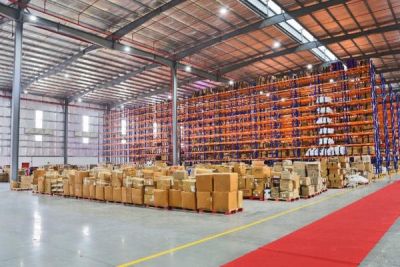
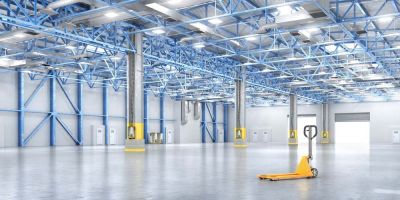
The lockdown also led to an increase in demand for premium construction quality Grade A warehouses, which offer more sq ft space and better height for vertical storage, better safety mechanisms against storms or fires, and mechanised loading and unloading operations.
At present, a balance in demand-supply dynamics is expected to support the sustenance of an increase in rental growth.
“With the increase in e-commerce over the last three years and with the potential growth of consumer essentials during the pandemic, demand is growing for space and so are the rentals,” said Agarwal.
“I feel the supply demand curve is very subjective and depends on location to location. For tier II and III cities, I feel that supply has to catch up to meet the increasing demand. The lack of quality infrastructure is also boosting the new demand for Grade A warehousing.”
“Nonetheless, properties should facilitate better safety measures against storm and fire, in a way reducing the carbon footprint for the industrial sector. Overall, the industry should focus on accessibility from all fronts and build more Grade A logistics hubs,” Agarwal stated.
So much to gain with better Infra
Urban logistics will offer unique tailor-made solutions for the transport of goods in cities by consolidating and rationalising the existing logistics platforms and creating innovative solutions for the future through the use of information and communication technologies. To tap on the growing market, we will see more infra investments by the sector and more innovations which will open gates of opportunities and enhance economic competitiveness, reduce logistics-related costs, improve air quality, create jobs, and help achieve climate goals. Most importantly, the formalisation of the warehousing industry has brought in renewed vigour and investor interest. The expected growth in demand for warehousing is likely to attract investments in this space in hopes of higher returns.
The Federation of Freight Forwarders’ Associations in India (FFFAI) held its 6th EC Meeting for the term 2021-23 on May 27 and 28 in Bengaluru. The meeting was attended by the Office Bearers and 28 Member Association representative of FFFAI from across the country, there were many issues discussed and updates provided concerning customs, CBLR, EDI, Service Tax/GST, logistics, air cargo, sea cargo, skill development,importance of social media which FFFAI has expanded recently, technology developments, etc. The special focus of the 6th EC meeting was the updates on forthcoming 24th Biennial Convention of FFFAI to be held from August 12 to 14, 2022 in Chennai with the theme LOGISTICS RESHAPE, EMBRACE AND SURGE IN THE DIGITAL ERA. At this EC meeting, FFFAI also implemented Digital Learning platform for members and next generation for e-learning. It has been decided that FFFAI would initiate FIATA eFBL here in India to benefit the trade, which empowers customs brokers, freight forwarders and logistics service providers. In addition, updates on the recently held FIATA HQ Meet was also provided by the concerned members of FFFAI. FFFAI members present at this EC meeting stressed upon enhancing productivity on ICEGATE for trade facilitation and Ease of Doing Business. The FFFAI members also urged for creating a dedicated portal for LSP integration. As regard to skill development initiatives, IIFF’s (training arm of FFFAI) past and forthcoming training programmes (both online and classroom/physical) for the entire logistics industry were presented at the EC meeting. In addition, FFFAI’s various initiatives on capacity building through technology/IT also discussed withadequate importance. Recent activities of FFFAI Women’s Wing including organising interactive meetings with Government of India officials and industry experts were highlighted at this meeting which drew huge appreciation from the members. The members committed to expand the activities of the Women’s Wing in all the 28 member association locations to empower/encourage the women logistics practitioners. At this EC meeting FFFAI has signed an MoU with the National Institute of Industrial Engineering (NITIE) with an objective of skilling the aspiring candidates looking for opportunities in the logistics sector. Notably, a special session was organised at this 6th EC Meeting where N Sivasailam, former Special Secretary (Logistics), Ministry of Commerce, Government of India was present to address the FFFAI members and highlight the recent initiatives of the government in strengthening the logistics infrastructure, thereby leading in increase of international trade through multimodal connectivity and faster cargo clearance. He projected the ambitious growth potential of the logistics industry in India with a strong collaboration between government and industry people. Also speaking on the occasion was Bani Bhattacharya, IRS, who interacted with members of FFFAI on various initiatives of CBIC for the trade facilitation without human intervention. FFFAI Chairman Shankar Shinde thanked all the 28 associations for their support and appreciated the contribution of CBIC/DG systems trade facilitation measures. FFFAI Member Associations are: 1. Ahmedabad Custom Brokers' Association2. Aurangabad Customs House Agents Association3. Association of Custom House Agents Thiruvanthapuram4. Bangalore Custom House Agents Association5. Brihnamumbai Custom Brokers Association6. Calcutta Customs House Agents Association7. Chennai Customs House Agents Association8. Cochin Customs Brokers' Association9. Coimbatore Customs House and Steamer Agents Association10. Custom Brokers Association Hyderabad11. Delhi Customs Brokers Association12. Goa Custom Brokers Association13.Indore Customs House Agents Association14. The Kakinada Customs Brokers Association15. Kandla Custom Brokers Association16. Kanpur Customs Brokers Association17. Ludhiana Customs House Agents Association18. Mangalore Customs House Agents Association19. Mundra Customs Brokers Association20. Nagpur Customs House Agents Association21. Nashik Customs House Agents Association22. Nadia Custom Brokers Association23. Pipavav Custom Brokers Association24. Pune Customs House Agents Association25. Rajasthan Customs House Agents Association26.Tuticorin Custom Brokers Association27.Visakhapatnam Cusotms Brokers' Association28.West Bengal Custom House Agents Society FFFAI welcomes Women in Logistics/Youth in Logistics to participate on FFFAI forums and also invites membership application form logistics service providers in industry as this is a big national and international forum to network.
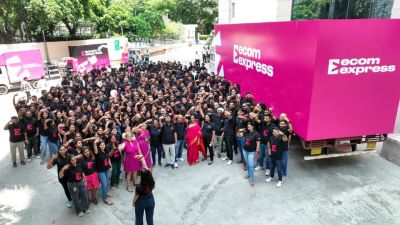
Ecom Express Limited, India’s sole pure-play B2C e-commerce logistics provider as of the Financial Year 2024, has introduced a new brand identity, underscoring its commitment to customer-centricity. This rebranding reflects a focus on addressing specific customer needs, prioritising customer-facing metrics, and integrating innovative technology across its nationwide express logistics network. The goal is to enhance speed, agility, and network reach, ensuring a customer-focused approach. The rebranding includes a dynamic logo and a refreshed visual identity, symbolising Ecom Express’s pursuit of excellence. The new logo features a forward-moving arrow within a square, representing the company’s dedication to delivery. The letter "E" in the logo stands for Expression, Innovation, and Progress, while the bold magenta colour signifies bravery, self-expression, and strength. This vibrant magenta reintroduction reflects Ecom Express's renewed commitment to customers, partners, and team members, as the company aims to simplify and democratise logistics for all. Ajay Chitkara, CEO and MD of Ecom Express, elaborated on the transformation, stating, “Our refreshed brand identity reaffirms our customer-first approach as we continue to integrate technology and innovation to provide reliable, high-speed services with the widest network reach. This transformation also underscores our commitment to our employees and delivery partners, who are essential to our business.” The new logo embodies Ecom Express’s dedication to its core values, focusing on customer welfare and fostering a diverse, inclusive environment. This rebranding signifies a promise to redefine logistics through advanced technology, making life easier for all types of customers.
The Uttar Pradesh government is set to develop a multi-modal logistics hub (MMLH) in Greater Noida’s Dadri, investing Rs 7,064 crore to support its $1 trillion economy goal. This hub will cover 823 acres, with a core development area spanning 455 acres. Key developments include commercial and administrative facilities over 17.5 acres, a rail yard, and other projects across 350 acres. Under Chief Minister Yogi Adityanath’s directives, a detailed action plan has been designed to expedite these initiatives. The Dadri MMLH aims to become a world-class freight handling facility, functioning as a dry port to ensure the swift transit of goods and raw materials. This project is poised to be India's largest logistics hub. Located on the eastern and western dedicated freight corridors, it will serve as a central hub for container handling, warehousing, cold storage, processing, de-stuffing, stuffing, and value-added packing. Providing seamless rail connectivity, the hub will feature rail platforms, customs clearance facilities, cargo segregation areas, truck parking zones, and extensive green spaces. The project is being developed under the Public-Private Partnership (PPP) model, supervised by the Greater Noida Industrial Development Authority and adhering to the guidelines of the National Industrial Corridor Development and Implementation Trust (NICDIT). The Greater Noida Industrial Development Authority has prepared the Master Detailed Project Report (DPR) for constructing the approach track and Rail Over Rail (ROR) bridge from New Dadri station to the MMLH boundary. The Dedicated Freight Corridor Corporation of India (DFCCIL) has approved the DPR for railway tracks and terminal stations within the MMLH. Additionally, the tender documentation for land acquisition and signaling processes for the approach track has been finalized. Concurrently, the development of trunk infrastructure, including boundary work, roads, canals, bridges, utility relocation, and water and power supply, is progressing through various phases.
ESR India, the largest APAC focused industrial and logistics real estate platform, has inked a Memorandum of Understanding (MoU) with the Government of Tamil Nadu for a potential investment of INR 550 crores. The MOU is signed for the launch of two industrial parks in Kancheepuram and Krishnagiri districts of the state over the next five years. Once fully operational, the two projects have the potential to create over 4,400 jobs in the facility, that shall boost the overall socio-economic growth in the region. The MoU was signed at the Investment Conclave 2021 conference held today. It will facilitate ESR India’s proposed investment at Kancheepuram and Krishnagiri industrial parks by helping in streamlining land acquisition, approvals, clearances, and administrative processes as per existing policies, rules, and regulations of the Government of Tamil Nadu. The policy and regulatory reforms unveiled in recent times has accentuated the entry of international institutional players and has set new benchmarks for industrial developments in the country. Commenting on the development, Abhijit Malkani, CEO and Country Head, ESR India said, “We are delighted to announce our affiliation with the state government. The Government of Tamil Nadu has been very supportive in encouraging industrial developments in the state by creating a favourable business climate for industrial players. The MoU will see ESR invest INR 550 crores to develop industrial parks in Tamil Nadu, offering 1,800 direct and 2,600 indirect job opportunities in the facility.” “Our goals are aligned with the vision of the Tamil Nadu government, to create avenues to increase business and trade inclusion opportunities and employment towards garnering better economic growth in the region,” he further stated. ESR India is currently present across 9 cities and 15 locations with a total GFA of 18 mn sq ft. These state-of-the-art facilities will be developed upholding the best practices for ESG and sustainability.
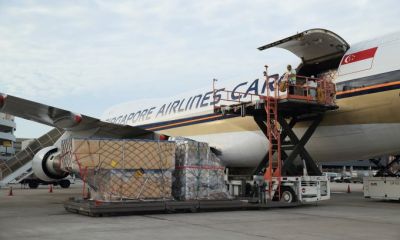
Singapore’s Changi Airport is sharpening its focus on pharmaceuticals and e-commerce shipments to navigate constrained cargo capacity until planned expansion in the 2030s. According to Lim Ching Kiat, Executive Vice President of Air Hub and Cargo Development at Changi Airport Group, current facilities face mounting pressure due to growing regional demand, necessitating strategic tenant and cargo type management. E-commerce continues to be a key growth driver for air cargo globally, fueled by major players like Shein, Temu, and TikTok Shop. At the same time, Singapore is solidifying its position as Southeast Asia’s preferred pharmaceutical hub, attracting investments from global biopharma giants such as Thermo Fisher, Sanofi, BioNTech, and MSD. Looking ahead, Changi Airport plans to launch a second logistics park by the 2030s, aiming to increase its annual cargo capacity from 3 million tons to 5.4 million tons. The new free trade zone will further expedite cargo handling and redistribution. In 2024, Changi Airport reported handling 1.99 million tons of airfreight, a 14.6% rise from 2023, driven by robust cross-border e-commerce demand, improved trade routes with China and the U.S., and recovering electronics exports. Top air cargo markets included China, Australia, the U.S., Hong Kong, and India.



Trade shows are mission-critical, high-investment events where logistics execution directly influences marketing ROI. Exhibitors spend months preparing for a few days on the floor, since a single missed delivery window can jeopardise the entire programme. In this environment, Less-Than-Truckload (LTL) trade show logistics is no longer just transportation; it is an orchestration of timing, compliance, risk control, and venue-specific expertise. While standard LTL carriers can handle general freight, elite trade show shippers excel because they are built for the ecosystem — understanding drayage, marshalling yards, target windows, live-loading rules, equipment constraints, and the high-value nature of exhibits. This updated guide unpacks the differentiators that set the best providers apart, enhanced with additional dimensions such as KPIs, risk mitigation frameworks, technology adoption, sustainability practices, and a practical vendor-evaluation checklist. The Key Differentiators of Elite Trade Show Shippers When shipping general freight, a standard LTL carrier may be sufficient. However, event logistics demand a higher level of specialised service. The top trade show shippers possess four key differentiators that distinguish them from the rest. Proactive and Specialised Support Trade shows operate on rigid move-in schedules tied to booth size, dock flow, and decorator rules. The strongest providers deploy dedicated trade show teams who can interpret show manuals, coordinate with decorators, and time deliveries to avoid re-handling fees. Best-in-class partners also: Pre-audit documentation and labels to avoid show-site rejections Manage drayage coordination to reduce dwell and material-handling charges Offer pre-receiving and staging at regional facilities for smoother Day-1 move-ins This advisory-driven model transforms logistics from a cost center into a risk-mitigation service. Flexible Coordination and Network Access Because no two events are alike, trade show logistics demand configurable access to LTL, FTL, hot-shot, air, and international capacity. Top providers match service levels, route constraints, and budget requirements by tapping into broad asset and partner networks. A sophisticated network allows for: Expedited or guaranteed-capacity moves for high-stakes shows Cost-effective options for booth materials that can stage early Lane-specific equipment (air-ride, liftgate, climate-controlled) This flexibility becomes essential during peak show seasons when capacity is tight and timelines narrow. Guaranteed Performance and Asset Protection Event deadlines are immovable. Leading providers commit to guaranteed on-time service, narrow ETA bands, and contingency planning across linehaul and last-mile execution. They also emphasise exhibit protection through: Air-ride suspension fleets Strapping, padding, and vibration-control practices Secure transport protocols for prototypes and LED/AV assets With show participation costs rising, damage and delay prevention become competitive differentiators. End-to-End Visibility and Services Real-time visibility is no longer optional. Tocay, exhibitors rely on it to make staffing, booth-build, and drayage decisions. The best LTL partners deliver: Live tracking from pickup to booth delivery API connectivity with exhibitor dashboards Pre-emptive exception alerts and delay recovery paths For international events, leading providers integrate customs documentation, Carnet handling, temporary import permits, and venue-specific rules, ensuring frictionless handoffs across borders. What Are the Best LTL Logistics Companies for Trade Shows? Several providers exemplify these differentiators. The following firms are selected based on their demonstrated strength in specialised show support, performance-oriented service design, event fluency, flexible coordination and comprehensive offerings that cover pre-show to teardown. 1. Green River Logistics Solutions A brokerage-led model with deep carrier reach, making it ideal for exhibitors with varied lane structures. Key strengths: Highly personalised coordination and single-point-of-contact support Flexible equipment sourcing — LTL, flatbed, refrigerated, heavy haul Real-time updates and precise timing for fragile builds 2. XPO Logistics A multinational leader with a controlled linehaul network and a dedicated Trade Show Desk. Key strengths: Tight schedule integrity Venue-specific coordination and dock navigation Strong performance management systems. 3. TWI Group A global exhibition logistics specialist excelling in international customs and venue compliance. Key strengths: ATA Carnet expertise and cross-border support On-site liaisons at major venues High-touch service model for global exhibitors 4. Averitt A time-definite, reliability-driven carrier focused on window compliance. Key strengths: Guaranteed performance Expertise with marshaling yards and dock appointments Rapid recovery for last-minute constraints 5. TTI Logistics A specialist for fragile and custom builds requiring maximum protection. Key strengths: Air-ride fleets and vibration-controlled handling Precision timing for target-move-ins Advanced security protocols Comparing the Top LTL Logistics Providers for Trade Shows These providers excel in different areas. This table offers a quick comparison of their key service features to help you align their strengths with your specific needs. New Strategic Enhancements Added for a Modern Exhibitor’s Playbook Technology Advancements Worth Evaluating AI-assisted ETA predictions Digital drayage coordination tools IoT-enabled condition monitoring for AV and prototype freight Automated warehouse cut-off compliance checks Risk-Mitigation Practices That Matter Pre-show risk audits Contingency rerouting plans Venue-specific compliance checklists High-value cargo insurance design Sustainability Expectations from Today’s Exhibitors Low-emission or EV linehaul and last-mile options Carbon-neutral freight programs Reusable or recyclable crating solutions Emissions dashboards linked to booth shipments Performance Metrics That Define Best-in-Class Providers On-time delivery to target windows Damage-free shipment percentage Visibility uptime SLA Drayage handoff accuracy Exception-resolution response time How to Vet Your Trade Show Logistics Partner Applying the key differentiators includes asking potential partners the right questions. When your program includes international stops, ask about their documentation process, how they manage Carnets and how visibility will work across handoffs. The following can further validate fit and execution discipline: What is your detailed experience with my venue and decorator? Can you guarantee delivery within target-window constraints? What risk-mitigation plan is activated if my freight misses staging cutoff? What specialised equipment will you use for fragile or custom exhibits? How do you integrate with drayage contractors and marshaling yards? Which visibility tools and tracking integrations are available? Can you manage international customs documentation end-to-end? What sustainability options can be applied to my show calendar? Your Partner Is Your Most Critical Exhibit A logistics provider is more than a freight handler; they are the enabler of your presence on the show floor. The right LTL partner combines timing discipline, technical fluency, equipment strength, and venue intelligence to protect your brand and maximise your event ROI. Elite trade show shippers don’t just move freight; they orchestrate flawless show execution.
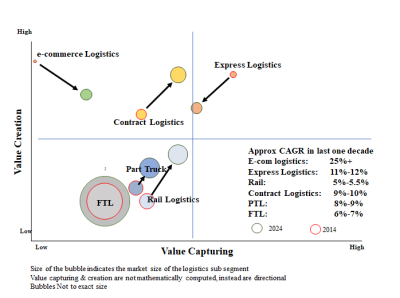
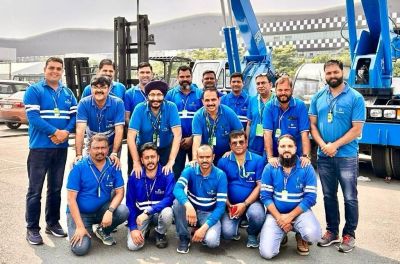


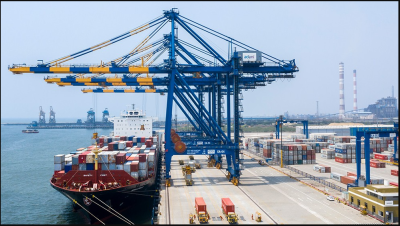
The expansion of Dammam Port in Saudi Arabia has taken a significant step towards strengthening trade relations between India and the Gulf region. The enhanced infrastructure and capacity of the port are set to benefit businesses and industries on both sides, facilitating smoother trade and commerce. The expansion of Dammam Port opens up new opportunities for Indian businesses to engage in import and export activities with the Gulf nations. It also serves as a strategic gateway for goods traveling to and from India, further improving the logistics and transportation landscape for businesses. The project showcases the commitment of both India and Saudi Arabia to enhance economic ties and boost bilateral trade. The increased port capacity will help meet the growing demand for trade between the two regions, ultimately contributing to the economic growth and prosperity of both nations.

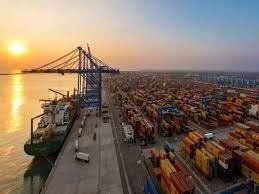
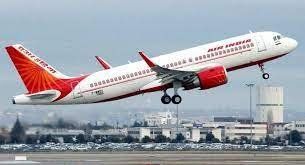
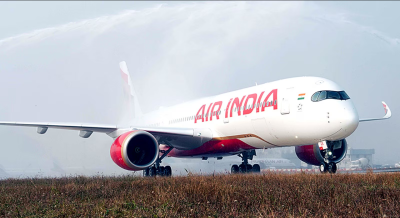
Air India is setting its sights on a promising future as the exclusive carrier for TATA's iPhone exports. This strategic partnership between the renowned Indian airline and the tech giant TATA promises to boost India's manufacturing and export capabilities. The collaboration will enable Air India to become the sole carrier for TATA's iPhone exports, facilitating the efficient transport of these popular devices to international markets. With a reputation for reliability and global reach, Air India is poised to play a crucial role in TATA's supply chain. The move not only strengthens the relationship between two major Indian companies but also underlines India's growing importance in the global technology and manufacturing sectors. Air India's role as the exclusive carrier for iPhone exports is expected to generate significant revenue for the airline and enhance India's position as a hub for high-tech exports.